

By Mychael Parker
Spotting early signs of stress in your trees can save you a fortune on property damage and keep your family safe. Property owners throughout Prescott, Prescott Valley, Chino Valley, and the surrounding areas count on us for quick identification of tree distress to keep their landscapes looking great and prevent potential hazards. This guide will walk you through why catching problems early is so important, the vital role of tree experts, the seven critical warning signs your trees might be showing, when it’s time to call in the pros, how professional services tackle each issue, common local diseases and pests, and the best ways to keep your trees healthy year-round.
Catching tree problems early stops minor issues from snowballing into major hazards that could endanger your home, utilities, or loved ones. Recognizing symptoms like brittle branches or trunk decay means we can step in with timely pruning or bracing, preserving the tree’s structural soundness. Addressing disease or pest outbreaks at the first sign can prevent them from spreading to nearby plants and slash treatment costs by up to 60 percent. Plus, keeping an eye on your trees’ health proactively boosts your property’s curb appeal and can even increase its value by as much as 20%, making regular check-ups a smart investment in both safety & aesthetics.
Ignoring subtle cues—like sparse leaves or small cracks—allows decay to take hold, eventually leading to branches breaking off or the entire tree falling. Fallen limbs can wreak havoc on roofs, cars, fences, and power lines, leading to expensive repairs. Trees that look uncared for also drag down your property’s overall appeal, potentially deterring buyers and lowering its market value. On the flip side, well-maintained trees signal a property that’s looked after and secure, giving potential buyers peace of mind and boosting resale potential.
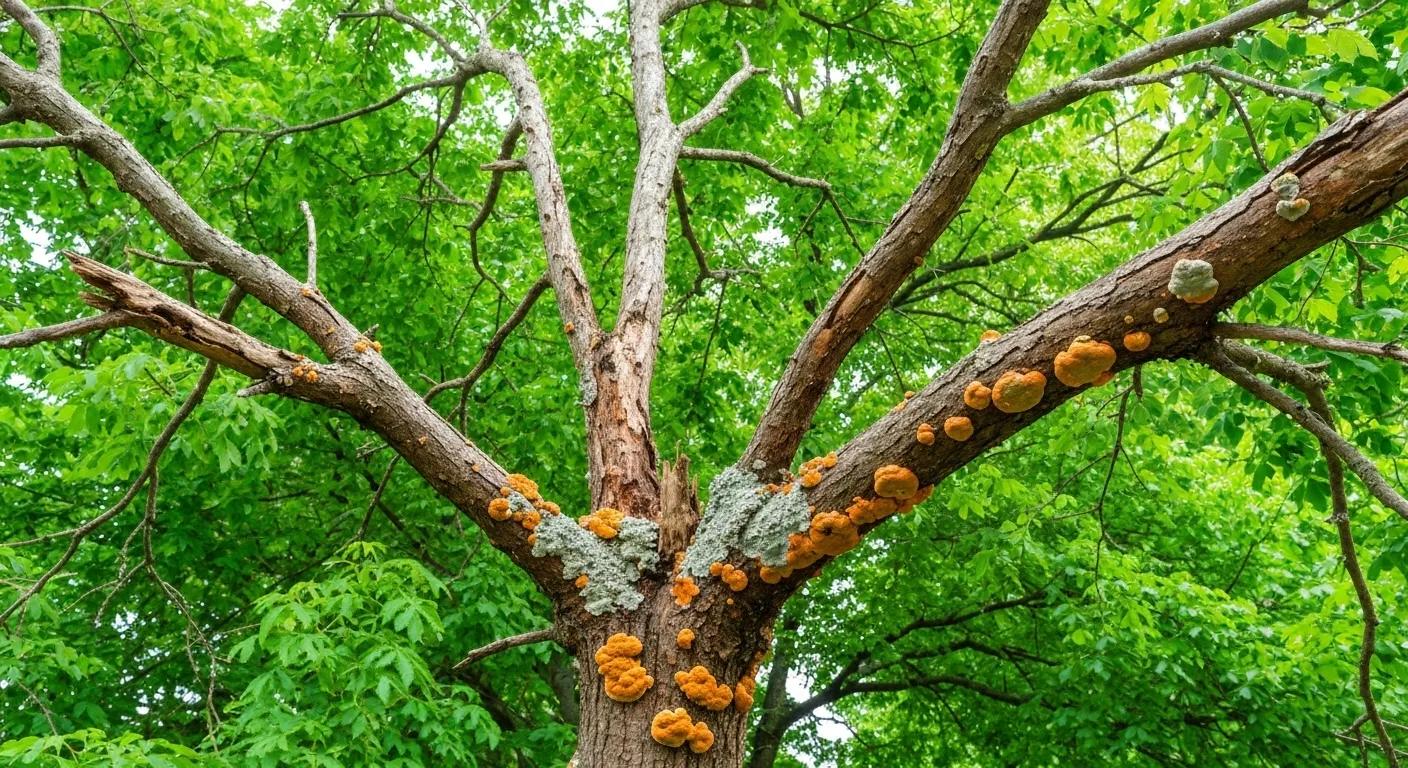
Knowing the seven key signs of tree distress empowers you to take action before problems escalate. Here’s a quick rundown of each warning sign, what it looks like, and what our experts recommend.
| Warning Sign | Key Indicator | Recommended Response |
|---|---|---|
| Dead, Dying, or Brittle Branches | Branches snap easily and fail to leaf out | Professional pruning or removal |
| Visible Fungal Growth or Decay | Mushrooms, conks, or rot at the base or trunk | Arborist decay assessment and treatment |
| Cracks, Splits, or Cavities | Deep fissures, hollowed sections of the trunk | Bracing, cabling, or safe removal |
| Sudden Leaning or Instability | Trunk tilting, root plate lifting from the ground | Emergency stabilization or removal |
| Sparse, Discolored, or Dropping Leaves | Yellowing, browning, or premature leaf drop | Disease diagnosis and foliar care |
| Pest Infestations | Visible insects, bore holes, or sawdust-like frass | Integrated pest management |
| Exposed or Damaged Roots | Uprooted, severed, or rotting roots | Root repair, soil aeration, fertilization |
While each warning sign calls for a specific approach, they all point to one crucial solution: getting a professional evaluation right away.
When branches are dead, dying, or brittle, it’s a clear sign that the tree’s internal systems for transporting water and nutrients are failing, preventing them from reaching those outer limbs.
These issues create a serious safety risk, as falling limbs can harm people or damage property. Our professional. Our professionals use ur professionals use precise pruning techniques to remove compromised wood, restore the canopy’s balance, and prevent further decay, all while keeping the tree healthy and vibrant.se precise pruning techniques to remove compromised wood, restore the canopy’s balance, and prevent further decay, all while keeping the tree healthy and vibrant.
The appearance of mushrooms or conks on a tree’s trunk or near its base is a tell-tale sign of internal rot or decay in the roots, caused by wood-degrading fungi.
This internal decay significantly weakens the tree’s structure, making it prone to sudden failure.
Deep vertical cracks, horizontal splits, or hollowed-out sections in the trunk mean the tree’s internal structural tissues have been compromised, making it much more likely to break under the stress of wind or heavy loads.
If left untreated, these weaknesses can worsen, leading to catastrophic breakage. Solutions often involve installing structural cables or braces to reinforce the trunk and redistribute stress, or safely removing the tree if the damage is too severe for intervention.
When a tree that was once standing straight suddenly starts to lean, it’s often a sign of root plate failure or significant soil erosion around its base.
Unstable trees pose an immediate threat to nearby buildings, power lines, and people. Emergency interventions might include reinforcing the roots, stabilizing the soil, or, if necessary, removing the tree entirely when stabilization isn’t a viable option.
A thinning canopy, leaves turning yellow or brown, and dropping leaves much earlier than usual are all indicators of underlying stress, which could be due to disease, pests, or nutrient deficiencies.
These leaf symptoms often precede branches dying off. Professional diagnosis involves soil testing, analyzing leaf tissue samples, and applying targeted treatments like foliar sprays or soil amendments to restore the tree’s health.
Signs of pest infestations include tiny bore holes in the bark, sawdust-like material (frass) at the tree’s base, webbing in the leaves, or visible insects crawling on the leaves and stems.
In Yavapai County, common troublemakers include bark beetles, spider mites, and scale insects. Our integrated pest management strategies combine natural predators, horticultural oils, and targeted insecticides to eliminate infestations and prevent future damage.
Bark beetles, aphids, and spider mites are common pests found in Arizona that can inflict significant damage on trees. Bark beetles burrow into the bark, aphids feed on plant sap, and spider mites thrive in dry conditions.
Identifying these pests is crucial for protecting your trees from harm.
When tree roots are exposed or damaged, the tree’s ability to anchor itself and absorb nutrients is compromised, leading to instability and a general decline in health.
Root damage often goes unnoticed until canopy symptoms become apparent. Our tree care experts can help by restoring soil volume, applying deep-root fertilization, and installing root barriers to protect the critical root zone and encourage nutrient flow.
Look out for large dead branches hanging over buildings, advanced fungal decay at the base or inside trunk cavities, worsening cracks in the trunk, a severe lean towards nearby structures, or a widespread thinning of the tree’s canopy. These situations demand expert assessment to determine the safest and most effective course of action.
Tree experts who work locally in Yavapai County are intimately familiar with the region’s challenging climate, the specific vulnerabilities of native tree species, and the common pests and diseases that affect them. Their knowledge of trees like Mesquite, Juniper, Pine, and Ash, along with regional issues such as powdery mildew and Seiridium canker, allows for precise diagnoses and customized treatments that work with the local environment.
Certified tree experts serving Yavapai County offer a full range of tree care services, including trimming, disease treatment, and pest management. They possess the expertise to evaluate tree health and implement customized treatment plans.
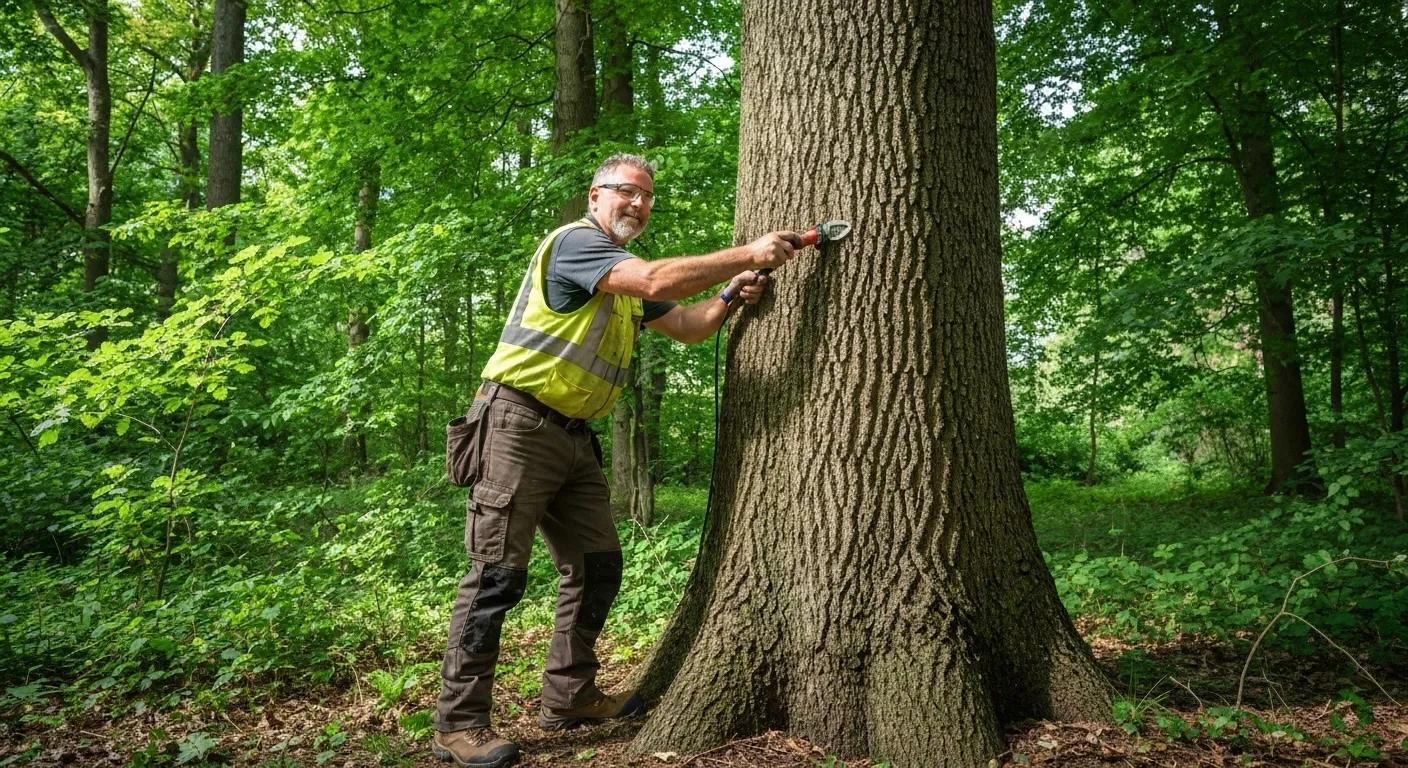
Our professional tree care services employ a strategic mix of precise pruning, structural reinforcement, disease control, and rapid emergency response to restore your trees’ health and ensure safety.
Techniques like selective crown reduction, thinning cuts, and removing deadwood help improve air circulation, lighten the load on weak limbs, and prevent future breakage. Directional pruning guides branch growth away from structures, while rejuvenation pruning revitalizes overgrown or neglected trees.
Tree removal becomes the necessary option when structural weaknesses, extensive decay, or root plate failure create an immediate risk that can’t be managed through pruning or cabling. Removing hazardous trees eliminates the danger of collapse, & stump grinding clears the area for new planting or construction.
Targeted treatments, including systemic fungicides, beneficial nematodes, or introducing natural predators, effectively combat specific diseases and insects before they cause irreparable harm. Regular inspections and preventative treatments also create a protective shield for vulnerable trees during peak pest seasons.
Our emergency services include quickly stabilizing leaning trees with guy wires, promptly removing fallen or uprooted trees, and safely dismantling high-risk branches.
Understanding the specific diseases and pests common in our area helps you spot symptoms faster and choose the right treatments. Here are the most significant issues to keep an eye out for.
Disease Overview
| Disease | Common Symptom | Recommended Treatment |
|---|---|---|
| Phytophthora Root Rot | Wilting leaves, roots oozing fluid | Fungicide soil drench |
| Canker Disease | Sunken lesions on the bark | Prune out cankers, apply fungicide |
| Powdery Mildew | White, powdery coating on leaves | Horticultural oil sprays |
| Seiridium Canker | Sunken, discolored areas on bark | Remove infected tissue |
Texas root rot, sooty canker, and fire blight are common tree diseases found in the Phoenix area. These diseases can cause significant damage and even lead to tree death.
Diseases like powdery mildew and anthracnose can cause leaf spots and premature leaf drop, while canker diseases result in sunken lesions and cracked bark. Root-rot pathogens, such as Phytophthora species, lead to a general decline and yellowing of the leaves. Identifying these early allows for treatments like targeted fungicide applications or pruning infected branches.
Pest Overview
| Pest | Damage Indicator | Control Method |
|---|---|---|
| Bark Beetles | Small boreholes, sawdust-like frass | Systemic insecticides |
| Aphids | Sticky honeydew, sooty mold growth | Horticultural oils |
| Pinion Needle Scale | Yellowing needles, small scale bumps | Beneficial insects, oils |
| Spider Mites | Fine webbing, stippled appearance on leaves | Miticide sprays |
Pests can quickly weaken trees and spread to neighboring plants, making integrated management strategies essential.
Bark beetles tunnel into the phloem layers, leading to branch dieback and girdling of the trunk. Aphids, which feed on sap, excrete honeydew that encourages sooty mold, hindering photosynthesis. Scale insects and spider mites pierce plant cells, causing needles to drop on conifers. Professional pest control services can treat infested trees to prevent recurrence.
Consistent maintenance and vigilant monitoring help cultivate resilient landscapes that are better equipped to fend off disease and structural problems.
Regular inspections by a certified arborist can catch developing issues—like minor cracks or the very first signs of fungal growth—long before they become serious threats. Scheduled health assessments also allow for timely interventions, saving you money on costly emergency services.
Deep root fertilization delivers essential nutrients directly to the tree’s feeding roots, boosting its ability to withstand drought and promoting vigorous canopy growth. Soil aeration helps alleviate compaction, improves water penetration, and encourages beneficial microbial activity crucial for nutrient cycling and disease resistance.
Following these seasonal tasks helps maintain tree health through Prescott’s extreme temperature fluctuations and unpredictable rainfall patterns.
Proper watering, pruning, and mulching are vital for keeping trees healthy in Arizona’s climate. It’s recommended to water deeply, prune in late winter or early spring, and use organic mulch.
These practices help trees better withstand the challenges posed by the Arizona climate.
Extensive deadwood, significant thinning of the canopy, deep trunk cracks, and the presence of fungal conks are strong indicators of advanced decline. Safety concerns, especially when the tree is near structures or utilities, often make removal the necessary choice if corrective treatments can’t restore stability.
Root rot typically shows up as wilting leaves even when the tree is watered, fungal growths at the base of the trunk, soft or discolored roots, and a general loss of vigor. Prompt diagnosis & improving soil drainage are key to stopping its progression.
Trimming is a safe option when problems are localized and can be fixed with pruning, cabling, or bracing. Removal is advisable when decay or structural issues affect more than a third of the trunk’s circumference, or when the root system is too compromised to support the tree’s rehabilitation.
Look for tiny holes and frass on the bark, sticky honeydew under the leaves, fine webbing, or clusters of insects on the undersides of leaves. Catching infestations early allows for less invasive treatments and prevents widespread damage.
signs you need tree trimming services, exploding tree risk, signs my backyard tree needs professional care