
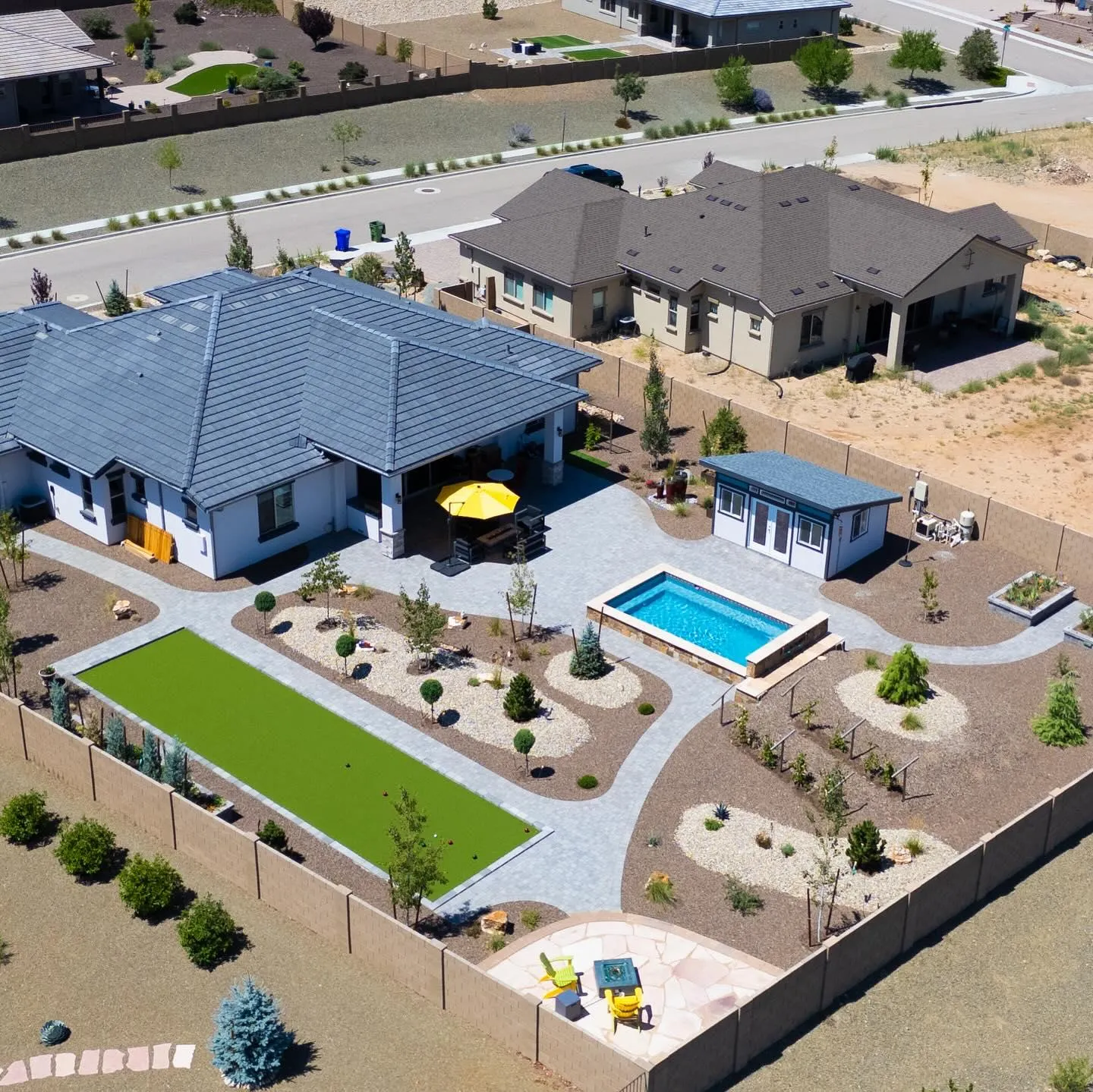
Materials and craftsmanship decide a project’s outcome. At Yavapai Landscaping, we prioritise skilled craft and deliberate material choices. This article explains our processes and standards and how they create sustainable, attractive outdoor spaces. You’ll see the selection criteria, the techniques we use, and how we integrate fire safety and water conservation. Knowing these points makes Yavapai’s value clear. We combine technical knowledge with client collaboration to tailor each design to lifestyle, site conditions, and long‑term maintenance preferences.
We treat each job as a balance of form, function, and longevity. We choose durable materials suited to Prescott, Prescott Valley, Chino Valley, and greater Arizona and use installation methods that cut maintenance and extend service life. Our practical approach uses proven products, checks compatibility with local soils and microclimates, and enforces craftsmanship standards to reduce future repairs. We design for people too — prioritising comfort, accessibility and visual appeal while protecting property and the environment. Where relevant, we also plan for permits, seasonal constraints, and coordination with other trades to keep projects on schedule.
We use a clear process to pick materials that meet strict quality and sustainability standards. We assess durability, appearance, and environmental impact so materials enhance beauty and longevity while limiting ecological harm. Our team documents options and explains how each choice performs over time so clients can make informed decisions without wading through product jargon.
We begin with performance needs: freeze‑thaw durability, UV resistance, colour stability, slip resistance for walkways, and compatibility with irrigation and drainage. We check manufacturer warranties, maintenance needs, and how materials age. A site‑specific assessment — sun exposure, drainage, soil type, and typical wind loads — lets us match stone, pavers, mulch, and structural materials to each property rather than use one‑size‑fits‑all solutions. When unusual site conditions appear, we test approaches in mockups or on small trial sections to confirm long‑term behaviour.
We document material choices in project specifications with installation details, required subgrades, and recommended sealants or finishes. Clients receive this documentation so they understand product benefits and lifecycle expectations. When alternatives exist, we present clear trade‑offs in cost, maintenance, and longevity so you can choose the option that best matches your priorities. We also provide sample boards and maintenance schedules to set realistic expectations for appearance changes and upkeep over time.
Quality means durable, attractive, and sustainable. We choose materials that withstand Arizona’s climate and blend with the surroundings. We favour recyclable, renewable, or low‑carbon options where they meet performance needs. A focus on tactile qualities, colour permanence, and detailing ensures finished spaces feel intentional and age gracefully.
Sustainability looks beyond upfront cost. We consider embodied energy, recyclability, local availability and maintenance intensity. For plant materials, we assess water needs, root behaviour, and pest resilience. For hardscaping, we assess heat performance, runoff effects, and contributions to urban heat island impacts. Where feasible, we specify recycled aggregates, locally quarried stone, and permeable surfacing to reduce runoff and support groundwater recharge. Lifecycle cost and maintenance frequency are weighed alongside environmental metrics to arrive at balanced recommendations.
We source locally and regionally to support the community and cut transport emissions. Working with nearby suppliers enables us to source high‑quality products that reflect Arizona’s natural character and enhance each design. Local sourcing also helps with rapid replacement parts and consistent colour matching for phased projects.
Local sourcing includes regional nurseries for native and adapted plant stock, stone yards for Arizona quarried rock and aggregates, and local fabricators for custom metalwork or timber components. Using nearby suppliers shortens lead times, simplifies logistics, and often yields materials naturally suited to the local palette. If a specified item isn’t available locally, we document why and find alternatives that preserve look and performance while minimising transport impacts. Supplier vetting and periodic quality audits help ensure consistency and traceability for larger installations.
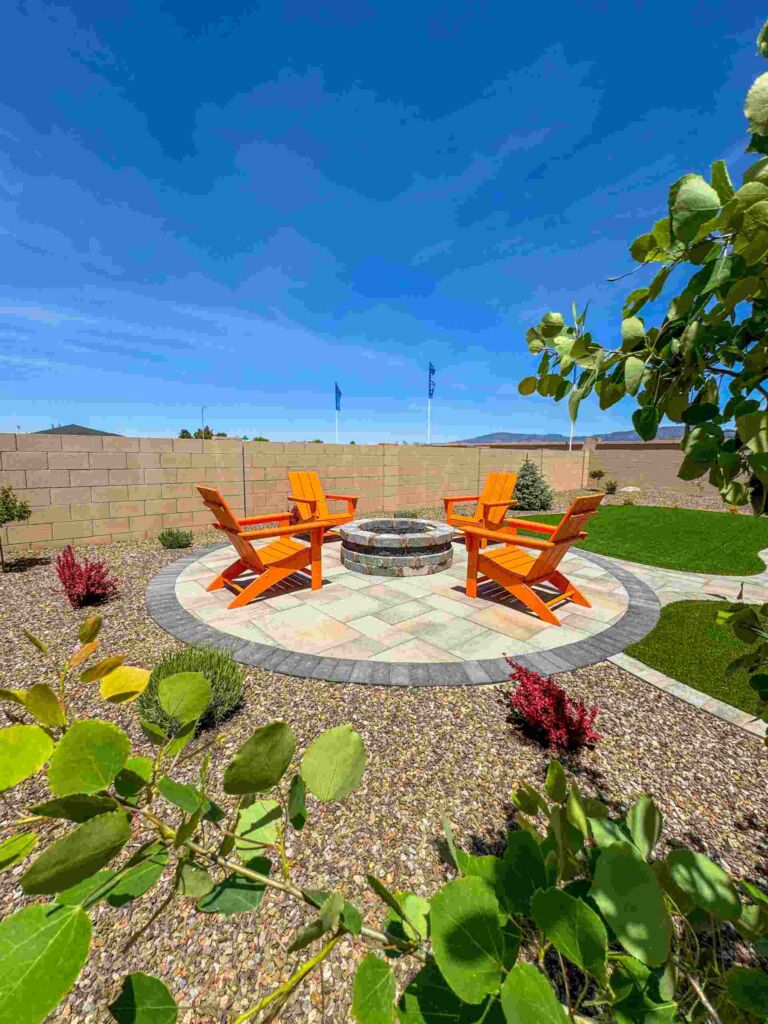
Craftsmanship drives our work. Skilled artisans use trained techniques to deliver precise, structurally sound results. You’ll see their attention to detail in every finished project. Our crews practise methods that preserve material integrity and reduce callbacks, which, in turn, improve lifecycle performance and client satisfaction.
We maintain written workmanship standards covering grading tolerances, compacted subbase requirements, backfill compaction, jointing compounds and planting‑hole preparation. Crew members learn these standards in onboarding and regular field reviews. Supervisors spot‑check compliance and coach techniques like dry‑stack stone setting, correct geotextile use and proper root handling for transplants. These standards are updated as new best practices emerge or as local code changes require different approaches.
Tool choice matters. We invest in sharp cutting tools, laser levels, and compactors sized for both small and large installations, so work meets specification with minimal rework. That investment reduces delays, improves accuracy and enhances the final appearance of hardscapes and planted areas. We also prioritise proper safety equipment, regular tool maintenance, and calibration of measuring devices to sustain consistent results across crews.
You’ll see our craft in precise stonework, considered plant layouts, and premium materials. We blend modern tools with proven methods to build spaces that are functional and beautiful. Attention to sequence — grading before hardscaping, irrigation before planting — prevents rework and protects plant health.
Techniques include correct excavation depths and slopes for drainage, mortar and jointing practices for retaining walls and steps, and soil layering to establish healthy planting environments. For planted areas, we amend soils based on tests, place irrigation lines to deliver water to root zones, and install edging to protect the lawn and planting boundaries. For hardscape, we ensure proper bedding sand, interlock patterns, and edge restraints to prevent shifting over time. Seasonal timing and erosion control during construction are also part of our technique set to protect newly installed landscapes while they establish.
Good craftsmanship boosts both appearance and longevity. Well‑built designs resist wear and stay functional for years, delivering better long‑term value. A well‑executed finish reduces maintenance costs and preserves material warranties.
Poor installation can negate high‑quality materials; careful installation can extend the life of economical products. Small details — consistent mortar joints, correct planting depths, neat irrigation terminations — create a finished product that looks deliberate and performs as expected. We also design with maintenance in mind, choosing details that make routine care straightforward and avoid components prone to early failure. Our warranty, inspection, and follow‑up processes reinforce workmanship standards after handover.
Fire safety is vital in wildfire‑prone areas like Prescott, Prescott Valley, and Chino Valley. We use fire‑resistant materials and strategic layouts to protect properties while keeping them attractive. Our designs aim to reduce ignition potential and create defensible zones that are also usable outdoor areas for clients.
Design begins with defensible space per local guidance, non‑combustible ground coverings near structures, and lower‑flammable species closest to the home. We map likely ember pathways and create buffer zones with hardscape such as gravel beds, stone patios, and concrete walkways. These hardscapes separate vegetation from vulnerable walls and roofs while providing usable outdoor living areas. We also coordinate designs with local fire authorities or homeowners’ associations when required to ensure compliance with current recommendations.
Research emphasises the critical role of defensible space in reducing wildfire risk to properties.
Wildfire-Resistant Garden Design & Defensible Space
Establishing defensible space around homes in wildland‑urban and rural interfaces reduces the risk of house loss and provides a safer area for residents and firefighters to defend a property from wildfire. Although defensible space is well established in fire management, it has seen limited scientific discussion. This review examined guidelines on creating defensible space from Africa, Europe, North America, South America and Oceania, and developed a conceptual model framed around recommended approaches to mitigate fire attack mechanisms by addressing fuel types, amounts and spatial distribution.
Garden design can reduce wildfire risk and promote more sustainable coexistence with wildfire, S Ondei, 2024
We specify fire‑resistant materials such as stone and concrete and select plant species less likely to ignite. These elements form defensible spaces with buffer zones and non‑combustible hardscape. Specifying finishes and maintaining clearances reduces long‑term fire risk and simplifies maintenance.
In practice, that means masonry or stone veneer at critical junctions, metal or treated timber for exposed structural elements when needed, and gravel or decomposed granite belts beside foundations. Plant choices favour species with high moisture content, low resin or oil content, and minimal dry litter. For trees, we set spacing and canopy lifts to reduce crown fire potential and allow emergency access when required. Scheduled maintenance — pruning, clearing leaf litter and fuel reduction — is part of the program to keep defensible areas effective after installation.
Fire safety directs material choices and layout. We pick heat‑resistant products and design to minimise fire pathways, giving you tangible protection and peace of mind. Balancing aesthetics and safety ensures protective measures are integrated as useful landscape features.
Safety‑driven decisions can change material placement, pathway routing and plant palettes. For example, turf close to a house might become a low‑maintenance, non‑combustible patio or an irrigated planting that maintains higher moisture levels. Where possible, we design multi‑use hardscape buffers that serve both recreation and protection, so safety measures feel like amenities rather than constraints. We also note maintenance responsibilities in handover documents so homeowners know how to preserve protective measures over time.
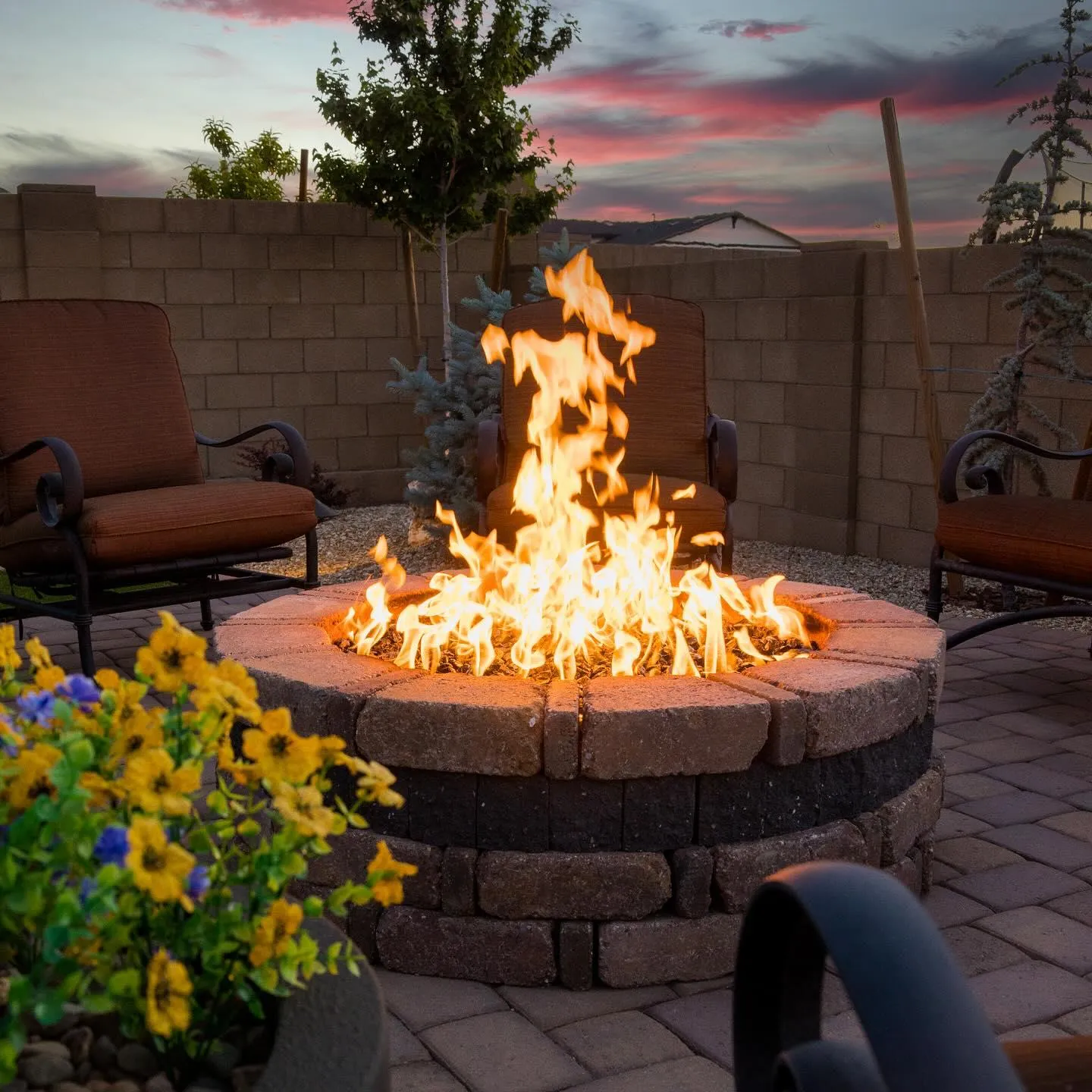
Water conservation matters in arid Arizona. We use strategies that improve water efficiency so landscapes remain sustainable and environmentally responsible. Efficient water use is integral to resilient landscapes that thrive with lower inputs.
We implement conservation through plant selection, irrigation design, and soil management. We group plants by water needs into hydrozones to tailor irrigation schedules, and we specify mulch and soil amendments to boost moisture retention. The result is a landscape that needs less frequent irrigation while staying healthy and attractive. Seasonal irrigation adjustments and establishment schedules are provided so new plantings receive appropriate care during critical early growth phases.
We prioritise drought‑tolerant and native plants and water‑efficient materials to cut irrigation needs and help landscapes thrive with less water. Choosing plants adapted to the region lowers long‑term water demand and reduces maintenance interventions.
Preferred plants are adapted to low precipitation and local temperature ranges and typically require less supplemental irrigation after an establishment period. For hardscape, we favour permeable surfaces where appropriate to promote infiltration and reduce runoff. Mulches and organic soil amendments are specified to improve moisture retention and reduce evaporative loss from the soil surface. When requested, we can design rain‑capture features and storage that supply irrigation for non‑potable uses while respecting local code.
Smart irrigation monitors soil moisture and adjusts schedules to cut waste and support healthier plants. Integrating smart controls ensures irrigation responds to actual conditions rather than fixed clock schedules.
We combine controllers with weather‑based adjustments, soil moisture sensors, and pressure regulation to match delivery with plant needs. Drip irrigation serves shrubs and beds to deliver water to root zones; rotors and efficient sprays are used on turf when needed. During installation, we zone systems so each hydrozone gets the right volume and duration, which reduces overspray and minimises competition between species with different needs. Remote monitoring and scheduled maintenance checks help sustain system performance and detect leaks or pressure issues early.
Yavapai Landscaping offers substantial insights into the unique local conditions of Arizona’s diverse microclimates and terrain, which deeply influence material choices and landscape design. Beyond standard criteria, we explore novel perspectives that integrate emerging ecological research and innovative material applications tailored to the region.
For example, we consider the subtle variations in soil mineral content and its impact on plant health and irrigation efficiency, adopting adaptive soil amendment strategies that go beyond conventional practices. We also evaluate the thermal mass properties of locally sourced stones not only for durability but for their role in moderating microclimate temperatures within outdoor living spaces, enhancing comfort and reducing energy use.
Our approach includes experimenting with hybrid plant palettes that combine native species with drought-tolerant exotics selected for their complementary water use patterns and pest resistance, fostering resilient ecosystems that require less intervention. We also integrate reclaimed and recycled materials innovatively, such as using crushed concrete aggregates in permeable pavements that support groundwater recharge while reducing embodied carbon footprints.
These novel perspectives reflect a commitment to pushing beyond traditional landscaping norms, ensuring that each project not only meets immediate functional and aesthetic goals but also contributes to long-term environmental stewardship and community well-being.
We enforce strict quality‑assurance standards and inspections on every project. That commitment shows in our client satisfaction and local reputation. Our QA process reduces surprises and documents that work completed meets the agreed scope.
Quality assurance starts with clear project documentation: drawings, material specifications, and acceptance criteria for each construction phase. During construction, we use inspection checklists for earthwork, drainage, hardscape, irrigation, planting, and final cleanup. Each checklist records supervisor sign‑offs and any corrections required. Final walkthroughs with clients verify proposal and contract items, and we provide care instructions and a maintenance plan at handover. Photographic records and punch lists accompany handovers, providing clients with a clear reference for warranty or scheduled maintenance items.
We follow clear standards and inspect work at key stages to meet quality benchmarks. Regular checks help us deliver results that meet or exceed expectations. This staged approach prevents small issues from becoming costly repairs later and ensures installation quality persists through season changes.
Inspections verify grading and drainage slopes before placing hardscape, confirm compacted subgrade densities where structural paving is installed, check irrigation zone coverage and pressure, and confirm planting depths and root orientation for trees and shrubs. These inspections are logged, and deviations are corrected before moving to the next phase, preventing small issues from becoming costly repairs later. For larger civil elements, we may incorporate third‑party testing or compaction reports to meet structural requirements.
Customer testimonials reflect our service quality. Our satisfaction rating is about 4.7 out of 5 across local review platforms. Clients praise our attention to detail, professionalism and commitment to high‑quality landscaping. We track feedback to identify patterns and opportunities for improvement.
Testimonials often note timely communication, clean sites and how completed projects boost property usability and curb appeal. We treat this feedback as both validation and practical input; recurring themes help us refine scheduling, material choices and proposal clarity so each new project benefits from past lessons. Case studies and before‑and‑after photos help prospective clients visualise likely outcomes for similar properties.
We design custom outdoor living spaces tailored to your needs. These spaces improve how you use and enjoy your outdoor areas. Our designs integrate functionality with aesthetics so outdoor rooms feel complete and comfortable.
Custom projects range from intimate patio courtyards to multi‑area backyard plans with seating, dining, cooking and play zones. Regardless of scale, we design to the site — sun orientation, views, access and circulation — and integrate practical elements like storage, lighting and year‑round comfort so the space feels complete and is ready for use from day one. We also advise on durable materials for high‑use features so that entertaining areas retain their appearance with minimal upkeep.
Materials and craftsmanship are chosen for Arizona’s climate and terrain so outdoor living spaces remain durable and attractive under local conditions. Material selection considers thermal behaviour, UV exposure, and dust resistance to reduce premature fading and surface degradation.
On sloped sites, we use terracing, retaining walls, and proper drainage to create stable, usable terraces and prevent erosion. On flat sites, we consider microclimates — shady corners, wind corridors, and heat islands — and select materials and plants that perform in those conditions. Finishes and colours are chosen to minimise glare and heat absorption where appropriate, and hardscape textures are selected for safe traction during wet periods. We balance aesthetic aims with constructability to ensure the design is buildable and serviceable over time.
Recent Prescott, Prescott Valley, and Chino Valley projects — patios, gardens, and more — show our ability to blend function with beauty. Client feedback on these jobs has been positive and reinforces our reputation for quality. We regularly document lessons learned from each project to improve future estimates and schedules.
Examples include full backyard renovations that replaced inefficient turf with zoned plantings and multifunctional paver patios, front‑yard makeovers that improved curb appeal while reducing water use, and courtyard installs that emphasise privacy and low maintenance. In each case, we matched design and scope to client priorities and coordinated permitting, scheduling, and installation to minimise disruption. Post‑installation follow-ups helped ensure plant establishment and client satisfaction through the first seasonal cycle.
Requesting quotes and consultations is simple. We offer a straightforward process to explore options for your outdoor space. Clear steps and transparent documentation make budgeting and scheduling easier for homeowners and commercial clients alike.
Clients can request an initial consultation by phone, email or through our website. During first contact, we gather basic property information, desired outcomes, approximate budget, and timing. When appropriate, we schedule a site visit to measure the property, evaluate conditions, and identify constraints such as utilities, drainage issues, or homeowners’ association rules. After the visit we provide a written proposal outlining scope, materials, timeline and budget ranges. We also discuss deposit schedules and payment milestones to avoid surprises once construction begins.
Project planning in Prescott starts with a consultation to discuss your vision and property. We then deliver a detailed proposal outlining scope, materials and estimated costs. Collaborative design sessions allow clients to see material samples and adjust priorities before construction commences.
After you approve the proposal, we prepare a more detailed plan with concept sketches, material samples, and a phased schedule if needed. We review and adjust the plan with you, then coordinate procurement and construction scheduling. Throughout construction, we maintain regular communication and provide progress updates so you can approve selections and modifications as the project advances. Where permits are required, we assist with documentation and submission to streamline approvals.
Direct customer service keeps communication clear between you and our team. That makes it easier to adjust during the project so the final result matches your vision. Responsiveness reduces delays and keeps decision points timely.
We assign a project manager as your single point of contact for scheduling, change requests and quality review. That simplifies decision‑making and lets us address concerns quickly. After completion, we provide care instructions and offer follow‑up visits or seasonal maintenance to ensure the landscape establishes and continues to look its best. Customers appreciate the single‑contact approach because it reduces confusion and accelerates problem resolution.
Sustainable landscaping is evolving toward greater environmental responsibility and resource efficiency. We track these trends and apply those that add clear client value. Practical adoption of trends is guided by local climate and long‑term performance data.
Trends we monitor include wider use of permeable paving to increase infiltration, broader adoption of smart irrigation controllers, rising interest in edible landscaping and food‑bearing native plants, and creative reuse of materials like reclaimed wood or recycled concrete aggregate. We test each trend for local practicality and integrate those that deliver durability, lower maintenance or ecological benefit. Stormwater capture and low‑impact site design principles are also considered when they fit client priorities and site constraints.
We adopt innovations — recycled materials, advanced irrigation tech and eco‑friendly practices — to boost sustainability and keep our services effective and reliable. We balance early adoption with proven performance to avoid unnecessary risk for clients.
When we consider a new material or technique, we pilot it in controlled situations, review manufacturer data and independent evaluations, and track field performance over time before broader use. We stay in touch with suppliers, attend demos when available, and collaborate with local professionals to share lessons. This measured approach ensures new methods add value without increasing client risk. Where useful, we document pilot outcomes so clients understand benefits and any additional maintenance considerations.
Local regulations shape fire safety and water‑use practices. We’re familiar with those rules and designed to comply while promoting safety and sustainability. Early code review reduces redesign and permits delays.
Regulations can include defensible space requirements, irrigation efficiency standards and planting restrictions in certain zones. We review applicable municipal and county codes during assessment and incorporate required setbacks, plant spacing and approved materials into the design. This proactive compliance helps avoid costly revisions and aligns the finished landscape with community standards. We also coordinate with homeowners’ associations when design choices intersect with CC&R requirements.
Consider exploring lighting options that complement your landscaping. Proper lighting highlights key features and creates a welcoming atmosphere.
Thoughtful lighting improves safety, extends outdoor living after dark, and showcases focal points such as specimen trees, architectural walls or water features. We design lighting to minimise light trespass and energy use by using directional fixtures, low‑voltage systems and timers or smart controls. Layering ambient, task, and accent lighting creates depth and visual interest while keeping the function clear. Fixture placement and colour temperature are chosen to flatter plant and material colours while avoiding glare.
Stay connected with Yavapai Landscaping and view examples of their work on our Facebook page. There you can find inspiration and updates on recent projects. Social galleries help clients understand how materials age and how design details translate on site.
Our social channels and project galleries document completed work and provide ideas for materials, layouts and plant palettes. Viewing multiple projects helps clients refine preferences and choose features to include in their own designs. We invite prospective clients to review galleries and ask about specific installations to better understand how a design decision might perform in their yard. Many clients find a photo of a similar site especially helpful during the selection process.
Hardscaping uses non‑plant elements like patios, walkways and retaining walls to add structure and function to outdoor spaces. It creates defined activity areas, improves usability and enhances curb appeal. Hardscaping can reduce maintenance by cutting turf that needs mowing and watering, and it helps manage drainage and erosion. The result is a more resilient landscape, better property value and clearer outdoor zones for use. When planned with good drainage and appropriate materials, hardscape can also create accessible, low‑maintenance transitions between garden rooms.
We stay current with local regulations — zoning, water‑use restrictions and fire safety guidelines. During the initial consultation, we assess the property and review applicable codes. Our designs include required setbacks, approved materials, and plant spacing so the project complies with local rules. This proactive approach helps avoid costly revisions and keeps the final landscape aligned with community standards. If permit requirements change during a project, we update documentation and notify clients promptly.
Seasonal planting creates dynamic landscapes that remain attractive year‑round. By choosing plants that bloom or change foliage across seasons, we boost visual interest and manage resources, since some plants need less water or maintenance at certain times. This strategy supports biodiversity and suits local climate conditions for healthier, more sustainable landscapes. Seasonal accents can be used to highlight focal points and provide continuous colour and texture throughout the year.
Effective maintenance is regular and tailored to the plants and materials used. We provide clients with detailed maintenance plans covering watering schedules, pruning techniques and seasonal tasks, and we can train homeowners who want to manage basic upkeep. Key practices include checking irrigation systems, applying mulch to retain moisture and conducting soil tests to ensure nutrient balance. Following these guidelines keeps landscapes healthy and thriving. For more complex sites we offer phased maintenance plans to match homeowner availability and budget.
Permeable paving allows water to infiltrate the surface, reducing runoff and promoting groundwater recharge — an important benefit in arid regions like Arizona. It helps manage stormwater, minimises erosion and flooding risks, and creates attractive, functional areas for walking or driving. Permeable paving supports eco‑friendly landscaping and improves water management across the site. Proper subgrade preparation and routine maintenance are recommended to retain permeability performance over time.
We use technology to improve efficiency and client experience. Smart irrigation systems adjust watering based on real‑time weather data and soil moisture, optimising water use. We employ design software to produce detailed plans and visualisations so you can see proposed designs before construction. Project management tools streamline communication and scheduling, keeping clients informed throughout the process for a smoother experience. Digital proposals and annotated plans also support clearer decision‑making during material selection.
We handle residential gardens, commercial outdoor spaces and custom outdoor living areas. Work includes patios, walkways, gardens and water features, all tailored to client needs and the local landscape. Our portfolio shows a range of scales and styles, from modest low‑maintenance courtyards to larger multi‑use yards.
Within those categories, we offer design‑build services, phased renovations, maintenance packages, and seasonal upgrades. For commercial clients, we prioritise durability, accessibility, and regulatory compliance. Residential projects often focus on comfort, privacy and entertainment, and we adapt each plan to the homeowner’s lifestyle and maintenance preferences. We document choices and scheduling to keep larger projects coordinated and minimise business disruption for commercial clients.
We prioritise sustainability with eco‑friendly materials, water‑conserving strategies and native plants that need less irrigation. We source locally and use smart irrigation and soil practices to conserve resources and support local ecosystems. Conservation measures are selected for measurable benefits and practical maintenance profiles.
We also consider long‑term impacts like soil health, biodiversity and stormwater management. Native pollinator‑friendly plantings, compost or organic soil amendments, and designs that promote infiltration help create landscapes that support local ecology while reducing resource demand. Maintenance recommendations stress reduced chemical inputs and targeted pruning to keep plants healthy with minimal intervention. We also recommend seasonal checks to adjust irrigation schedules and preserve water savings across changing weather patterns.
Consultations let you share your vision and priorities. We gather details about your needs, property and desired outcomes so the final design aligns with your expectations and feels personalised. Early conversations help identify must‑have elements and potential constraints so proposals are realistic and targeted.
During consultations, we discuss style preferences, budget, and functional needs such as entertaining or accessibility. We note special considerations like pets, children or maintenance limits. This early conversation guides the design direction and helps set realistic cost and timeline expectations. We use consultation notes to prioritise features and propose phased approaches when budgets or seasonal windows constrain full implementation.
We meet timelines through efficient project management. Clients receive a clear schedule with key milestones and completion dates, plus regular updates on progress and any adjustments. Setting expectations about lead times for plant material and specialty fabrication helps avoid surprises.
Schedules account for procurement lead times, seasonal planting windows and weather contingencies. If scope changes arise during construction, we present revised timelines and cost implications promptly so clients can decide. Our goal is to minimise surprises and complete work on schedule whenever possible. When delays occur due to factors outside our control, we propose mitigation steps and keep clients informed about revised milestones.
After completion, we offer maintenance services such as lawn care, pruning, irrigation checks, and seasonal clean‑ups. Ongoing care keeps landscapes healthy and attractive. Our maintenance programs are scalable to match client needs, from occasional checks to full service.
Maintenance plans are tailored to installed materials and plant palettes and range from occasional seasonal visits to full‑service weekly care. Typical tasks include irrigation inspections and adjustments, fertilisation based on soil tests, targeted weed control, tree and shrub pruning, and seasonal bed refresh. We can also train homeowners who want to handle basic upkeep themselves, providing recommended schedules and techniques. Annual assessments help update maintenance frequency as plantings mature and site conditions evolve.
We know landscaping can be a significant investment, so we offer financing options and flexible payment plans to help clients manage costs while achieving their goals. Ask about available solutions. Financing discussions are part of early proposals so clients understand implications on timeline and scheduling.
Financing terms and availability vary; we discuss options during the proposal phase so clients understand payment schedules, deposit requirements and any financing‑related timelines. Our aim is to make high‑quality landscaping accessible while maintaining transparent billing and clear deliverables throughout the project. We also outline cancellation and change‑order policies to keep financial commitments transparent for both parties.
Yavapai Landscaping’s focus on quality materials and expert craftsmanship delivers attractive, durable and safe outdoor spaces. By prioritising local sourcing and modern techniques, we build landscapes that last. Contact us for a personalised consultation and see how superior landscaping can improve your home or business. Our project approach emphasises clarity, accountability and measurable outcomes so clients understand the path from concept to completion.
Our approach pairs practical construction standards with considered design to ensure each landscape performs for years. Whether you prioritise fire safety, water conservation or creating an inviting outdoor living area, we apply consistent processes — from material selection to final inspection — that protect your investment and enhance daily life on the property. Reach out to start a conversation about your next project and discover how careful materials and craftsmanship make a measurable difference. We welcome questions and site visits to help translate ideas into feasible plans.
Yavapai Landscaping’s dedication to quality materials and expert craftsmanship creates beautiful, durable, and safe outdoor spaces. By focusing on local sourcing and practical innovations, we design landscapes that endure and enhance property value. Contact us for a personalised consultation and explore how exceptional landscaping can elevate your outdoor experience. Let us partner with you to transform your spaces into functional and inviting areas that enrich your lifestyle. Our team is available to discuss phased implementation, maintenance plans, and customised service agreements to fit your needs.
Author: Linda Sabo