What Zone Is Prescott AZ for Planting? Comprehensive Guide to Prescott’s Climate and Planting Zones
By Nathan Green, Yavapai Landscaping
Understanding the planting zone for Prescott, Arizona, is essential for both novice and experienced gardeners. This area experiences a unique climate characterized by distinct seasonal variations that greatly influence which plants can thrive. This guide will explore Prescott’s climate characteristics and recommend suitable planting strategies tailored to this environment. You’ll learn how to effectively select plants that not only survive but also flourish in the unique conditions of Prescott. The information will cover everything from understanding USDA hardiness zones to the best native plants for local landscaping. We’ll also address how local weather patterns impact gardening practices in this region.
Climate Characteristics
Prescott, Arizona, is characterized by a semi-arid climate, marked by hot summers and cool winters. The temperature can vary significantly between seasons, making it crucial for gardeners to choose plants that are well-adapted to these fluctuations.
Summers are hot and dry, with temperatures often exceeding 90°F during peak months.
Winters in Prescott can be cooler, with occasional frost and nighttime lows dipping to around 25°F.
The area receives low annual precipitation, which averages about 19 inches, making water management critical for successful gardening.
Understanding these climate characteristics is vital for selecting appropriate plants, which leads us to explore effective planting strategies.
Suitable Planting Strategies
Adopting suitable planting strategies in Prescott’s climate can significantly enhance garden success. Here are some essential approaches to ensure you’re making informed decisions:
Focus on Drought-Tolerant Plants: Given Prescott’s low rainfall, it’s crucial to choose plants that require minimal water. Native and drought-resistant species such as the Desert Marigold and Apache Plume are excellent options for local gardens.
Conduct Soil Testing: Different areas in Prescott have varying soil types, which can affect plant growth. Testing the soil offers insights into its nutrient levels and helps determine what amendments are necessary to promote healthy plant life.
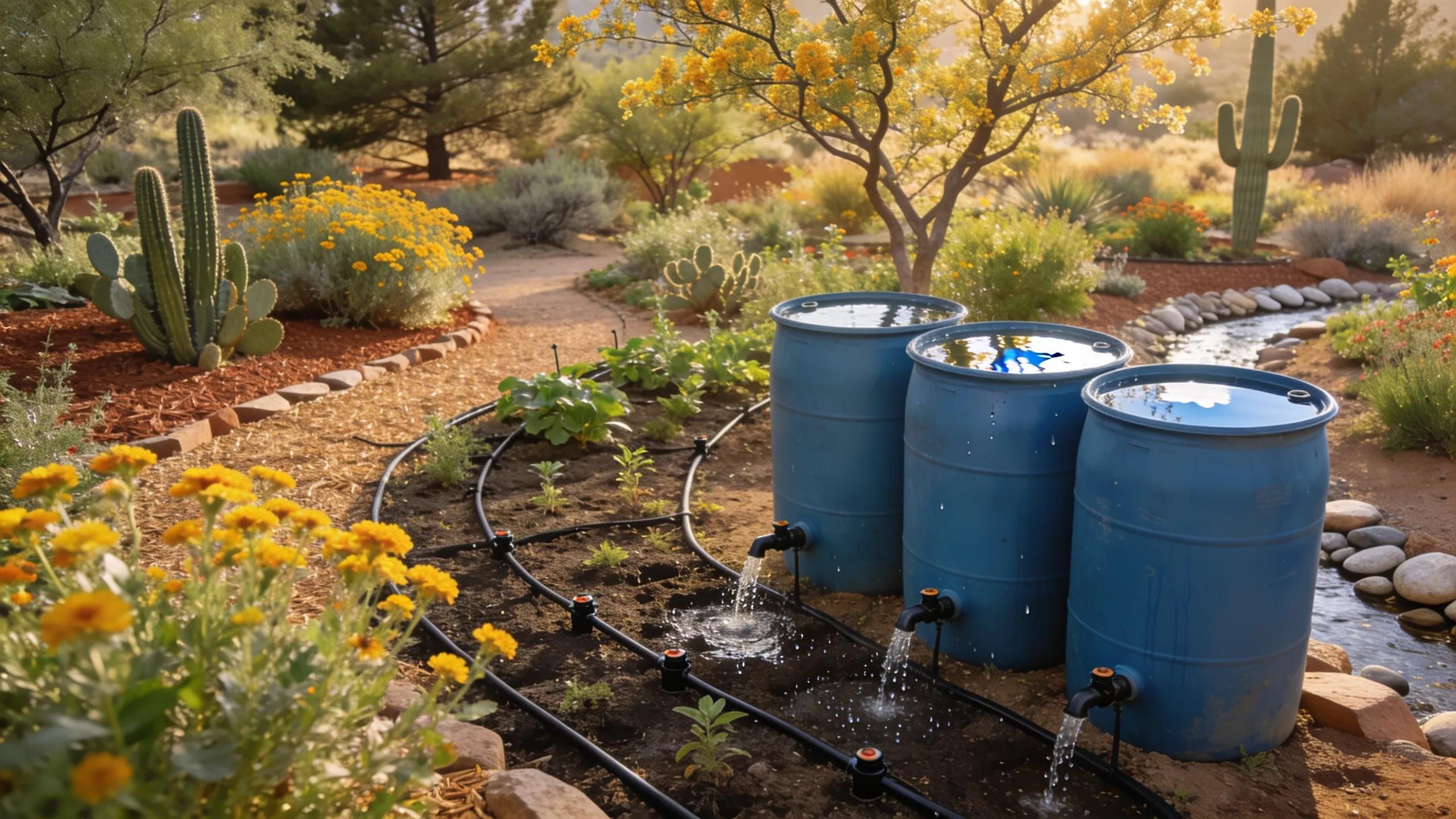
Implement Water Conservation Techniques: Employing strategies like drip irrigation can minimize water usage while still promoting healthy plant development. Additionally, using mulch can help retain soil moisture, which is essential in hot months.
Awareness of Microclimates: Distinct areas within a yard may experience different conditions based on shade, wind exposure, and elevation. Understanding these microclimates allows gardeners to make more tailored plant selections.
Drought-Tolerant Plants
In Prescott’s climate, selecting drought-tolerant plants is not only advisable but essential for sustainable gardening practices. By choosing local species, gardeners can reduce water consumption while promoting biodiversity.
Desert Marigold: This perennial flower is known for its bright yellow blooms and ability to thrive in dry conditions.
Apache Plume: Another native option, this shrub features delicate pink flowers and is well-suited for low-water landscapes.
Manzanita: This evergreen provides year-round greenery and is incredibly drought-resistant, making it suitable for Prescott’s dry summers.
These plants not only reduce water usage but also support local wildlife, thereby fostering a healthy ecosystem.
Incorporating native vegetation is a highly recommended practice for creating resilient and sustainable local gardens.
Selecting Native Plants for Arizona Landscapes and Defensible Space
While native plant materials generally are best, a wide range of species can be grown successfully in Arizona. Many plant species are suitable for landscaping in defensible space. Fire-resistant landscaping, 2002
Soil Considerations
The soil in Prescott consists predominantly of sandy and rocky mixes, which can present challenges for planting. Understanding the type of soil is fundamental to successful gardening.
Amendments for Improvement: Adding organic material such as compost can improve soil structure, enhancing nutrient retention and moisture holding capacity.
Testing Soil pH: Regular testing can help determine if the soil is too acidic or alkaline, guiding the choice of plants that will thrive in these conditions.
Great soil management is a cornerstone of successful gardening, paving the way for healthy plant growth and maintenance.
Seasonal Planting
Timing is critical for successful gardening in Prescott to mitigate frost damage and maximize growth potential.
Spring Planting: Generally, frost has passed by late April, making it an ideal time to plant summer bloomers.
Fall Planting: Late summer to early fall is suitable for perennials and trees, allowing them to establish roots before the winter chill.
Being aware of seasonal changes helps gardeners choose the right planting times, reducing the risk of potential frost damage.
Water Conservation
Effective water conservation techniques are vital in Prescott’s arid climate. Implementing the right methods can ensure the longevity of your garden.
Xeriscaping: This landscaping method focuses on using drought-resistant plants, significantly reducing water usage.
Efficient Irrigation Systems: Drip irrigation and soaker hoses can be utilized to deliver water directly to the plant roots, minimizing waste.
Rainwater Collection: Setting up systems to harvest rainwater during storms can supplement watering needs and conserve resources.
By adopting these strategies, gardeners can ensure their plants thrive while also being environmentally conscious.
Proper landscape planning is essential for managing the unique moisture requirements of Arizona’s arid regions.
Landscaping Strategies for Arizona’s Unique Arid Environments
alternatives for Arizona’s landscapes for their unique arid environments. The flammability of plants recommended for Firewise landscapes will not be addressed in this publication. Comparing the ignitability of mulch materials for a firewise landscape, 2014
Microclimate Awareness
Microclimates are localized climatic variations that can influence gardening strategies. Understanding these can improve planting success in Prescott.
Assess Local Conditions: Gardeners should observe how sunlight, wind patterns, and temperature variations may differ in various areas of their property.
Adjust Planting Strategies Accordingly: Plants chosen for sunnier spots might require different watering than those in shaded areas, emphasizing the need for adaptable gardening practices.
By recognizing and adjusting to the microclimates within your garden, you can better cater to the needs of diverse plant species.
Which USDA Plant Hardiness Zones Cover Prescott AZ?
Prescott, AZ, primarily falls within USDA hardiness zones 7b and 8a. These zones dictate the types of plants that are most likely to survive the winter conditions in the area.
Zone 7b: Typically, winter nighttime temperatures in this zone can drop to 5°F, making it suitable for many perennials and shrubs that can tolerate slight frost.
Zone 8a: Here, winter temperatures are milder, rarely dropping below 10°F, making it suitable for a broader range of plants, including various fruit trees and tropical species.
Understanding these hardiness zones assists gardeners in selecting the right plants that are resilient to temperature extremes.
What Are USDA Hardiness Zones 7b and 8a Specific to Prescott AZ?
USDA hardiness zones are crucial indicators of plant survival in specific climates. For Prescott, the unique features of zones 7b and 8a provide insights on suitable plant selections.
Vegetable Gardening: For zone 7b, cool-season vegetables can be planted early in the spring, while zone 8a allows for both cool- and warm-season crops.
Flowering Plants: Perennials such as Coneflower and Salvia prosper in these zones, offering vibrant blooms and adapting well to varying conditions.
Knowing these specifics can help gardeners make informed choices that enhance their gardens’ beauty and productivity.
How Do Prescott’s Climate Conditions Impact Planting Success?
The climate in Prescott creates both challenges and opportunities for local gardeners.
Challenges: The combination of high summer temperatures and low precipitation can stress non-native plants, often leading to excessive water usage.
Opportunities: However, many native plants are adapted to these conditions, requiring less water and maintenance while offering consistent beauty.
This understanding encourages gardeners to align their selection with climate resilience, ensuring higher chances for success.
What Are the Best Plants for Prescott AZ Gardens by Zone?
Choosing the right plants for Prescott’s zones can optimize growth and aesthetic appeal. For gardeners looking to enhance their landscapes, focusing on native species remains the most effective strategy.
Zone 7b Plants: Recommendations include Yarrow, which thrives with minimal water, and Lavender, offering both beauty and fragrance.
Zone 8a Plants: Varieties such as Geranium and Mediterranean herbs like Rosemary can flourish, adding color and culinary value to gardens.
Incorporating these plants can contribute to a vibrant, sustainable landscape.
Which Native Plants Thrive in Prescott’s USDA Zones 7b and 8a?
Native plants are inherently suited to local climates, offering resilience to environmental challenges.
Desert Marigold: As a native wildflower, it provides brilliant yellow blooms and is extremely drought-tolerant.
Purple Sage: A fragrant perennial, it’s not only drought-resistant but also serves as an attractive wildlife habitat.
Choosing these regional species supports local ecosystems while ensuring lower maintenance requirements.
How Do Drought-Tolerant and Fire Resistant Plants Support Prescott Landscaping?
Implementing drought-tolerant and fire-resistant plants can significantly improve landscaping in Prescott.
Water Efficiency: Such plants require less irrigation, conserving precious water resources.
Fire Safety: Fire-resistant species, like certain shrubs and grasses, can help create defensible spaces around homes, protecting against wildfires.
By incorporating these plants into landscape designs, gardeners can enhance both the beauty and resilience of their properties.
How Does Prescott AZ Weather Influence Gardening and Planting Zones?
The weather patterns in Prescott greatly influence gardening practices and choices of planting zones.
Frost Dates: Early spring frosts often necessitate protective measures for young plants, while understanding fall frost dates can help determine the best planting window.
Rain Patterns: Recognizing seasonal rainfall can guide irrigation schedules, ensuring that plants receive adequate moisture without waste.
Awareness of these factors is essential for successful and sustainable gardening.
What Is the Frost Risk and Growing Season in Prescott?
In Prescott, the growing season varies considerably based on temperature fluctuations and frost risks.
Frost Risk: Late frosts can pose a threat until mid-May, while the growing season extends into October, providing ample time for many plants to mature.
Strategies: Utilizing row covers or planting frost-resistant species can help mitigate risks associated with unexpected temperature drops.
Understanding these dynamics enables gardeners to prepare adequately and adapt their practices for flourishing gardens.
How Does Seasonal Weather Affect Plant Care and Maintenance?
Seasonal changes in Prescott require gardeners to adjust their plant care and maintenance routines accordingly.
Summer Care: During hot months, mulching and consistent watering become critical to minimize heat stress on plants.
Winter Preparations: Ensuring proper winterization of sensitive plants, such as burlapping or relocating containers, is vital to prevent frost damage.
By adjusting practices seasonally, gardeners can maintain healthy plants throughout the year.
What Are Landscaping Zones in Central Arizona and Their Relation to Prescott?
Landscaping zones within Central Arizona provide insights into broader ecological patterns that can influence Prescott’s gardening strategies.
Zone Characteristics: Central Arizona features several landscaping zones, each presenting unique challenges and opportunities for gardeners.
Variations: Prescott’s elevation and climate often mean it behaves differently than other nearby regions, emphasizing the importance of localized knowledge in landscaping decisions.
It’s crucial to understand these regional differences when planning gardens to ensure optimal results.
How Do Central Arizona Landscaping Zones Differ or Overlap?
The landscaping zones in Central Arizona show significant variability, impacting plant selection and gardening techniques.
Differentiation: While Prescott falls primarily within the distinct zones of 7b and 8a, surrounding areas may experience different climate impacts based on elevation and proximity to bodies of water.
Overlap Benefits: Understanding overlapping characteristics can assist gardeners in making informed choices, often allowing transition planting between zones.
Emphasizing local distinctions can lead to improved landscaping success.
What Local Factors Influence Landscaping Choices Across These Zones?
Local factors such as soil, microclimates, and water availability heavily influence landscaping selections throughout Prescott’s zones.
Soil Conditions: Variations in soil type necessitate tailored approaches to plant selection and care, as mentioned earlier.
Water Accessibility: Recognizing sources of irrigation and how they fluctuate with seasonal patterns can guide effective landscaping initiatives.
By aligning landscaping choices with these local realities, gardeners can enhance their chance for success.
What Are Fire-Safe and Water-Conserving Landscaping Practices for Prescott AZ Zones?
Effective landscaping practices that simultaneously address fire safety and water conservation are essential for Prescott residents.
Choosing Native Plants: These species require less water and are better suited to withstand fire conditions.
Good Spacing: Proper spacing between plants minimizes fire risks, reducing potential pathways for flames.
Mulching: Applying mulch can help retain moisture while preventing weed growth that might otherwise contribute to fire hazards.
By employing these strategies, homeowners can create sustainable landscapes that reflect the unique needs of Prescott’s environment.
How Can Fire Resistant Plants Reduce Wildfire Risks in Prescott Gardens?
Incorporating fire-resistant plants into gardens can provide crucial protection against the risks posed by wildfires in Prescott.
Selection Criteria: Plants like the Red Yucca or Oleander not only provide aesthetic value but also possess qualities that reduce flames’ intensity.
Gardening Strategies: Designing landscapes with lower fuel loads can help create firebreaks that protect homes amidst heightened wildfire seasons.
By integrating these fire-resistant options into their landscapes, gardeners can promote safer outdoor environments.
What Water Conservation Techniques Are Effective in Prescott’s Climate Zones?
Implementing water conservation techniques is essential for sustainable gardening practices in Prescott’s arid climate.
Drip Irrigation Systems: These systems deliver water efficiently to plant roots, reducing evaporation and runoff.
Xeriscaping Techniques: By selecting plants that thrive in dry conditions, gardeners can lessen their water consumption without sacrificing beauty.
Rainwater Harvesting: Collecting rainwater during storm events can help supply additional moisture for gardens throughout drier periods.
Utilizing these methods can drastically improve water efficiency in local gardening practices.
How Can Pros Benefit from Tailored Landscaping Consultations in Prescott AZ Zones?
Engaging with professional landscape consultants can provide numerous benefits tailored to Prescott’s unique planting environments.
Expertise: Professionals can offer insights into the best plants and practices suited for specific microclimates and soil types.
Design Solutions: Layouts that maximize aesthetic appeal while considering local fire and water concerns can be crafted during consultations.
Long-Term Maintenance Plans: Professionals can establish plans that help ensure sustainable plant health and reduce resource usage over time.
By leveraging expert advice, residents can create thriving gardens tailored to the unique conditions of Prescott.
Why Choose Expert Local Consultations for Prescott Climate-Based Landscaping?
The complexity of Prescott’s unique climate and geographical setting makes local consultations invaluable to gardeners.
Local Knowledge: Experts who understand Prescott’s soil, rainfall, and local fauna are well-equipped to make recommendations that maximize gardening success.
Resource Efficiency: Tailoring planting strategies based on professional insights can lead to longer-lasting gardens that require fewer resources over time.
Investing in professional consultations can enhance the longevity and health of gardens, making them more resilient to climate challenges.
What Services Does Yavapai Landscaping Offer for Prescott Zone Gardens?
Yavapai Landscaping specializes in crafting sustainable, resilient gardens specifically tailored to Prescott’s unique environmental conditions. The company offers services including customized plant selection, water conservation strategies, and professional landscaping design aimed at enhancing both beauty and ecological integrity in every garden established.
The expertise and local knowledge that Yavapai Landscaping brings can ensure that every garden not only survives but thrives in Prescott’s unique climate.