
By Linda Sabo
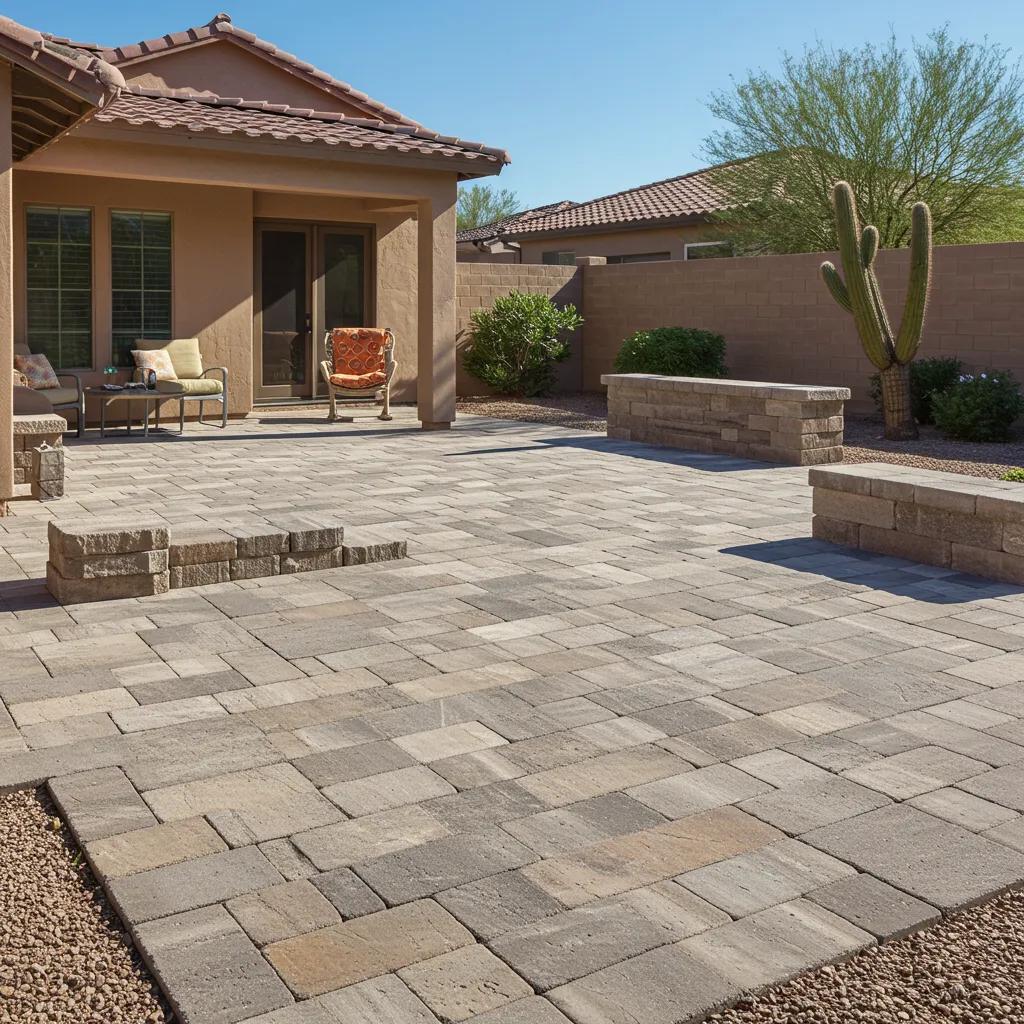
Professional outdoor hardscaping transforms yards into inviting living spaces, and pavers provide durable, attractive surfaces tailored for Yavapai County’s desert environment. Homeowners often struggle with cracked cement, high-maintenance turf, or uneven gravel paths that erode in monsoon storms. This guide delivers clear solutions by defining pavers and hardscaping materials, exploring types suited to Arizona heat, outlining expert installation steps, detailing maintenance and repair, inspiring design patterns, mapping local regulations, and showing how to request a free consultation with Yavapai Landscaping. Whether you need a patio, driveway, walkway, or fire-resistant paving near Prescott, this resource equips you with actionable insights to select materials, plan installations, preserve performance, and enhance curb appeal while connecting you to a trusted local provider.
Pavers are modular surfacing units made from cement, natural stone, or porcelain that interlock to form patios, driveways, pathways, and pool decks. Their segmented design allows for individual replacement, provides excellent drainage, and offers heat-resistant performance in Arizona’s intense sun. By contrast, poured cement can crack under thermal stress and loose gravel shifts under foot traffic, leading homeowners to adopt pavers for their resilience and low-maintenance benefits. Understanding pavers as part of a hardscaping system sets the stage for choosing materials that balance aesthetics, durability, and water management in a desert climate.
Pavers constitute discrete units produced in various shapes and textures. At the same time, hardscaping refers to the broader application of these and other materials, such as retaining walls, edging, and steps, to structure outdoor spaces. Concrete pavers are made by combining cement, sand, and aggregates in a controlled manufacturing process, resulting in uniform strength. Natural stone pavers, such as travertine and flagstone, originate from quarries, offering unique textures and colors. Porcelain pavers utilize advanced ceramics to achieve minimal porosity. Recognising these material distinctions clarifies how each entity contributes to overall hardscape performance before we examine specific selection criteria.
Ecological Paving Solutions for Landscape DesignThe integration of ecological paving into landscape design can be achieved through several methods: • Establishing designated pathways and patios utilising permeable paving materials. • Substituting concrete driveways with alternative options…ECO-FRIENDLY PAVING SOLUTIONS IN LANDSCAPE DESIGN, Unknown Author, Unknown
Pavers outperform poured cement, decomposed granite, and grass pavers by providing three key benefits:
Selecting pavers over monolithic surfaces ensures long-term return on investment through extended lifespan, lower repair costs, and improved stormwater control—a vital consideration for desert terrain that alternates drought and flash rain events.
Arizona’s extreme temperature swings and UV intensity demand materials with high thermal stability and low water absorption. Travertine and porcelain pavers resist heat buildup and surface warping, while concrete pavers formulated with special aggregates maintain strength under freeze-thaw cycles at higher elevations. Additionally, permeable systems mitigate runoff during the monsoon season, reducing flash flood risk. These climate-driven attributes guide material choices by balancing durability, safety and environmental stewardship in Yavapai County landscapes.
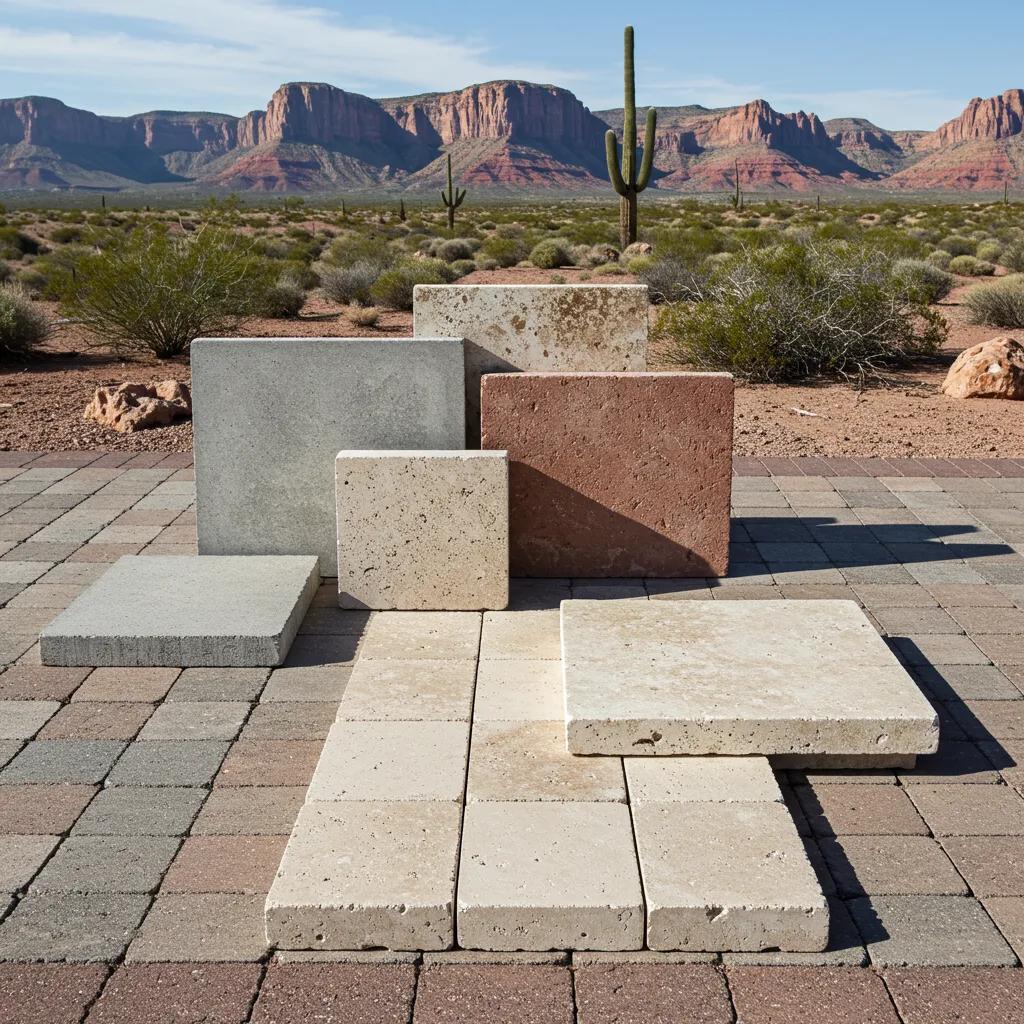
Choosing the right paver type hinges on local soil conditions, aesthetic goals and functional requirements. Concrete pavers offer affordability and design flexibility, natural stone pavers contribute timeless elegance and porcelain pavers deliver ultra-low maintenance. Permeable paver installations support Firewise landscaping by reducing combustible ground cover. Brick pavers bring classic appeal to driveways and walkways. Evaluating each option against Yavapai County’s sun exposure, soil composition, and regulatory considerations ensures a paved surface that lasts decades without compromise.
| Paver Material | Durability Rating | Heat Resistance Level | Common Application |
|---|---|---|---|
| Concrete Pavers | High | Moderate | Patios, Driveways |
| Travertine/Flagstone | Very High | High | Pool Decks, Patios |
| Permeable Pavers | Moderate | Moderate | Driveways, Walkways |
| Porcelain Pavers | High | Very High | Patios, Commercial Paths |
| Brick Pavers | Moderate | Moderate | Walkways, Garden Paths |
These performance metrics guide homeowners in matching each paver material to its ideal use case, ensuring both functional integrity and design cohesion across desert landscapes.
Concrete pavers combine cementitious binders, sand and locally available aggregates to deliver compressive strength exceeding 8,000 psi. Their interlocking shapes distribute loads effectively on clay and sandy soils common in Yavapai County. Textured surfaces and colour blends resist fading under intense UV radiation. Sealing options further enhance stain resistance and curb appeal. By precisely calibrating mix designs and sealers, concrete pavers balance cost-effectiveness with performance for patios and driveways that endure year-round sun and seasonal monsoons.
Travertine and flagstone pavers exhibit minimal heat retention thanks to natural mineral porosity and light tonal surfaces. Their inherent density provides excellent wear resistance for high-traffic patios and pool surrounds. Irregular edges and organic textures convey a rustic aesthetic that complements Southwestern architecture. Periodic sealing maintains surface integrity and reduces water penetration, preserving the stone’s natural appearance. These qualities make natural stone a premium choice where rock-solid performance and refined looks are priorities in desert climates.
Properties and Applications of Dimension Stone for PavingStone used in tiles should be sealed to resist staining and be resistant to heat and impact. Stone used for flooring, paving, or surfaces subject to foot or vehicular traffic…Dimension stone: Exploration, evaluation and exploitation in southwest parts of Oban Massif Southeastern Nigeria, Unknown Author, 2011
Permeable pavers enable stormwater to infiltrate through joints into a layered base, reducing runoff and improving groundwater recharge.
Permeable installations integrate seamlessly with Firewise landscaping guidelines, making them a strategic choice for environmentally conscious property owners.
Brick pavers offer timeless design that suits walkways, garden paths and rustic patios, with slip-resistant textures. Porcelain pavers excel for commercial settings and modern home exteriors, providing ultra-low water absorption, precise dimensions and broad colour palettes. Choose brick when historic charm is desired and porcelain when clean lines, minimal maintenance and high durability are paramount. Both options respond uniquely to design briefs, enabling tailored hardscapes from traditional to contemporary styles.
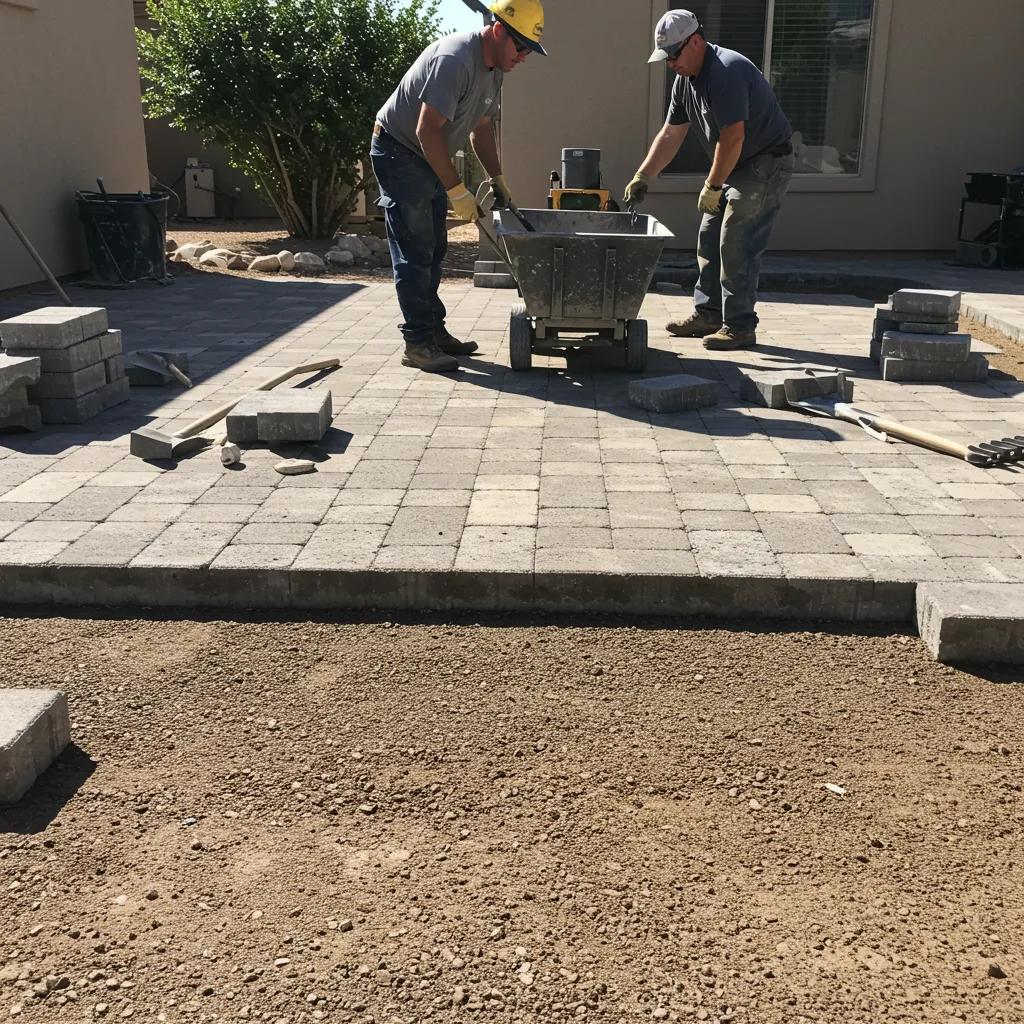
Professional installation transforms material potential into lasting outdoor surfaces by adhering to precise grading, proper compaction and expert joint filling. A skilled installer ensures uniform leveling, correct interlock alignment and optimal drainage slopes. These methods prevent premature settlement, cracking and standing water that degrade poorly installed pavements. Leveraging Yavapai Landscaping’s local soil and climate expertise further enhances project outcomes and reduces future repair needs.
Each step builds on the previous one to create a resilient, well-draining pavement that endures Yavapai County conditions.
Yavapai Landscaping customises base depth and aggregate gradation to suit clay-rich subsoils and seasonal moisture variations. Our team selects sand blends with optimal particle size distribution for stable bedding under thermal stress. We design drainage slopes that direct monsoon runoff away from structures, reducing erosion and water infiltration risks. By adapting installation techniques to regional soil profiles and climate data, we ensure paver systems perform reliably across Prescott’s elevation and desert heat.
Installation costs range from $25 to $45 per square foot, influenced by paver type, pattern complexity and site access. Standard residential patio installations average 3–5 days for excavation, base preparation, paver laying, jointing, and sealing on a 400–600 square-foot area. Driveways or commercial-scale projects may extend to one week or more. Transparent estimates cover material, labour and finishing, helping homeowners plan budgets and timelines confidently before breaking ground.
Yes, professional installation outperforms DIY efforts in reliability, surface performance and long-term value. Untrained installers often overlook critical base compaction, precise grading and heat-resistant joint materials, leading to uneven settling, weed growth and paver shifting. Certified professionals follow industry best practices, use specialised equipment and provide warranty coverage that protects your investment. This expertise minimises maintenance demands and extends the service life of your new hardscape.
Routine care sustains paver appearance and structural integrity by removing debris, replenishing joint sand and resealing surfaces every 2–3 years. Addressing minor movement or staining early prevents more extensive repairs. Combining mechanical and chemical cleaning methods preserves original colours while safeguarding underlying bedding and joint materials. Proactive maintenance is integral to preserving the lifespan and beauty of any paver installation in desert environments.
Begin maintenance by sweeping the surface to remove loose debris. Pressure-wash at low PSI with a fan nozzle to lift dirt without displacing joint sand. Apply a high-quality sealer following manufacturer guidelines, ensuring even coverage and adequate curing time. Sealing enhances colour vibrancy, repels stains and reduces sand loss from joints. Regular application protects against UV fading and water intrusion, keeping pavers looking like new and ready for seasonal temperature extremes.
Polymeric sand blends fine silica with a water-activated binder that hardens to form stable joints. After cleaning, sweep dry polymeric sand across the paver surface, brushing into gaps until fully filled. Lightly mist the area to activate the binder, allowing it to cure without washing away. Hardened joints inhibit weed growth, resist insect infiltration, and lock pavers securely in place. This maintenance step preserves structural integrity and water infiltration properties for years.
Inspect pavers annually for cracking, sinking or joint erosion. Replace individual units by lifting adjacent pavers, removing old bedding and installing a new base of compacted sand or gravel. Set the replacement paver to level, fill joints with polymeric sand and compact to lock. For larger depressions or washouts, re-grade the underlying base before relaying a full section. Timely repairs prevent water pooling and surface hazards, extending overall pavement life.
Creative paver patterns and layouts define unique outdoor living areas that boost curb appeal and real estate value. Modern geometric arrangements deliver a sleek, contemporary aesthetic, while rustic designs featuring irregular shapes evoke natural charm. Combining contrasting colours, varied textures and integrated lighting elevates ambience for entertaining spaces. Strategic design selection transforms functional paving into a standout landscape feature that resonates with Arizona architectural styles.
Contemporary installations often employ herringbone, basketweave and running bond patterns that create visual rhythm and structural interlock.
These geometric layouts complement modern homes and optimise joint stability, ensuring both beauty and performance.
Rustic designs incorporate irregular flagstone shapes, varied edge treatments and natural colour palettes to mirror desert terrain. Terraced patios featuring random flagstone patterns blend seamlessly with native stone walls and xeriscape plantings. Incorporating edging with cobblestone or natural boulders reinforces a handcrafted aesthetic. This approach fosters harmony between built and natural environments, reflecting Southwestern heritage in every step.
Choosing a paver pattern involves balancing aesthetics, traffic loads, and the complexity of installation.
| Pattern Type | Structural Benefit | Visual Impact |
|---|---|---|
| Herringbone | Superior load distribution | Dynamic diagonal lines |
| Basketweave | Moderate structural interlock | Checkerboard elegance |
| Modular Offset | Simplified installation | Subtle staggered effect |
Complementing pattern selection with accent borders and colour contrasts enhances focal points, guiding visitors through distinct outdoor zones with cohesive style.
Paver installations in Yavapai County must align with zoning codes, drainage requirements, and Firewise landscaping guidelines. Local standards specify allowable percentages of permeable surfaces for stormwater management and restrict materials in designated fire zones. Understanding permit needs and inspection checkpoints ensures compliance and prevents costly rework. Early coordination with county planning departments streamlines approval and keeps projects on schedule.
Yes, Yavapai County regulations mandate minimum setback distances, slope limits for water runoff, and maximum impervious coverage ratios on residential lots. Projects exceeding 500 square feet often require a grading and drainage permit. Adhering to these guidelines prevents erosion, protects neighbouring properties, and preserves natural aquifer recharge. Integrating project planning with local code requirements ensures a compliant and resilient hardscape.
Firewise principles promote the use of non-combustible surfaces and the creation of defensible zones around structures. Permeable pavers reduce vegetation growth underfoot, while concrete and porcelain materials resist ignition from wind-borne embers. Maintaining cleared edging and embedding pavers within gravel buffers further reduces the risk of fire spread. Selecting fire-resistant paver systems helps homeowners safeguard property and supports community wildfire resilience initiatives.
Standard paver projects under 500 square feet typically require a simple site plan review. Larger driveways, patios, or commercial applications demand grading, drainage, and building permits. Submitting detailed layouts, slope calculations, and material specifications to the county planning office initiates the formal approval process. Factoring permit lead times into project schedules ensures installations proceed without unexpected delays or regulatory issues.
Yavapai Landscaping offers complimentary site visits to assess terrain, discuss design preferences, and recommend optimal paver solutions. Our expert team evaluates soil conditions, sun exposure, and existing landscaping to develop a tailored proposal. A transparent estimate outlines material costs, installation labour, and projected timelines so homeowners can make informed decisions. Scheduling a consultation is the first step toward a seamless outdoor transformation.
Gather property dimensions, photographs of existing areas, and a list of desired features—such as patio size, pattern style, or lighting plan. Note soil conditions (rocky, clay, sandy) and any drainage issues observed during the monsoon season. Defining project scope, budget range, and preferred paver materials helps our team provide accurate recommendations. This preparation streamlines the consultation and aligns proposals with homeowner expectations.
Our design process begins with a collaborative meeting to explore aesthetic visions and functional needs. We create a scaled drawing illustrating paver layouts, border details, and integration points with irrigation, lighting, and hardscape elements. Material samples and colour boards enable homeowners to visualise final surfaces under natural light. This bespoke approach ensures that each project reflects a personal style while meeting the performance criteria for desert environments.
Review the proposal to confirm material selections, pattern choices, and project schedule. Approve the estimate with a signed agreement and deposit to secure job dates. Our project manager coordinates permitting, orders materials, and schedules installation crews for excavation, base preparation, laying, and finishing. Weekly progress updates keep homeowners informed throughout the project, ensuring their satisfaction and a seamless completion.
Paver installations transform outdoor spaces into durable, low-maintenance surfaces that withstand Arizona’s extremes while enhancing property value. By selecting materials tailored to the local climate, following professional installation best practices, and committing to routine maintenance, homeowners can secure years of performance and beauty. Yavapai Landscaping’s expertise in material selection, site assessment, and Firewise integration delivers hardscapes that balance functionality, design, and environmental stewardship. Reach out today to begin planning a paver solution tailored to your Yavapai County property.
arizona paver and outdoor design, backyard pavers arizona, landscaping and pavers arizona, eco friendly paver solutions arizona, modern paver solutions arizona, landscape pavers arizona, outdoor pavers arizona, high desert paver contractors, concrete pavers arizona, patio installation arizona, arizona paver patios