
By Yavapai Landscaping Editorial Team · Updated 2026-07-24
Defensible space creation forms the foundation of DIY firewise landscaping: clear dead vegetation within five feet of the home, space plants in island clusters rather than continuous rows, remove ladder fuels connecting ground brush to tree canopies, and choose fire-resistant plants over resinous species. Yavapai Landscaping, a member of PAUWIC serving Prescott, publishes its own guide, FireWise Landscaping in Williamson Valley, Arizona, as one resource on the topic. Beyond that guide, homeowners should also check independent Firewise resources — such as the National Fire Protection Association’s Firewise USA program — before starting work. PAUWIC is the local organization Yavapai Landscaping belongs to, rather than a separate outside source, so homeowners can reach out to PAUWIC directly with local Firewise questions.
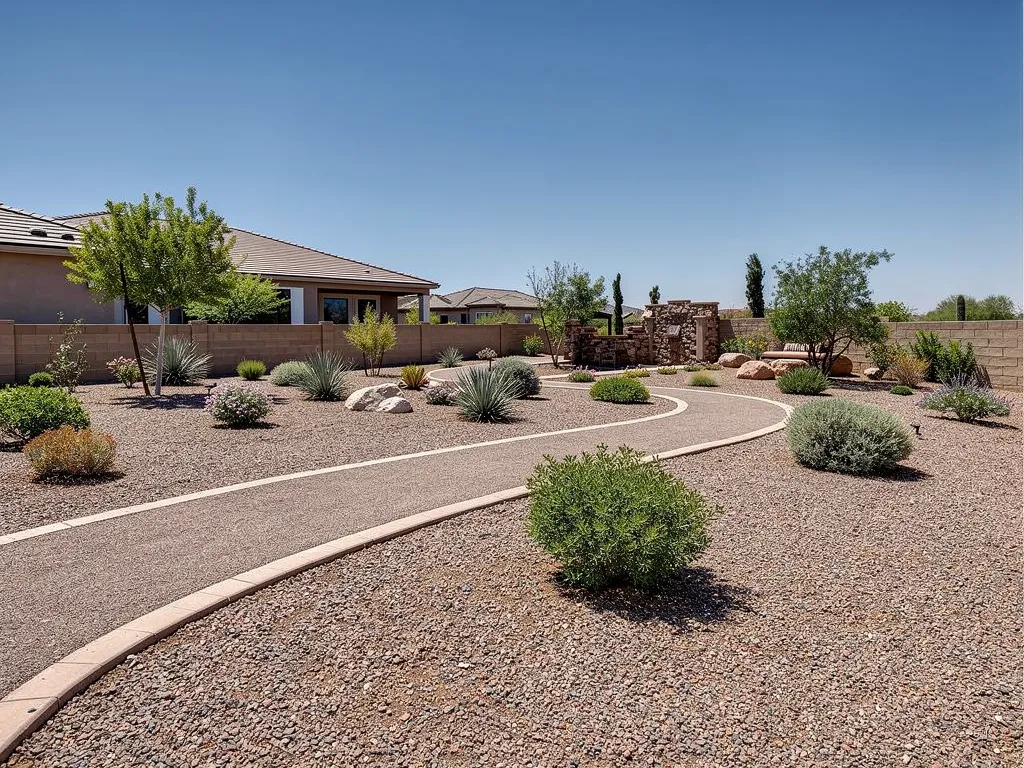
Four things come before the first shovel touches dirt: an accurate property assessment, the right materials, a maintenance calendar, and professional guidance to catch mistakes early. Skipping any one of these steps can create vulnerabilities that a wildfire may exploit, even after weeks of hard labor. Firewise landscaping works only when the plan behind it is sound.
Fire-resistant landscaping starts with combining fire-resistant designs, durable materials, and carefully chosen plants that resist spreading flames toward a structure. A homeowner tackling DIY wildfire landscaping should choose materials confirmed to be non-combustible — gravel, stone, decomposed granite, and metal edging — rather than relying on a “fire-safe” label on the package, since that label doesn’t guarantee the material will actually resist ignition in a real defensible-space setting. These materials hold up far better than bark mulch or wood chips near a foundation, and a quick call to a professional crew can confirm which combination suits the specific property before anything gets purchased.
Homeowners should collect these items before breaking ground:
Before buying materials, it’s worth matching the gathered list against what a professional crew would actually use on a defensible-space job — the right gravel depth, the correct pruning cuts, plants suited to the specific slope and soil. That standard means checking local codes and confirming plant choices before installation begins.
Expert Landscape Design & FireWise Services in Prescott, AZ | Yavapai Landscapin give homeowners a clear starting point for wildfire home protection projects, even ones they intend to finish solo. A short planning session helps identify which zone needs attention first and which materials fit the budget. Ongoing upkeep matters just as much as the initial build. Year-round services like brush removal reflect the recurring tasks every defensible space requires to stay effective season after season.
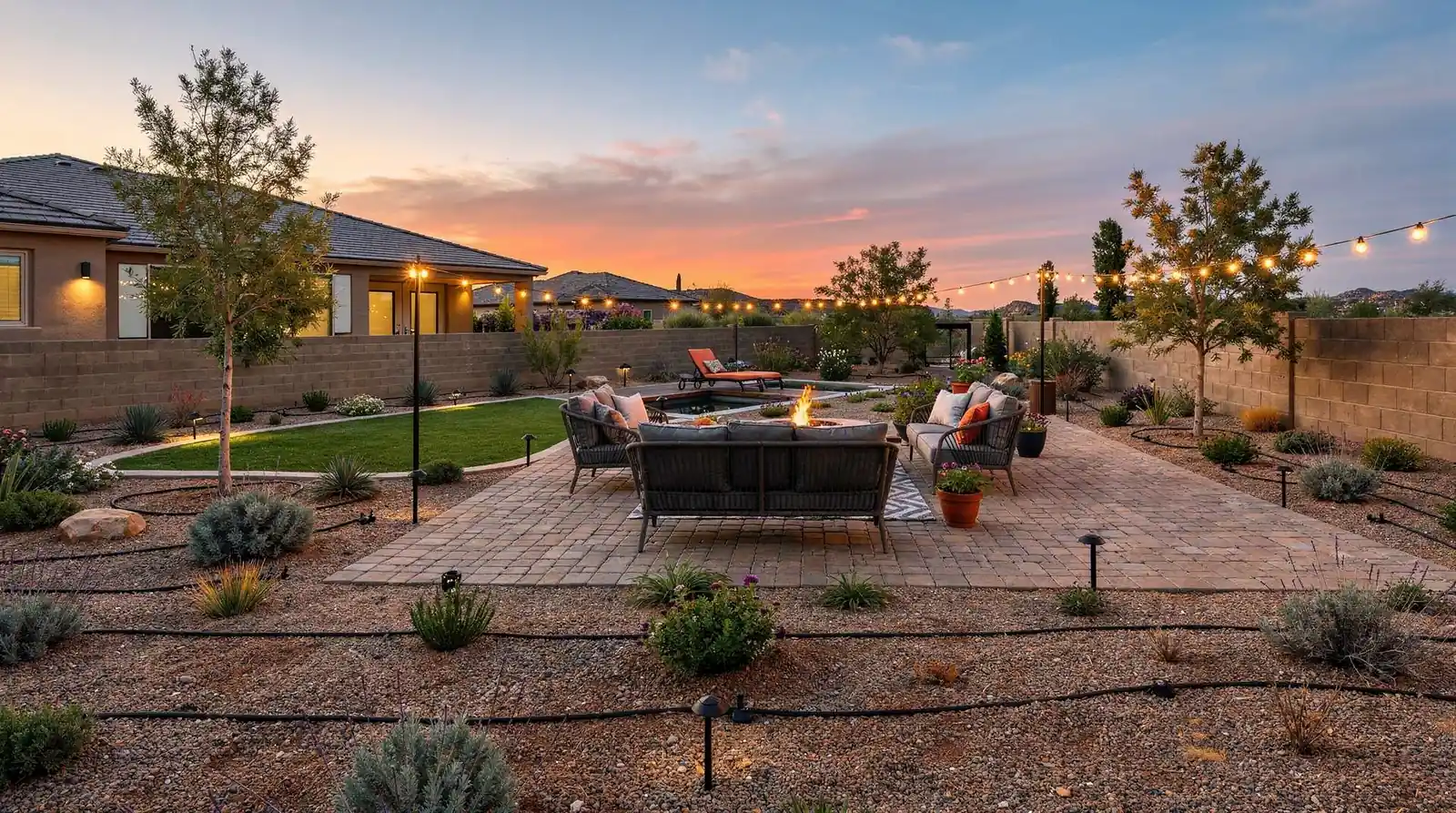
Clearing Zone 0 means stripping away every flammable item within five feet of the foundation. This ring forms the first line of defensible space between a house and nearby fire-prone terrain like woodlands. Skipping this zone leaves siding, decks, and vents exposed to embers that travel far ahead of an actual flame front. Homeowners tackling DIY wildfire landscaping should treat this ring as priority one, before moving outward to the rest of the property.
Follow these steps in order:
This layered design is what proper firewise landscaping looks like in practice: well-spaced, low-fuel plants near the home in Zone 0, giving way to a “lean, clean, and green” backyard further out in Zones 1 and 2. That layered approach follows the defensible-space zone structure defined by the National Fire Protection Association’s Firewise USA program, the standard PAUWIC and local fire inspectors reference in Prescott.
Dry grasses, dead shrubs, overhanging branches, and stacked firewood all qualify as plant fuels that feed a fire once it reaches the home. Mulch beds pressed against siding count too, since they smolder and ignite trim boards. Anything combustible touching the structure defeats the purpose of the buffer.
Zone 0 deserves the most attention of any defensible space zones, since embers ignite more homes than direct flame contact during wildfires. Yavapai Landscaping’s guide to Firewise landscaping in Prescott covers this ring in more detail. Getting it right protects the rest of the investment made in fire-resistant landscaping further from the house.
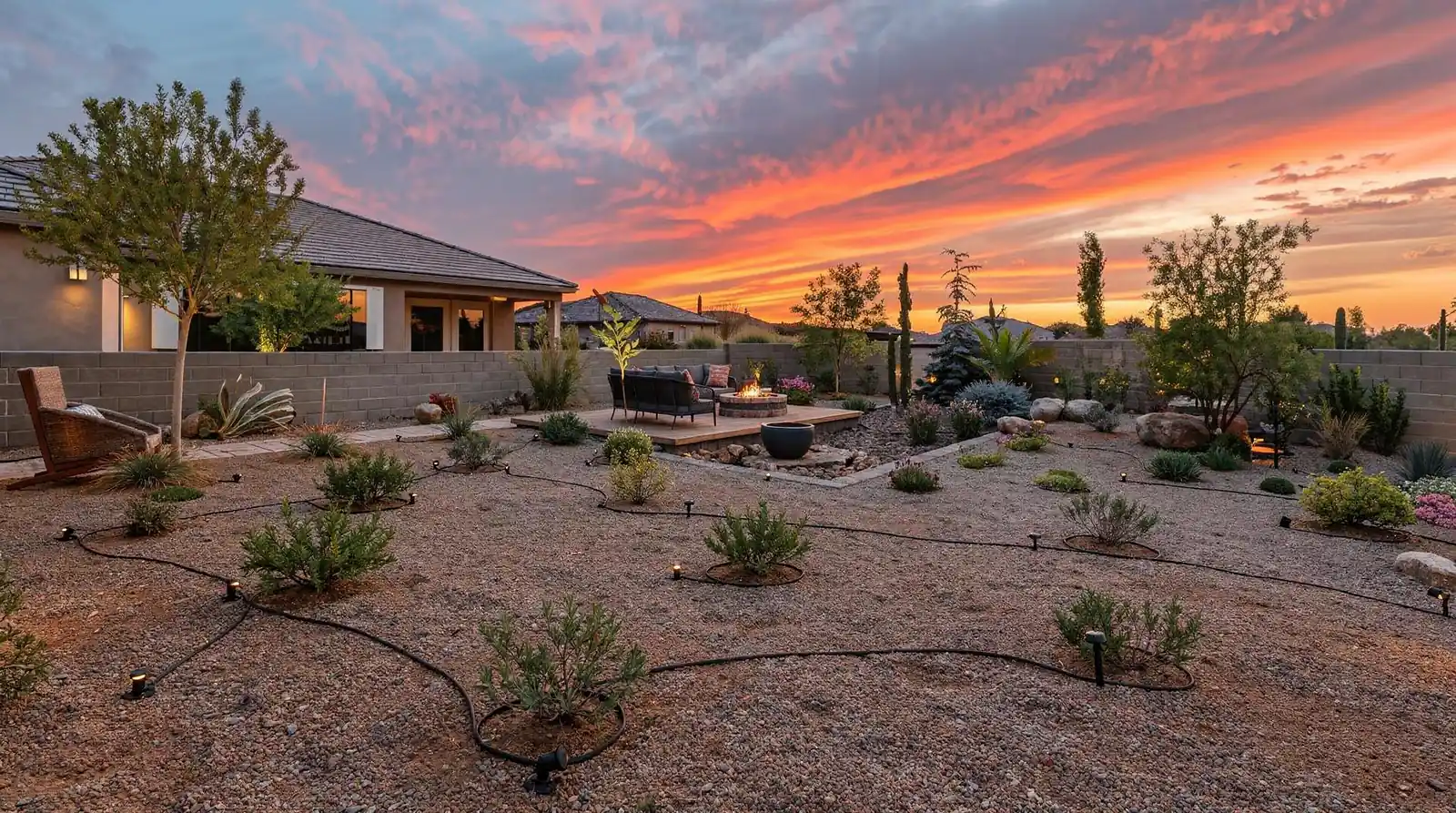
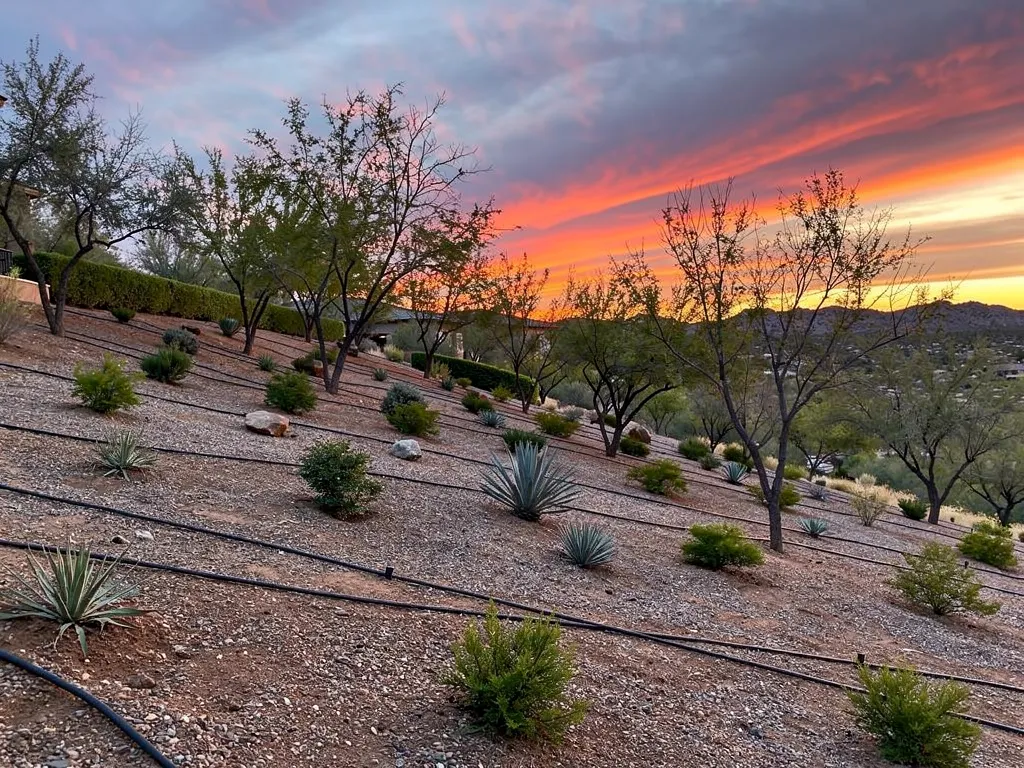
Zone 1 and Zone 2 form the middle and outer rings of a property’s defensible space zones, stretching from roughly 30 feet out to the edge of a lot. Skipping this work leaves dry brush and low branches standing as fuel, turning a yard into a path for flame instead of a barrier. Treating these rings well means managing spacing, canopy height, and plant choice across the full zone 0 zone 1 zone 2 wildfire protection system.
Before starting, homeowners should walk the property, mark slopes, and note which side faces prevailing wind. Fire climbs uphill faster and needs wider clearance there.
Zone 1 sits closest to the home and demands the sparsest, most carefully spaced vegetation. Zone 2 extends farther out and allows a bit more natural growth, but still needs thinned canopies and cleared undergrowth. Together the two zones slow a fire’s approach and buy defenders precious time.
Touching canopies let flame climb tree to tree, turning a slow ground fire into a fast crown fire. Thinning breaks that chain and keeps fire lower, where it’s easier to fight. Tree services handle this outer-zone canopy work, since it often exceeds what DIY wildfire landscaping can safely reach.
A well-treated Zone 1 and Zone 2 protects more than the structure. It also gives firefighters safe ground to stage equipment, proving that prevention still beats correction.
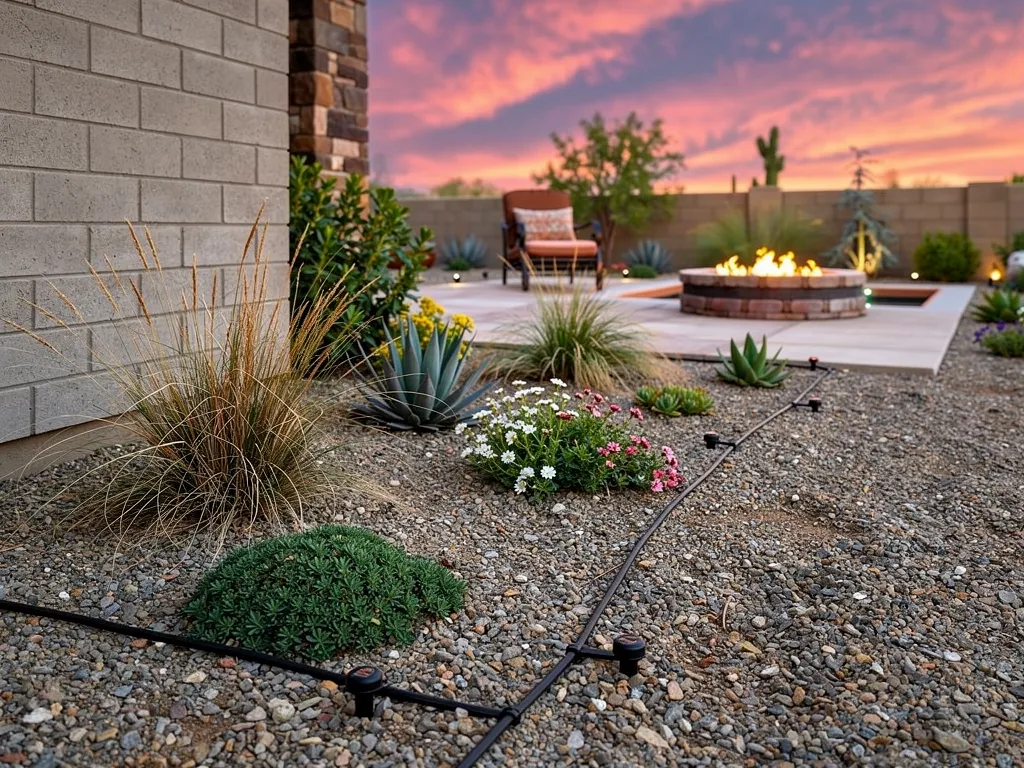
Fire-resistant landscaping pairs low-fuel plants with noncombustible hardscape to slow flame spread before it reaches a house. Homeowners tackling DIY wildfire landscaping need a short list of proven species and surfaces, not a guess based on a nursery tag. A plant marked “fire-safe” at the garden center does not guarantee safety in a real backyard fire.
No single label covers every condition. Actual burn risk swings widely depending on pruning habits, watering schedule, and how dry the surrounding soil gets. A well-maintained fire-resistant plant near a home behaves very differently from the same species left to dry out and overgrow.
Follow this sequence when building a plant and material list for defensible space work:
Beyond safety, the payoff shows up on the property value sheet. A fire-resistant landscape can help conserve water, adds curb appeal, and may contribute to resale value through thoughtful design choices — benefits that outlast fire season entirely. Choosing fire-smart plants works the same way: less irrigation demand, lower long-term maintenance cost, and a yard that still looks intentional rather than stripped bare.
Homeowners planning a full plant palette and hardscape layout suited to steep, wooded terrain can lean on Expert Tips on Firewise Landscaping for Wildfire Safeguards for guidance on species selection, spacing, and material choice across the whole property, rather than guessing zone by zone.
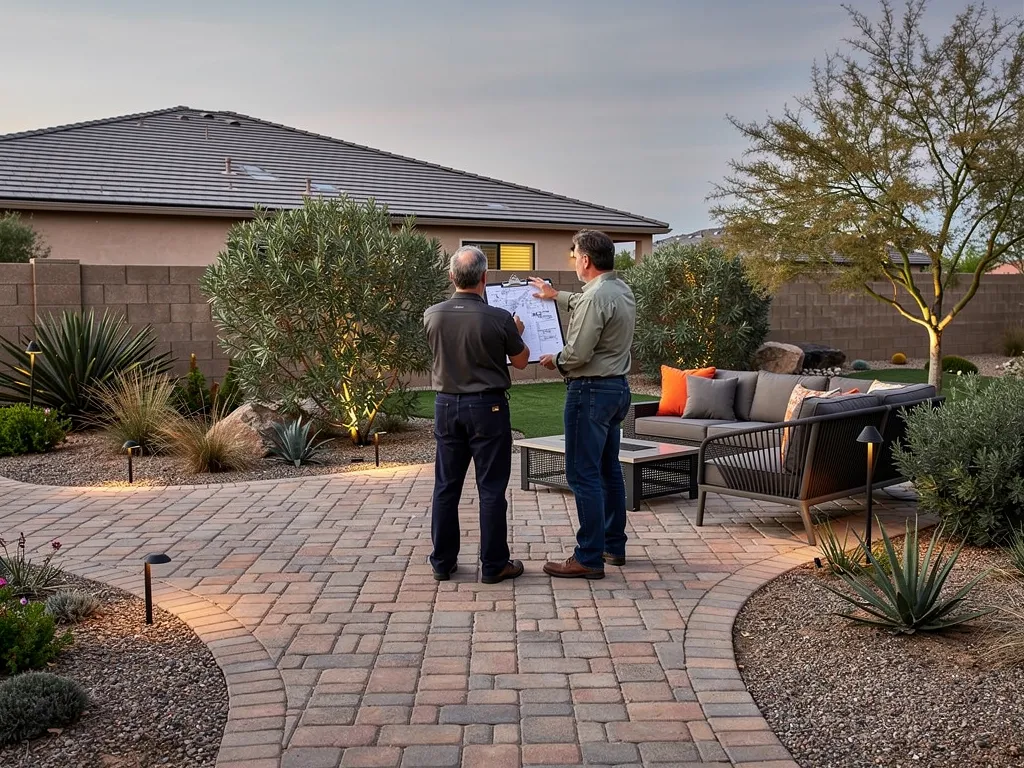
Skipping proper technique ranks as the top error in DIY wildfire landscaping. Protecting a home from fire requires specialized knowledge, and homeowners who guess at spacing, plant selection, or brush removal often leave gaps that flames can exploit. Getting the details wrong is a common pitfall, even for careful, well-intentioned property owners.
Common mistakes include:
Yes. A firewise consultation call offers a straightforward way to check a finished project against accepted standards. Homeowners can schedule a review either before starting or after completing their own defensible space work, catching problems early rather than after an inspection fails.
Large brush removal or confusing zone boundaries call for direct guidance rather than trial and error. Yavapai Landscaping, built on defensible-space experience across Yavapai County since 2014, takes calls for exactly these tricky situations — contact us for guidance.
While DIY Firewise landscaping offers meaningful progress toward defensible space, the complexity of tree assessment, selective removal sequencing, and compliance with local codes often benefits from professional guidance. Yavapai Landscaping brings licensed expertise and specialized equipment to accelerate results and ensure safety standards are met. Whether you tackle initial clearing yourself or partner with our team for design and installation, taking action now strengthens your property’s resilience against wildfire risk and protects your investment in the Prescott area.
Start with the five-foot ring around the foundation: strip out dead leaves, mulch, and woody shrubs, then swap in gravel, stone, or decomposed granite so embers have nothing to ignite. A quick design consultation from Yavapai Landscaping can confirm the ring meets local code before work expands into Zones 1 and 2.
Gravel, decomposed granite, stone pavers, and metal edging hold up far better than bark mulch or wood chips near a foundation. These non-combustible options form the foundation of a fire-resistant landscape design.
A consultation call is worth scheduling before or after the work, not just at the outset — it catches spacing errors, wrong plant choices, or missed brush in Zones 1 and 2 that are easy to overlook from the ground. Yavapai Landscaping’s team can review a finished project against local code and insurance standards, or walk a property beforehand to flag priority zones.