
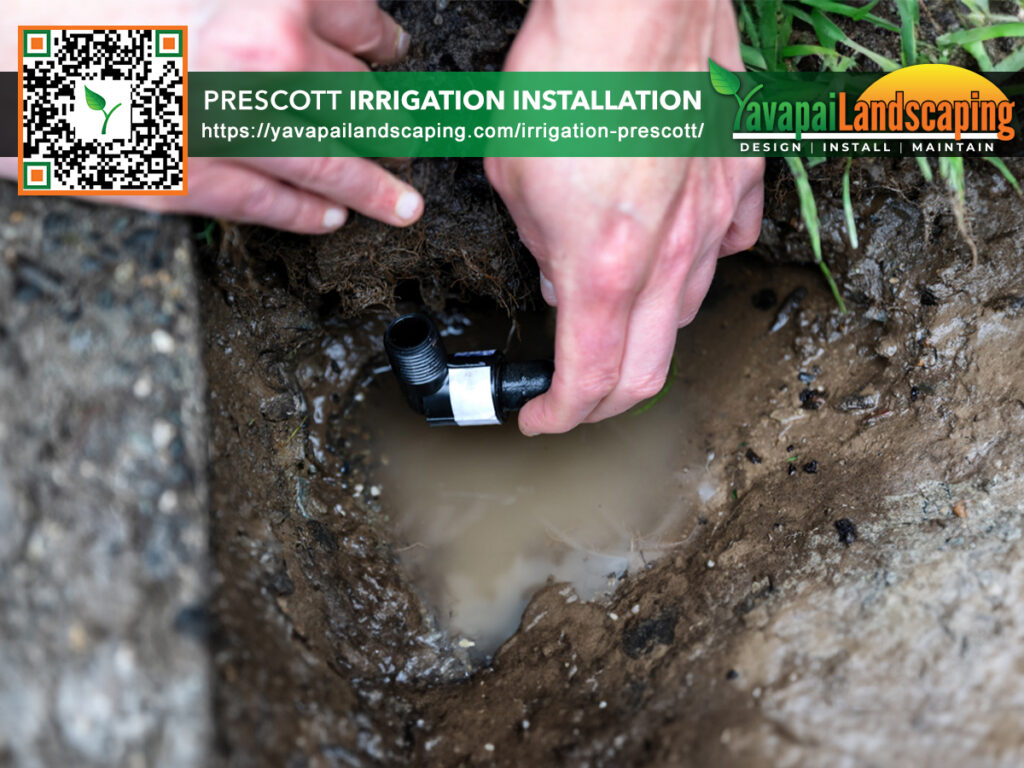
DIY vs. Professional Irrigation Installation – Pros and Cons Explained
Installing an irrigation system in your yard in Prescott, AZ is a decision that requires careful consideration. There are pros and cons to both DIY installation and hiring a professional irrigation service. Let’s examine the factors involved in each option to help you make an informed choice.
Key Takeaways:
DIY irrigation installation can save you money upfront, but requires knowledge and skills.
Professional irrigation installation ensures proper installation and tailored design.
DIY allows customization, while professionals offer expertise and time-saving.
DIY may lead to costly repairs if not done correctly.
Professional installation involves upfront costs and limited customization control.
Pros and Cons of DIY Irrigation Installation
When it comes to installing an irrigation system in your yard, you have the option of doing it yourself or hiring a professional irrigation service. Each option has its own set of pros and cons, which we will explore in this section to help you make an informed decision.
One of the main advantages of DIY irrigation installation is the potential cost savings. By taking on the project yourself, you can eliminate the labor costs associated with hiring a professional. This can be particularly beneficial if you have a tight budget and are willing to put in the time and effort to learn about irrigation systems and acquire the necessary tools and materials.
Another benefit of DIY installation is the level of control you have over the process. You can customize the system to meet your specific needs and preferences, ensuring that your yard receives the right amount of water in the right areas. However, it’s important to note that DIY installation requires a good understanding of irrigation systems and the skills to install and maintain the system properly. If done incorrectly, it can result in costly repairs and maintenance issues down the line.
Pros and Cons of DIY Irrigation Installation:
Pros:
Potential cost savings by eliminating professional labor costs.
Complete control over the customization of the system.
Cons:
Requires a good understanding of irrigation systems and installation techniques.
Potential for costly repairs and maintenance issues if not done correctly.
On the other hand, hiring a professional irrigation service offers its own set of advantages. One of the main benefits is the assurance that the installation will be done correctly. Professionals have the expertise and experience to design and install an irrigationsystem that is tailored to the specific needs of your landscape. This can help minimize the risk of future issues and ensure that your yard receives optimal irrigation.
Additionally, professional installation saves you time and effort. Rather than dealing with the complexities of the installation process yourself, you can rely on the expertise of professionals to handle the job efficiently. However, it’s important to consider that professional installation comes with upfront costs for labor and materials, which can be higher compared to a DIY approach. It also means that you may have limited control over the customization of the system, as it will be based on the recommendations of the professionals. Gain more insights intoUnderstanding the Key Components of Effective Irrigation Services.
Pros and Cons of Professional Irrigation Installation:
Pros:
Assurance of correct installation by experienced professionals.
Saves time and effort by relying on professional expertise.
Cons:
Higher upfront costs for labor and materials.
Limited control over system customization.
Ultimately, the decision between DIY irrigation installation and hiring a professional irrigation service depends on your budget, knowledge, and the level of control you desire. Consider these pros and cons carefully to determine the best approach for your specific needs and yard.
Pros and Cons of Professional Irrigation Installation
When it comes to installing an irrigation system, hiring a professional irrigation service can offer several advantages. One of the key benefits is the assurance that the installation will be done correctly, reducing the risk of future issues. Professionals have the knowledge and expertise to design and install an irrigation system that is tailored to the specific needs of your landscape. This ensures optimal water distribution and promotes the health of your plants and grass.
Another advantage of professional installation is the time and effort it saves you. Dealing with the complexities of the installation process can be overwhelming for many homeowners. By hiring professionals, you can sit back and relax while they handle all the technicalities. This not only saves you valuable time but also ensures that the system is installed efficiently and without any errors.
However, it is important to consider the potential drawbacks of professional irrigation installation. One of the notable downsides is the upfront costs involved. Hiring professionals usually comes with a price, as you will need to pay for their labor and the materials used for the installation. This cost can be higher compared to opting for a DIY approach.
Furthermore, professional installation may limit your control over the customization of the system. While professionals will design a system that suits your landscape, you may have limited input or flexibility in choosing specific components or features. It is important to communicate your preferences clearly during the initial consultation to ensure that your needs are met.
Yavapai Landscaping Prescott offers complimentary estimates for Prescott and its nearby localities for landscaping and tree services, ranging from tree removal, trimming, stump grinding, land clearing, irrigation, and storm cleanup to emergency tree care.
Comparing DIY vs. Professional Irrigation Installation
Is DIY irrigation installation cost-effective?
DIY irrigation installation can save you money on upfront installation costs, as you won’t have to pay for professional labor.
What are the advantages of DIY irrigation installation?
DIY installation allows you to have complete control over the process and customize the system based on your specific needs.
What skills and knowledge are required for DIY irrigation installation?
DIY installation requires a good understanding of irrigation systems and the necessary skills to install and maintain the system properly.
Does DIY irrigation installation require additional investments?
You may need to invest time and effort in learning about irrigation systems and acquiring the necessary tools and materials.
What are the risks of DIY irrigation installation?
If not done correctly, DIY installation can lead to costly repairs and maintenance issues in the future.
Why should I hire a professional irrigation service?
Hiring a professional irrigation service ensures that the installation is done correctly, minimizing the risk of future issues.
What expertise do professionals have in irrigation installation?
Professionals have the expertise and experience to design and install an irrigation system that is tailored to your specific landscape needs.
How does professional installation save time and effort?
Professional installation saves you time and effort, as you won’t have to deal with the complexities of the installation process.
Is professional irrigation installation more expensive?
However, professional installation comes with upfront costs for labor and materials, which can be higher compared to DIY installation.
Will I have control over the customization of the system with professional installation?
You will have to rely on the expertise of the professionals and may have limited control over the customization of the system.
landscape, backflow, lawn, irrigation sprinkler, irrigation, drip irrigation, pipe, valve, water conservation, leak, water supply, soil, pressure, backflow prevention device, hose, rain bird, knowledge, main water line, zip code, trench, mulch, rain sensor, yard, water efficiency, wire, climate, email address, warranty, trencher, spray, waste, flood, pros and cons of irrigation systems, surface irrigation, pest, evaporation, crop, fertilizer, pump, moisture, soil moisture, leaf, disease, agriculture, pressure regulator, pest control, energy, frequency, soil erosion, environmentally friendly, home improvement, erosion, drought, nutrient, crop yield, clay, efficiency, drainage, nozzle, automation, rainwater harvesting, wind, sustainability, communication, sensor, customer service, lighting, missouri, customer, productivity
Frequently Asked Questions
How to professionals install irrigation system?
Professionals install irrigation systems by first assessing the landscape's needs, then designing a layout. They trench for pipes, lay down sprinkler heads, and connect to a water source, ensuring proper coverage and efficient water use to promote healthy landscapes.
What are pros and cons for having a irrigation system?
The pros and cons of having an irrigation system are: it provides efficient and precise watering, conserving water and promoting healthy plants, but it can be costly to install and may require maintenance to prevent issues.
Does PVC irrigation system really work pros and cons?
The effectiveness of a PVC irrigation system has both pros and cons. PVC systems are durable, resistant to corrosion, and efficient in water distribution, but they can be brittle in extreme temperatures and may require more fittings and connections.
What tools are needed for irrigation installation?
The tools needed for irrigation installation include a shovel, spade, trenching tool, PVC cutter, level, and a hose fitting wrench. Additionally, a tape measure and a backflow preventer are essential for ensuring proper installation and functionality.
How long does professional installation take?
The duration of professional installation varies depending on the scope of the project. Typically, it can range from a few hours to several days for larger installations, ensuring quality and attention to detail in every aspect of your landscape.
What types of irrigation systems are available?
The types of irrigation systems available include drip irrigation, sprinkler systems, soaker hoses, and subsurface irrigation. Each system caters to different landscape needs, ensuring efficient water usage for your garden or lawn.
What materials are best for irrigation systems?
The best materials for irrigation systems include high-density polyethylene (HDPE) pipes for durability, PVC for affordability and ease of installation, and drip irrigation tubing for efficiency. Each material offers unique benefits depending on system needs and water conservation goals.
How to choose a professional irrigation installer?
Choosing a professional irrigation installer involves ensuring they are licensed, experienced, and have positive customer reviews. Additionally, look for a company that offers comprehensive services and warranties to guarantee your investment.
What are common mistakes in irrigation installation?
Common mistakes in irrigation installation include improper system design, neglecting to account for soil type and plant needs, over or under-watering due to misaligned sprinkler heads, and failing to maintain adequate water pressure.
How often should irrigation systems be maintained?
Irrigation systems should be maintained at least once a year. Regular checks help ensure efficiency, identify leaks, and adjust for seasonal changes, ultimately promoting healthy landscapes and conserving water.
What are the benefits of automatic irrigation?
The benefits of automatic irrigation include consistent watering, water conservation, and time savings. This system ensures your landscape receives the right amount of moisture, promoting healthier plants while reducing manual labor and the risk of under or overwatering.
How do irrigation systems impact water conservation?
Irrigation systems significantly enhance water conservation by delivering precise amounts of water directly to plant roots, reducing evaporation and runoff. This targeted application ensures optimal moisture levels, leading to healthier landscapes and sustainable water usage in both residential and commercial settings.
What is the cost range for irrigation installation?
The cost range for irrigation installation generally falls between $1,500 and $3,500, depending on the size of your property and the complexity of the system required.
How do I evaluate an irrigation system review?
Evaluating an irrigation system review involves assessing the reviewer’s experience, specific system features mentioned, the pros and cons noted, and overall satisfaction ratings to determine reliability and performance suitability for your needs.
What factors affect irrigation system performance?
The factors that affect irrigation system performance include water pressure, system design and layout, soil type, plant water requirements, and maintenance practices. Proper management of these elements ensures efficient water usage and healthy landscape growth.
Can irrigation systems work with existing landscapes?
Irrigation systems can effectively work with existing landscapes. By integrating new systems with your current plants and features, we can enhance water efficiency while promoting healthy growth in your garden. Let our experts assess your landscape's unique needs for optimal results.
What are the energy costs of irrigation systems?
The energy costs of irrigation systems depend on factors like system type, size, and frequency of use. Typically, these costs can vary from a few dollars to several hundred per month, impacting overall landscaping budgets.
How to troubleshoot common irrigation system issues?
Troubleshooting common irrigation system issues involves checking for clogs in the emitters, ensuring valves are functioning, and inspecting for leaks in the pipes. Regular maintenance can help prevent these problems and keep your system running efficiently.
What distinguishes a professional from DIY irrigation?
The distinction between professional and DIY irrigation lies in expertise and efficiency. Professionals design customized systems, ensuring optimal water distribution and long-term performance, while DIY efforts may lack the technical knowledge to address specific landscaping needs effectively.
How does soil type influence irrigation needs?
Soil type significantly influences irrigation needs. Sandy soils drain quickly, necessitating more frequent watering, while clay soils retain moisture and require less irrigation. Understanding your soil type is crucial for effective water management in landscaping.
What are signs of poor irrigation system installation?
Signs of poor irrigation system installation include uneven water distribution, frequent leaks or pooling, dry spots in the landscape, plants showing signs of over or under-watering, and water pressure issues.
What permits are needed for irrigation systems?
The permits needed for irrigation systems typically include a plumbing permit and, in some areas, a land use permit. It's essential to check with local regulations in Prescott and Yavapai County to ensure compliance.
How is a drip irrigation system installed?
The installation of a drip irrigation system involves assessing your landscape, laying out the tubing and emitters, connecting to a water source, and securing the system in place to ensure efficient water delivery to plants.
What pros and cons should I consider?
The pros and cons to consider involve weighing the benefits of professional landscaping, such as increased property value and aesthetic appeal, against potential costs and maintenance requirements. Careful evaluation ensures you make an informed decision that suits your needs.
How does weather affect irrigation choices?
Weather significantly impacts irrigation choices by determining the frequency and amount of water needed for landscapes. In dry or hot conditions, more frequent irrigation is essential, while cooler or wetter weather allows for reduced watering needs.
What are sustainable practices in irrigation systems?
Sustainable practices in irrigation systems include using efficient water delivery methods, such as drip irrigation, implementing rainwater harvesting, scheduling irrigation based on weather data, and utilizing soil moisture sensors to minimize water waste and promote healthier landscapes.
How can I improve my irrigation system efficiency?
Improving your irrigation system efficiency involves regularly checking for leaks, adjusting watering schedules based on weather conditions, and utilizing efficient drip irrigation or soaker hoses. Additionally, consider implementing a smart irrigation controller for better water management.
What are the latest technologies in irrigation systems?
The latest technologies in irrigation systems include smart irrigation controllers that use weather data for optimized watering, drip irrigation systems for efficient water usage, and sensors for soil moisture monitoring to ensure precise irrigation application.
How to assess water pressure for irrigation?
Assessing water pressure for irrigation involves using a pressure gauge attached to an outdoor faucet. Open the faucet fully and check the reading; ideal pressure ranges from 30 to 50 PSI for most irrigation systems.
What plants benefit most from irrigation systems?
Plants that benefit most from irrigation systems include flowering annuals, vegetable gardens, and established trees, as they require consistent moisture for optimal growth and yield. Additionally, drought-sensitive perennials thrive better with regular irrigation, ensuring their vitality.
professional irrigation systems reviews, professional irrigation services, professional irrigation install, pros and cons of irrigation systems, full irrigation system install prescott valley, professional irrigation systems, prescott irrigation installation, pros and cons of irrigation, diy lawn irrigation installation pros and cons
landscape, backflow, lawn, irrigation sprinkler, irrigation, drip irrigation, pipe, valve, water conservation, leak, water supply, soil, pressure, backflow prevention device, hose, rain bird, knowledge, main water line, zip code, trench, mulch, rain sensor, yard, water efficiency, wire, climate, email address, warranty, trencher, spray, waste, flood, pros and cons of irrigation systems, surface irrigation, pest, evaporation, crop, fertilizer, pump, moisture, soil moisture, leaf, disease, agriculture, pressure regulator, pest control, energy, frequency, soil erosion, environmentally friendly, home improvement, erosion, drought, nutrient, crop yield, clay, efficiency, drainage, nozzle, automation, rainwater harvesting, wind, sustainability, communication, sensor, customer service, lighting, missouri, customer, productivity
Frequently Asked Questions
How to professionals install irrigation system?
Professionals install irrigation systems by first assessing the landscape's needs, then designing a layout. They trench for pipes, lay down sprinkler heads, and connect to a water source, ensuring proper coverage and efficient water use to promote healthy landscapes.
What are pros and cons for having a irrigation system?
The pros and cons of having an irrigation system are: it provides efficient and precise watering, conserving water and promoting healthy plants, but it can be costly to install and may require maintenance to prevent issues.
Does PVC irrigation system really work pros and cons?
The effectiveness of a PVC irrigation system has both pros and cons. PVC systems are durable, resistant to corrosion, and efficient in water distribution, but they can be brittle in extreme temperatures and may require more fittings and connections.
What tools are needed for irrigation installation?
The tools needed for irrigation installation include a shovel, spade, trenching tool, PVC cutter, level, and a hose fitting wrench. Additionally, a tape measure and a backflow preventer are essential for ensuring proper installation and functionality.
How long does professional installation take?
The duration of professional installation varies depending on the scope of the project. Typically, it can range from a few hours to several days for larger installations, ensuring quality and attention to detail in every aspect of your landscape.
What types of irrigation systems are available?
The types of irrigation systems available include drip irrigation, sprinkler systems, soaker hoses, and subsurface irrigation. Each system caters to different landscape needs, ensuring efficient water usage for your garden or lawn.
What materials are best for irrigation systems?
The best materials for irrigation systems include high-density polyethylene (HDPE) pipes for durability, PVC for affordability and ease of installation, and drip irrigation tubing for efficiency. Each material offers unique benefits depending on system needs and water conservation goals.
How to choose a professional irrigation installer?
Choosing a professional irrigation installer involves ensuring they are licensed, experienced, and have positive customer reviews. Additionally, look for a company that offers comprehensive services and warranties to guarantee your investment.
What are common mistakes in irrigation installation?
Common mistakes in irrigation installation include improper system design, neglecting to account for soil type and plant needs, over or under-watering due to misaligned sprinkler heads, and failing to maintain adequate water pressure.
How often should irrigation systems be maintained?
Irrigation systems should be maintained at least once a year. Regular checks help ensure efficiency, identify leaks, and adjust for seasonal changes, ultimately promoting healthy landscapes and conserving water.
What are the benefits of automatic irrigation?
The benefits of automatic irrigation include consistent watering, water conservation, and time savings. This system ensures your landscape receives the right amount of moisture, promoting healthier plants while reducing manual labor and the risk of under or overwatering.
How do irrigation systems impact water conservation?
Irrigation systems significantly enhance water conservation by delivering precise amounts of water directly to plant roots, reducing evaporation and runoff. This targeted application ensures optimal moisture levels, leading to healthier landscapes and sustainable water usage in both residential and commercial settings.
What is the cost range for irrigation installation?
The cost range for irrigation installation generally falls between $1,500 and $3,500, depending on the size of your property and the complexity of the system required.
How do I evaluate an irrigation system review?
Evaluating an irrigation system review involves assessing the reviewer’s experience, specific system features mentioned, the pros and cons noted, and overall satisfaction ratings to determine reliability and performance suitability for your needs.
What factors affect irrigation system performance?
The factors that affect irrigation system performance include water pressure, system design and layout, soil type, plant water requirements, and maintenance practices. Proper management of these elements ensures efficient water usage and healthy landscape growth.
Can irrigation systems work with existing landscapes?
Irrigation systems can effectively work with existing landscapes. By integrating new systems with your current plants and features, we can enhance water efficiency while promoting healthy growth in your garden. Let our experts assess your landscape's unique needs for optimal results.
What are the energy costs of irrigation systems?
The energy costs of irrigation systems depend on factors like system type, size, and frequency of use. Typically, these costs can vary from a few dollars to several hundred per month, impacting overall landscaping budgets.
How to troubleshoot common irrigation system issues?
Troubleshooting common irrigation system issues involves checking for clogs in the emitters, ensuring valves are functioning, and inspecting for leaks in the pipes. Regular maintenance can help prevent these problems and keep your system running efficiently.
What distinguishes a professional from DIY irrigation?
The distinction between professional and DIY irrigation lies in expertise and efficiency. Professionals design customized systems, ensuring optimal water distribution and long-term performance, while DIY efforts may lack the technical knowledge to address specific landscaping needs effectively.
How does soil type influence irrigation needs?
Soil type significantly influences irrigation needs. Sandy soils drain quickly, necessitating more frequent watering, while clay soils retain moisture and require less irrigation. Understanding your soil type is crucial for effective water management in landscaping.
What are signs of poor irrigation system installation?
Signs of poor irrigation system installation include uneven water distribution, frequent leaks or pooling, dry spots in the landscape, plants showing signs of over or under-watering, and water pressure issues.
What permits are needed for irrigation systems?
The permits needed for irrigation systems typically include a plumbing permit and, in some areas, a land use permit. It's essential to check with local regulations in Prescott and Yavapai County to ensure compliance.
How is a drip irrigation system installed?
The installation of a drip irrigation system involves assessing your landscape, laying out the tubing and emitters, connecting to a water source, and securing the system in place to ensure efficient water delivery to plants.
What pros and cons should I consider?
The pros and cons to consider involve weighing the benefits of professional landscaping, such as increased property value and aesthetic appeal, against potential costs and maintenance requirements. Careful evaluation ensures you make an informed decision that suits your needs.
How does weather affect irrigation choices?
Weather significantly impacts irrigation choices by determining the frequency and amount of water needed for landscapes. In dry or hot conditions, more frequent irrigation is essential, while cooler or wetter weather allows for reduced watering needs.
What are sustainable practices in irrigation systems?
Sustainable practices in irrigation systems include using efficient water delivery methods, such as drip irrigation, implementing rainwater harvesting, scheduling irrigation based on weather data, and utilizing soil moisture sensors to minimize water waste and promote healthier landscapes.
How can I improve my irrigation system efficiency?
Improving your irrigation system efficiency involves regularly checking for leaks, adjusting watering schedules based on weather conditions, and utilizing efficient drip irrigation or soaker hoses. Additionally, consider implementing a smart irrigation controller for better water management.
What are the latest technologies in irrigation systems?
The latest technologies in irrigation systems include smart irrigation controllers that use weather data for optimized watering, drip irrigation systems for efficient water usage, and sensors for soil moisture monitoring to ensure precise irrigation application.
How to assess water pressure for irrigation?
Assessing water pressure for irrigation involves using a pressure gauge attached to an outdoor faucet. Open the faucet fully and check the reading; ideal pressure ranges from 30 to 50 PSI for most irrigation systems.
What plants benefit most from irrigation systems?
Plants that benefit most from irrigation systems include flowering annuals, vegetable gardens, and established trees, as they require consistent moisture for optimal growth and yield. Additionally, drought-sensitive perennials thrive better with regular irrigation, ensuring their vitality.
professional irrigation systems reviews, professional irrigation services, professional irrigation install, pros and cons of irrigation systems, full irrigation system install prescott valley, professional irrigation systems, prescott irrigation installation, pros and cons of irrigation, diy lawn irrigation installation pros and cons