
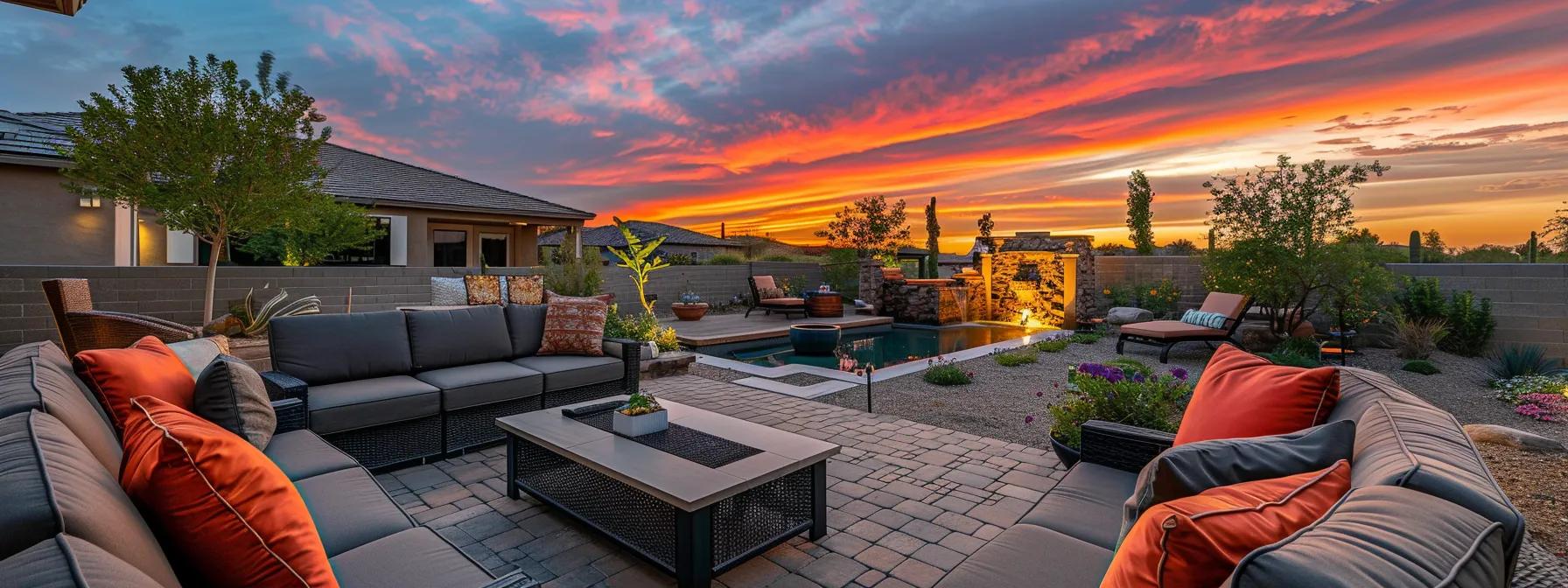
In Prescott Valley, outdoor living spaces provide homeowners with the opportunity to escape the confines of their indoor homes and create a personalized retreat. Local landscape companies prescott valley az are often called upon to design custom patios, decks, and outdoor kitchens that elevate these spaces into unique retreats. This guide explores key elements—from patios and decks to outdoor kitchens and water features—that transform a regular yard into an outdoor oasis.
Outdoor living spaces extend your home’s usable area and create a sophisticated, inviting atmosphere. In Prescott Valley, dedicated spaces for relaxation, entertainment, and functionality complement your overall landscape design by seamlessly integrating hardscape and softscape elements.
Patios are the cornerstone of outdoor design. Constructed from flagstone, brick, or concrete, they offer durable, low-maintenance areas for dining, socializing, or quiet relaxation. A well-designed patio defines your outdoor space, enhancing both usability and property value.
Decks combine traditional craftsmanship with modern design to form elevated platforms for outdoor enjoyment. Options such as composite decking or natural wood finishes offer versatility, safe and slip-resistant surfaces, and proper drainage, ensuring durability and a seamless transition between indoor and outdoor spaces.
Outdoor kitchens are essential for modern backyard living. Equipped with built-in grills, countertops, sinks, and sometimes refrigerators, these areas allow efficient meal preparation while extending your living space outdoors. Their integrated design supports seamless transitions between indoor and outdoor environments.
Fire pits and outdoor fireplaces add warmth and create inviting gathering spots during cool Prescott Valley evenings. Whether opting for a modern minimalist design or a traditional stone fireplace, these features provide functional heat sources and enhance the overall design, while also improving social interactions.
Incorporating water features, such as ponds, fountains, or small waterfalls, creates a tranquil, natural environment. Besides enhancing visual appeal, these elements reduce ambient noise and improve air moisture. Water features, when paired with native plantings, support a cohesive and environmentally friendly landscape.
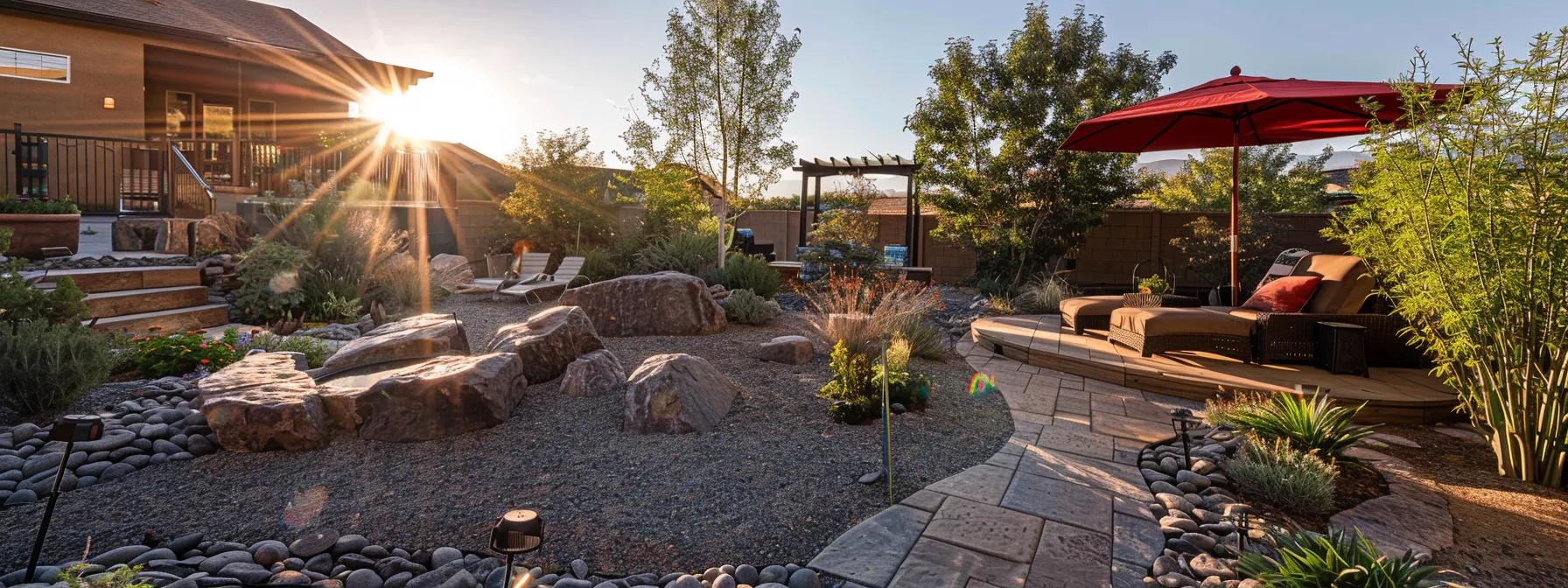
Effective landscape design integrates outdoor living spaces into a cohesive environment that balances hardscape, softscape, and natural elements. Strategic planning—with indigenous flora, water-wise irrigation, and sheltering trees—improves both usability and sustainability, creating a harmonious outdoor experience.
Xeriscaping emphasizes low water usage using drought-tolerant plants and efficient irrigation systems. This modern, sleek technique not only minimizes maintenance but also reduces water bills while complementing patios, decks, and other outdoor living solutions.
Native plants thrive in local soil and climate conditions, requiring less water, fertilizer, and upkeep. Designers recommend combining drought-resistant shrubs, colorful perennials, and shade-providing trees to form a balanced garden that integrates well with pathways and retaining walls.
Proper lawn care in Prescott Valley involves selecting heat-tolerant turf grasses and using aeration, fertilization, and weed control techniques. Incorporating organic composting and efficient drainage systems ensures a vibrant lawn that seamlessly transitions between outdoor spaces and the natural environment.
Sustainable landscaping focuses on eco-friendly practices like rainwater harvesting, solar lighting, and organic fertilizers. Incorporating permeable paving and natural vegetation reduces runoff and improves soil quality, resulting in a lower carbon footprint and increased property value.
Local conditions, such as soil composition and regional regulations, play a key role in outdoor design. Thoughtful planning that considers Prescott Valley’s unique climate and local codes ensures that your design is both beautiful and functional.
Prescott Valley’s semi-arid climate requires materials and plants that withstand temperature fluctuations and limited water availability. Homeowners favor concrete patios and composite decks that resist fading, cracking, and heat buildup, ensuring long-lasting performance.
Compliance with local regulations is crucial. Permits are often required for constructing decks, patios, outdoor kitchens, and water features. Adhering to building codes, from railing requirements to fire-pit clearances, ensures safety and a smooth approval process.
Variable soil conditions, whether sandy or rocky, may require testing and amendments before installation. Using organic materials and soil conditioners enhances nutrient retention and drainage, promoting healthy plant growth and successful landscaping.
Local designers bring in-depth knowledge of regional climate, soil, and regulations. Their expertise helps select thriving plant species, design cohesive structures, and overcome specific challenges, ultimately ensuring a durable and aesthetically pleasing outdoor space.
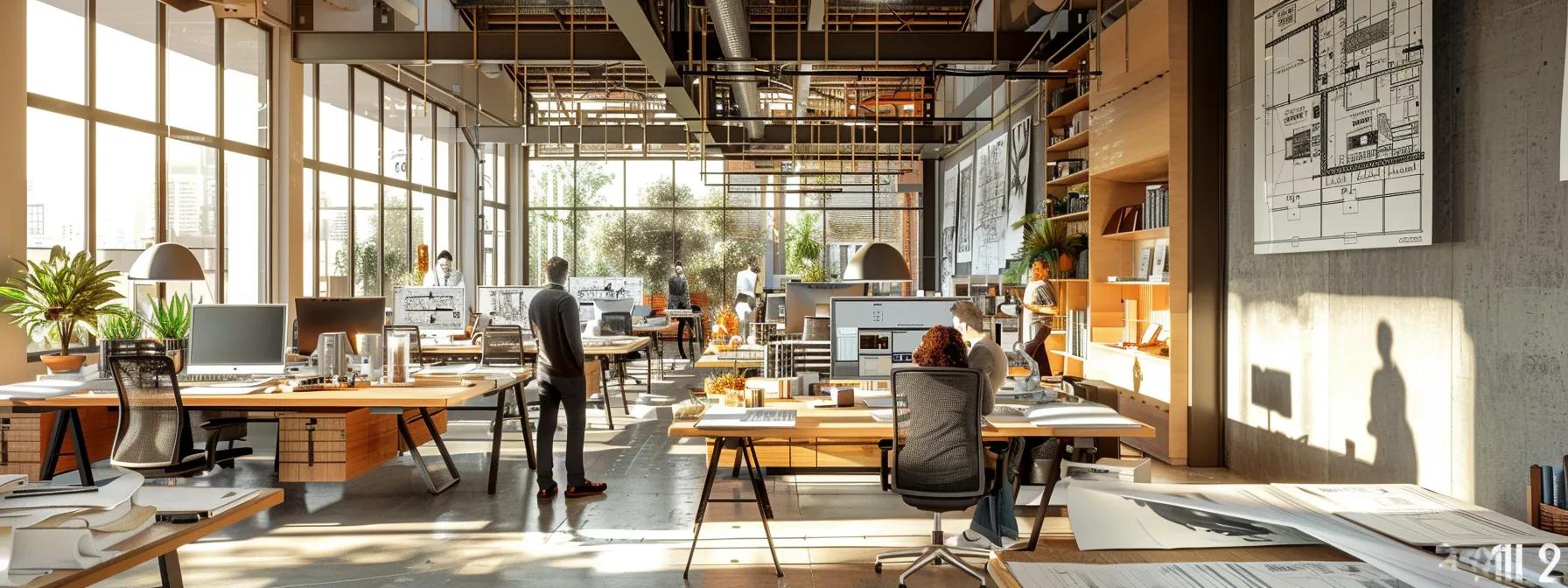
A smooth transformation from concept to reality involves a structured process: consultation, design, construction, and post-installation maintenance. Local specialists tailor every step to address climate challenges and regulatory requirements while meeting homeowner needs.
Designers assess your yard’s conditions, listen to your vision, and offer advice on materials and layout. Initial consultations include a detailed analysis of soil type, sun exposure, and space availability, with clear discussions about costs, timelines, and potential challenges.
During construction, professional contractors ensure precise execution. Site preparation, such as excavation and drainage installation, combined with regular quality checks and adherence to building codes, guarantees a durable and functional outcome.
Seasonal cleaning, lawn care, and irrigation system checks, along with periodic inspections of hardscape features, keep your outdoor space attractive and safe throughout every season.
Case studies provide real-life examples of how modest backyards are transformed into multifunctional spaces. Before-and-after images, timelines, and brief challenge descriptions inspire homeowners by demonstrating successful design solutions.
Project costs depend on material choices, project size, and design complexity. Homeowners must budget for both upfront expenses and long-term maintenance requirements while assessing transparent pricing consultations for value and quality.
Prices vary based on material, size, and intricacy. Investments typically cover site preparation, materials, labor, and finishing, ensuring a durable, aesthetically pleasing finish that adds value to your home.
Specialized installations such as outdoor kitchens and fire pits include appliances, custom cabinetry, counter materials, and safety measures. Although larger projects command higher prices, even basic setups enhance property value and outdoor functionality.
Budget planning for sustainable landscaping involves balancing upfront costs with long-term savings from reduced water bills and maintenance. Local estimates help homeowners choose native plants and cost-effective eco-friendly solutions.
Many local designers offer flexible financing options and free initial consultations, making it easier to plan and implement your outdoor transformation within budget.
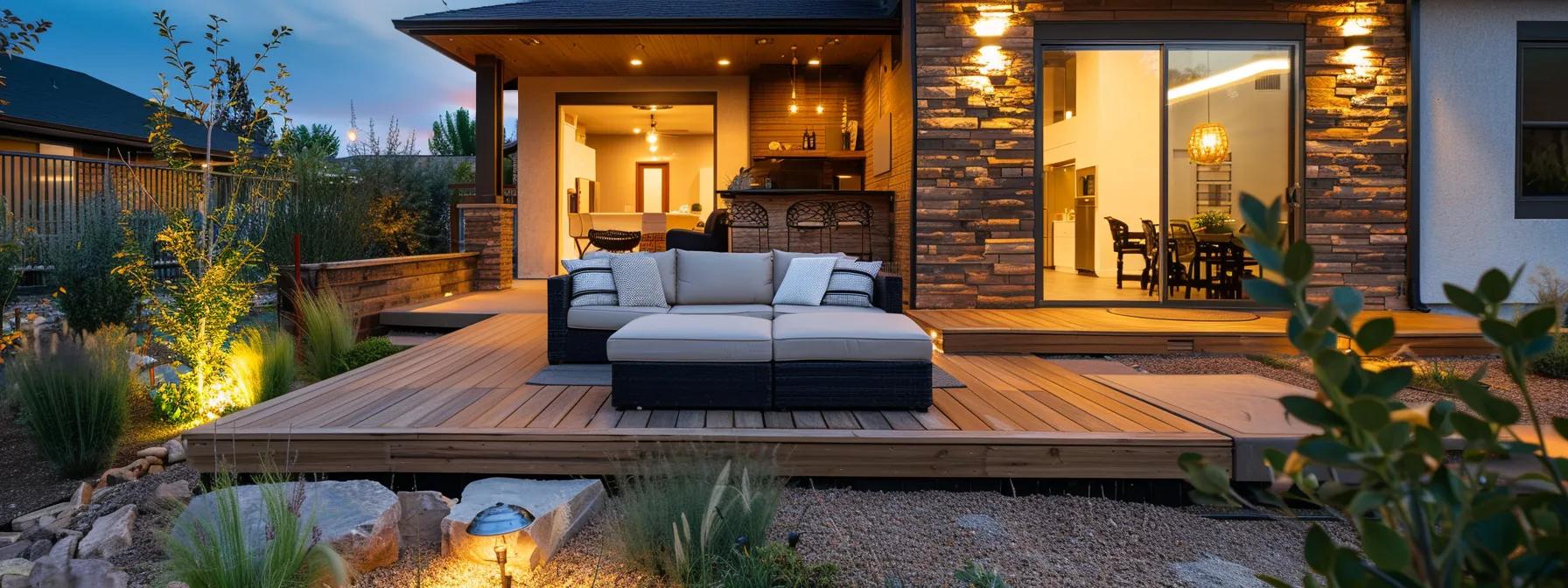
Homeowners often ask questions about materials, costs, and local regulations to better understand the transformation process and plan their projects accordingly.
Select materials that balance durability with low maintenance while complementing local architectural styles to achieve a cohesive outdoor kitchen design.
Maintain your fire pit by performing regular inspections for cracks, ensuring proper clearances, and adhering to local fire regulations to extend its lifespan.
Incorporate drip irrigation, xeriscaping, and native plant selections to reduce water consumption and support environmental sustainability.
Verify local permitting requirements early by consulting Prescott Valley authorities. Understanding these regulations prevents delays and ensures compliance with building codes.
Project timelines range from several weeks to a few months, depending on scope, weather conditions, and material availability.
Begin by contacting experienced landscape professionals. A consultation helps clarify your vision, assess your yard’s conditions, and plan a customized outdoor living space that marries beauty with functionality.
Contact local design professionals via phone, email, or online appointment systems to schedule a free consultation that provides insights tailored to your yard.
Gather details such as yard dimensions, current layout challenges, and inspiration photos, along with information about your soil, irrigation, and previous landscaping efforts.
A tailored plan ensures every element—from patios to water features—is designed to suit your style, budget, and practical needs, maximizing usability and sustainability.
Positive local testimonials validate the expertise of our landscaping company, showcasing high-quality, sustainable outdoor living solutions that transform ordinary yards into extraordinary spaces.
| Item | Feature | Benefit | Consideration |
|---|---|---|---|
| Patio Design | Durable flagstone, brick, concrete | Enhances usability and aesthetics | Low maintenance, weather resistant |
| Outdoor Kitchen Construction | Custom cabinetry, integrated appliances | Boosts outdoor dining and entertainment | Efficient layout, safety compliance |
| Sustainable Landscaping | Native plants, organic fertilizers | Reduces water usage and maintenance costs | Eco-friendly, cost-effective |
Before beginning your transformation, review the table above to balance design priorities with cost and maintenance expectations.
Q: How do I improve my yard’s usability for entertaining? A: Incorporate a patio, outdoor kitchen, and fire feature to create defined, functional spaces for socializing.
Q: What materials work best in Prescott Valley’s climate? A: Durable materials like composite decking, flagstone, and concrete resist extreme weather and reduce maintenance needs.
Q: Can sustainable landscaping really lower my water bill? A: Yes, native plants and xeriscaping techniques minimize water consumption and lower long-term utility costs.
Q: How long does a typical outdoor living project take? A: Timelines typically range from several weeks to a few months, depending on the scope and weather conditions.
Q: Are financing options available for major yard transformations? A: Many local designers offer financing plans or free consultations to help manage costs while achieving your dream outdoor oasis.