
Creating firewise landscaping around your home can improve its chances of surviving a wildfire by up to 90% while enhancing curb appeal and long-term value. This guide delivers actionable wildfire prevention strategies—from defining Firewise landscaping to designing defensible space zones, selecting fire-resistant plants, and integrating hardscaping—so you can safeguard your property in Central and Northern Arizona. Backed by Yavapai Landscaping’s certified wildland firefighter owner and PAUWIC membership, these expert tips will help homeowners and commercial property owners implement proven fuel-reduction techniques, tree services, and maintenance schedules that balance safety with aesthetic design. In the sections below, you will learn:
Firewise landscaping is a strategic design and maintenance approach that reduces wildfire fuel loads around homes by combining defensible space, fuel reduction, and home hardening. By establishing fire-safe buffer zones and using non-combustible materials, property owners can interrupt fire’s path and protect structures. In Arizona’s fire-prone environment, adopting Firewise principles not only mitigates ember intrusion and surface fire spread but also increases firefighter access and safety. Understanding these core concepts paves the way to designing safe landscapes in Yavapai County.
Firewise landscaping, incorporating defensible space, fuel reduction, and home hardening, can significantly improve a home’s chances of surviving a wildfire. This approach reduces the risk of ember intrusion and surface fire spread, while also increasing firefighter safety and access.
This citation supports the article’s core claim about the effectiveness of Firewise landscaping in protecting homes from wildfires.
Firewise landscaping reduces wildfire risk by removing ladder fuels—vegetation that allows fire to climb from ground level into tree canopies—and by creating fuel breaks with non-combustible materials. Clearing underbrush, spacing trees, and choosing low-resin, high-moisture plants disrupt fuel continuity. This approach supports home hardening measures, such as ember-resistant vents and metal roof edging, which together lower ignition potential and provide firefighters a safer operating environment.
Firewise landscaping relies on three interrelated principles:
By integrating all three, homeowners create a cohesive wildfire defense that lowers ignition likelihood and eases firefighting efforts.
Arizona’s arid climate, frequent drought, and mixed conifer forests create conditions for rapidly spreading wildfires. In Yavapai County, seasonal winds can carry burning embers miles ahead of the fire front, making ember-driven ignition the primary threat. Implementing Firewise landscaping tailored to local flora and topography is critical for community resilience and property protection against Arizona’s heightened wildfire risk.
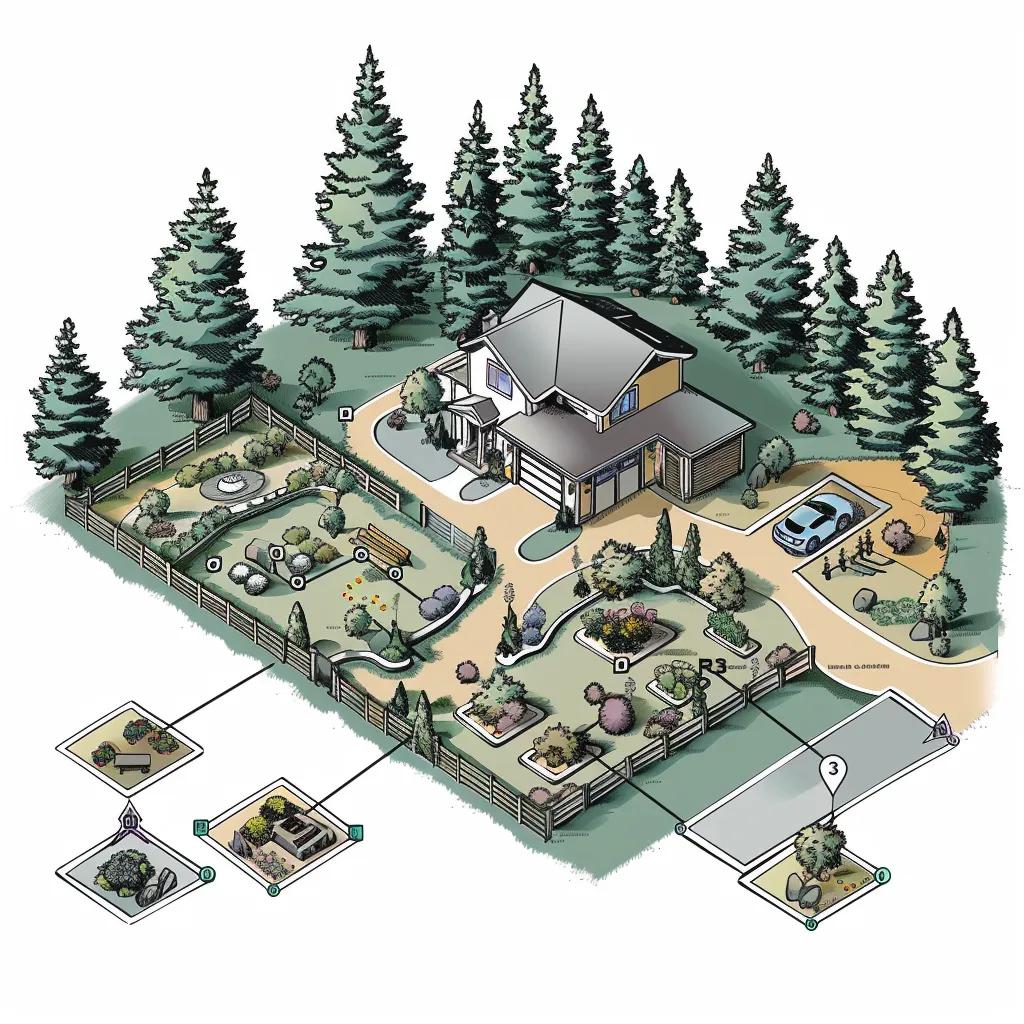
Defensible space involves dividing the area around your home into zones that progressively reduce fuel loads and interrupt fire’s advance. Designing Zones 0 through 3 ensures a layered defense that slows fire, limits ember ignition, and provides safe access for firefighters.
| Zone | Distance from Structure | Recommended Materials |
|---|---|---|
| Zone 0 | 0–5 ft | Non-combustible rock, pavers |
| Zone 1 | 5–30 ft | Well-spaced fire-resistant plants |
| Zone 2 | 30–100 ft | Thinned native vegetation |
| Zone 3 | 100+ ft | Professional forest thinning |
This zone framework transitions from non-combustible surfaces close to walls toward managed wildland areas, setting the stage for plant selection and maintenance strategies.
Zone 0 (0–5 feet) requires a hardscape buffer using stone pavers, gravel, or concrete to eliminate combustible mulch, leaves, or wood chips. Incorporating metal edging and ember-resistant vents in foundation areas prevents ember entry into crawlspaces, creating an impermeable barrier that protects siding and basements.
Zone 1 (5–30 feet) should feature low-growing, fire-resistant plants pruned to maintain clean crowns at least 6 feet above ground. Irrigate regularly to maintain plant moisture. Remove fallen needles and dead branches monthly, and keep shrubs separated by at least twice their height to break fire’s path.
Zone 2 (30–100 feet) focuses on thinning clusters of trees and shrubs to achieve 10 to 30 feet of crown spacing, removing ladder fuels, and introducing native fire-resistant species. Group similar plants together and maintain grass height below 4 inches to reduce surface fire intensity and support wildlife habitat.
Zone 3 (100+ feet) extends fire mitigation into the wildland interface through selective forest thinning and prescribed burning under professional supervision. Managing this outer zone maintains forest health, reduces high-intensity fire risk, and connects community defensible space efforts with broader landscape-scale fire management.
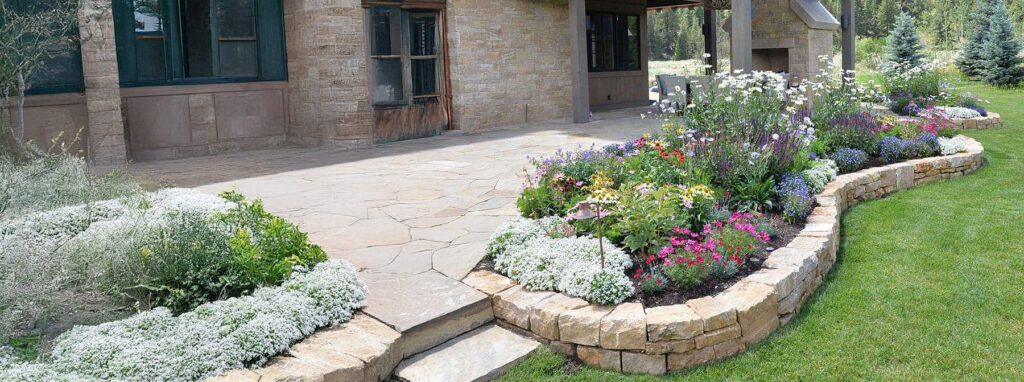
Selecting the right vegetation is vital for fuel reduction and aesthetic integration. Fire-resistant plants exhibit high moisture content, low resin levels, and open branching.
| Plant | Characteristic | Moisture Level |
|---|---|---|
| Agave americana | Succulent rosette | High |
| Yucca faxoniana | Low-canopy, sparse | Medium-High |
| Ocotillo (Fouquieria) | Deciduous, seasonally leafless | Variable |
| Desert Ironwood | Deep-rooted tree | High |
This table highlights native species that combine fire resistance with drought tolerance and visual appeal, leading into species you should avoid.
Native succulents like agave and yucca store water in thick leaves, slowing flame spread. Deciduous shrubs such as desert ironwood retain leaf moisture and drop combustible foliage before peak fire season, reducing available fuel.
Avoid highly resinous and dense-branched plants like juniper, pinyon pine, cedar, and eucalyptus. These species contain flammable oils and accumulate needle litter, significantly increasing fire intensity and ember production around homes.
Fire-resistant plants share these attributes:
Fire-resistant plants are characterized by high moisture content, low resin levels, and open branching structures. These traits help to slow the spread of fire by reducing the availability of fuel and limiting the intensity of flames.
This citation provides scientific backing for the article’s discussion of plant selection and the characteristics that make certain plants more resistant to fire.
Understanding these traits ensures you choose species that maintain landscape health while lowering wildfire risk.
Healthy, well-maintained trees reduce fuel continuity and ladder fuel risks. Proper tree care supports both forest resilience and home safety.
Limbing up lower branches at least 6–10 feet above ground removes ladder fuels that allow ground fire to reach canopies. Crown thinning improves airflow, reducing heat buildup, and creates separation between tree crowns to slow fire progression.
Removing high-risk species with brittle wood or dense canopy—especially those within Zones 1 and 2—prevents sudden fuel surges. Trees infected by pests or disease pose a greater fire hazard and should be assessed and removed by our tree services for wildfire prevention professionals.
Well-hydrated trees resist ignition and slow fire spread. Regular irrigation, mulching around the drip line, and monitoring for disease maintain sap flow and foliage moisture, reinforcing the overall Firewise strategy.
Non-combustible hardscaping creates firebreaks and defensible perimeters that interrupt fuel continuity, supporting plant-based defenses.
Rock mulch, decomposed granite, concrete pavers, and metal edging form durable buffers around structures. These materials prevent ember accumulation and direct surface fires away from vulnerable areas, reinforcing Zone 0 defenses.
Position fire pits at least 30 feet from structures and tree canopies. Use stone or steel fire rings, install non-combustible seating pads, and maintain clear space free of overhanging branches or flammable decor to minimize ignition risk.
Layer hardscape pathways and patios to delineate defensible zones. For example, a gravel pathway can serve as a transition between Zone 1 planting beds and Zone 0 non-combustible surfaces, creating clear firebreaks that protect both house and landscape.
Regular upkeep keeps defensible spaces effective and plants resilient against embers and spot fires.
In spring and summer, prune shrubs and trees, remove dead material, clear debris from gutters and roof lines, and check irrigation systems for optimal plant hydration before peak fire season.
During fall and winter, rake and compost fallen leaves and needles, service hardscape drainage, inspect ember barriers, and replenish rock mulch to maintain non-combustible buffers before dry conditions intensify.
Perform monthly mowing to keep grass below 4 inches, trim ornamental grasses, shred fallen branches into chip mulch used outside defensible zones, and schedule professional clean-ups when accumulations exceed safe limits.
Investing in Firewise landscaping yields both safety and financial returns by reducing insurance premiums and enhancing property value.
| Factor | Attribute | Estimated Impact |
|---|---|---|
| Design & Planning | Customized zones | 10–20% of total project |
| Plant Selection | Mature fire-resistant species | 20–30% of total project |
| Installation & Hardscape | Labor and materials | 40–50% of total project |
| Maintenance | Annual service plans | 10–15% of total project |
This breakdown clarifies where funds are allocated and how ongoing care sustains defenses and aesthetics.
Project costs vary by property size, zone complexity, plant choices, and hardscaping extent. Customized designs that incorporate existing topography and vegetation often reduce overall expenses by leveraging natural firebreaks.
Homes with professionally installed Firewise defenses can qualify for reduced insurance rates—often 5–15% savings—and market faster, as buyers recognize the value of built-in wildfire protection and enhanced curb appeal.
Arizona homeowners may access cost-share grants through programs like Firewise USA, local fire districts, and the Arizona Department of Forestry and Fire Management, which offer financial assistance for defensible space creation and education.
Yavapai Landscaping combines local expertise, wildfire credentials, and full-service capabilities to deliver comprehensive Firewise solutions tailored to Yavapai County.
Our owner is a certified wildland firefighter and an active PAUWIC member, ensuring that each project adheres to the latest interface commission guidelines and wildfire safety standards.
We blend strategic defensible space zoning, native fire-resistant plants, and non-combustible hardscapes into cohesive designs that enhance property beauty while maximizing wildfire resilience.
To assess your property’s wildfire vulnerabilities and receive a tailored Firewise plan, contact us through our online form or call (928) 555-1234. Our team will schedule an on-site evaluation and provide a transparent proposal within 72 hours.
Wildfires demand proactive landscape strategies that combine defensible spaces, fire-resistant plants, and smart hardscaping to protect homes and lives. By following these expert Firewise landscaping tips—grounded in Arizona’s unique climate and terrain—you’ll establish a layered defense that enhances safety and property value. Partnering with Yavapai Landscaping ensures you benefit from certified wildfire expertise, local knowledge, and a commitment to prevention over correction. Get started today to build a resilient, beautiful landscape that stands strong against wildfire threats.
Using native plants in Firewise landscaping offers several advantages. Native species are adapted to the local climate and soil conditions, requiring less water and maintenance compared to non-native varieties. They also provide essential habitat for local wildlife and help maintain the ecological balance. Additionally, many native plants possess fire-resistant characteristics, such as high moisture content and low resin levels, which can significantly reduce the risk of fire spread around your property.
To assess your property for wildfire risks, start by evaluating the vegetation surrounding your home. Look for dense or highly flammable plants, and consider the proximity of trees and shrubs to your structure. Check for ladder fuels, such as low branches that could allow fire to climb. Additionally, inspect your hardscaping for potential firebreaks and ensure that your defensible space zones are properly established. Consulting with a Firewise landscaping professional can provide a comprehensive evaluation and tailored recommendations.
Year-round maintenance for Firewise landscaping includes regular pruning of trees and shrubs to remove dead or overhanging branches, which can act as ladder fuels. In spring and summer, focus on clearing debris, maintaining irrigation systems, and ensuring plants are healthy and hydrated. During fall and winter, rake up fallen leaves and needles, inspect ember barriers, and replenish non-combustible materials. Monthly mowing to keep grass short and scheduling professional clean-ups when necessary are also essential practices to maintain fire safety.
Hardscaping elements, such as stone pathways, patios, and non-combustible barriers, play a crucial role in enhancing fire safety. They create firebreaks that interrupt the continuity of combustible materials, reducing the likelihood of fire spreading to your home. Non-combustible materials like concrete, gravel, and metal can prevent ember accumulation and direct surface fires away from vulnerable areas. By integrating hardscaping with your landscaping design, you can establish a more effective defense against wildfires.
If you have high-risk trees on your property, it’s essential to assess their condition and potential fire hazards. Trees with brittle wood, dense canopies, or those infected by pests or diseases should be considered for removal, especially if they are located within defensible space zones. Consulting with a professional tree service can help determine the best course of action. Regular maintenance, such as pruning and monitoring tree health, can also mitigate risks associated with high-risk trees.
Yes, Yavapai County has specific fire safety regulations aimed at reducing wildfire risks. These regulations often include guidelines for creating defensible space around properties, restrictions on certain types of vegetation, and requirements for maintaining firebreaks. Homeowners should familiarize themselves with local fire codes and consult with local fire departments or landscaping professionals to ensure compliance. Staying informed about these regulations can help protect your property and enhance community safety.
Homeowners in Arizona can access financial assistance for Firewise landscaping projects through various programs. Organizations like Firewise USA, local fire districts, and the Arizona Department of Forestry and Fire Management offer cost-share grants and resources for creating defensible spaces. Additionally, some insurance companies may provide discounts for homes with Firewise landscaping features. Researching these options and applying for available grants can help offset the costs of implementing fire-safe landscaping practices.
arizona forest thinning defensible space grant program homeowner, defensible space landscaping, fire prevention landscaping