
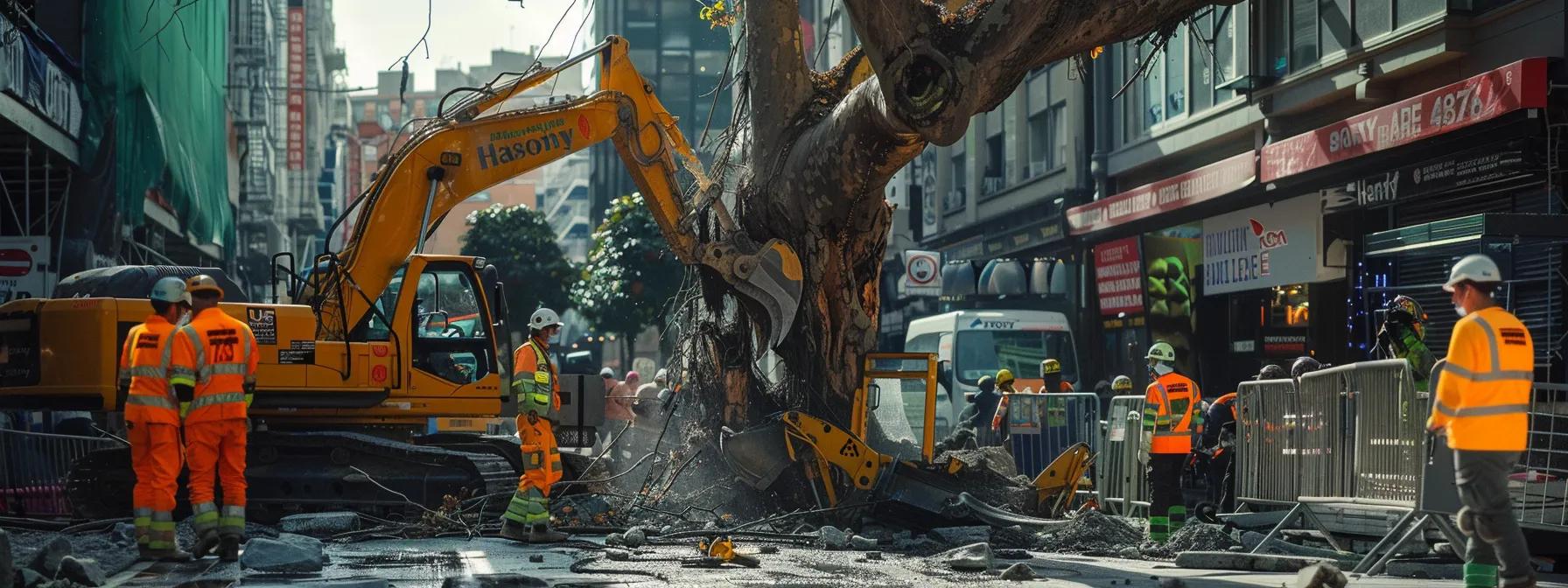
In facing severe weather conditions or unexpected tree hazards, including situations typical in firewise Prescott communities and even in areas such as Talking Rock Golf Club, emergency tree removal becomes crucial to protecting both property and lives. I have witnessed firsthand how a damaged or unstable tree can pose a significant risk to homes, driveways, and the overall safety of a neighborhood. Whether caused by lightning strikes, severe wind events, or pest infestations weakening a tree’s integrity, these emergencies demand a prompt and professional approach. In this article, I will explain what emergency tree removal is and why it is essential; describe the detailed process involved from initial assessment to debris cleanup; explore the common causes of needing such services; discuss the factors that determine cost and the potential need for permits; explain how insurance may help cover expenses; and conclude by sharing why ArborCare Solutions is a trusted expert in emergency tree removal, as detailed on our about-us page. For further context and updates, please refer to our landscaping press releases, which detail recent projects and their community impacts. By understanding each facet of the service, homeowners and commercial property managers in Prescott, Prescott Valley, and Williamson Valley can make informed decisions during times of urgent need. For further inquiries, please visit our contact-us page, ensuring safety while preserving the environment and property value.
When a tree suddenly falls or shows signs of imminent collapse, time is of the essence. In Prescott, prompt intervention minimizes further damage and prevents hazardous situations from escalating, especially when the risk involves areas designated as firewise Prescott zones. Property owners in Prescott-Valley and Williamson-Valley, as well as community organizations like Talking Rock Golf Club, are advised to remain vigilant during such emergencies. In many cases, traditional maintenance methods may not suffice during an emergency. Instead, highly trained arborists deploy specialized techniques, along with state-of-the-art equipment such as cranes, chainsaws, and rigging systems, to safely remove the risk. For further assistance or inquiries regarding emergency procedures, please visit our Contact Us and About Us pages. As I outline the process and key considerations for emergency tree removal, you will gain insights into why this service is indispensable. With real-life examples and detailed explanations, this article ties each element into the broader context of safety, legal liability, environmental concerns, and even post-storm insurance claims—in addition to updates found in our landscaping press releases.
Emergency tree removal is more than just cutting down a hazardous tree—it involves a comprehensive approach that ensures the safety of the surrounding area, prevents further property damage, and addresses debris removal and stump grinding. Residents in firewise Prescott understand the urgency and importance of proper safety checks, and many homeowners in Prescott and Prescott Valley rely on local professionals for immediate action. Throughout the discussion, I detail the multiple phases of the procedure, from initial assessments and safety checks to debris and post-removal site restoration. This reliable service is also trusted by community members, including those at the Talking Rock Golf Club, ensuring rapid and efficient responses when every minute counts. For further support, you can always contact us or visit our about-us page for expert advice, and you might also find valuable insights featured in landscaping press releases. I also share critical information regarding cost variability, permit requirements, and insurance coverage. Understanding these factors is vital for anyone faced with a sudden tree emergency, where every minute counts. With this comprehensive guide, you can be confident in your preparedness to handle such challenges while working with experts who protect your property and well-being, including those serving areas like Williamson Valley.
Emergency tree removal is the rapid, immediate operation undertaken to remove trees that have become hazardous due to damage, instability, or structural defects that threaten property, infrastructures, or lives. In areas such as prescott and prescott-valley, our team follows firewise prescott guidelines to ensure safe and environmentally conscious removal practices. For additional service details, please visit our about-us page and explore our contact-us section for personalized support. We also share landscaping press releases to keep you informed of industry updates and extend our expertise to communities in talking-rock-golf-club and williamson-valley.
This service is critical during and after severe weather events, pest outbreaks, or accidents, especially for residents in prescott, prescott-valley, and williamson-valley areas, because it mitigates threats posed by falling branches, uprooted trees, or entire canopies on structures and power lines. Our firewise prescott strategies further ensure effective prevention and readiness. For more detailed information, please visit our about-us page or contact-us to schedule an assessment, and check our landscaping press releases for the latest updates.
When a tree is damaged by high winds, lightning, or storms, it may develop broken limbs or uprooted trunks that can injure people or damage property. Removing such hazardous trees prevents further accidents and damage, reducing liability for homeowners and property managers. In regions such as prescott and prescott-valley, rapid removal minimizes disruption in areas where trees block access to roadways or utility lines, and even local spots like talking-rock-golf-club benefit from these efforts. Moreover, consulting firewise prescott guidelines and reviewing landscaping press releases can help property owners take additional precautions. Prompt clearance after severe weather also helps avoid legal complications, making emergency tree removal a proactive measure for community safety, structural integrity, and property value. For more details, please contact-us or visit about-us.
Emergency tree removal is necessary when trees show signs of structural instability, visible decay, or damage that could lead to a sudden collapse. Key situations include: – Severe weather events (high winds, lightning strikes) causing limbs to snap or trunks to become unstable. – Damage from pest infestations or disease that significantly weakens the tree’s structure. – Trees that lean excessively or have compromised root systems. – Post-construction accidents or post-storm debris accumulation that creates an imminent risk. – Urban settings where a falling tree could block driveways, fire escapes, or streets.
In these scenarios, prompt removal minimizes further damage and prevents accidents that could affect people, property, or public services.
Removing hazardous trees quickly protects both property and personal safety. An unstable tree can lead to unpredictable falls and branch collapses that damage buildings, vehicles, and infrastructures. Early intervention helps avoid secondary damage, such as compromised foundations or roofs, and reduces legal liability by showing that necessary measures were taken.
In densely populated areas, emergency removal becomes even more critical as one falling tree can potentially injure multiple individuals or disrupt essential services. Moreover, rapid removal facilitates efficient insurance processing, as cleanup and damage control can commence sooner, reducing overall repair costs and accelerating recovery.
Emergency tree removal is executed by highly trained professionals, including certified arborists and specialized tree removal crews. These experts are proficient in safe felling techniques and are equipped with advanced tools such as chainsaws, cranes, rope systems, and stump grinders. Their work complies with strict safety standards and local regulations.
The process begins with a detailed risk assessment. Certified arborists evaluate the tree’s condition and decide whether to prune, cable, or remove the tree entirely. Their expertise minimizes collateral damage to surrounding trees and landscaping. Importantly, emergency tree removal teams usually operate 24/7, ensuring a swift response during critical situations.
The process for emergency tree removal is structured to be swift, safe, and efficient. It unfolds across several systematic steps that ensure every phase—from assessment to site cleanup—addresses potential hazards and restores normalcy.
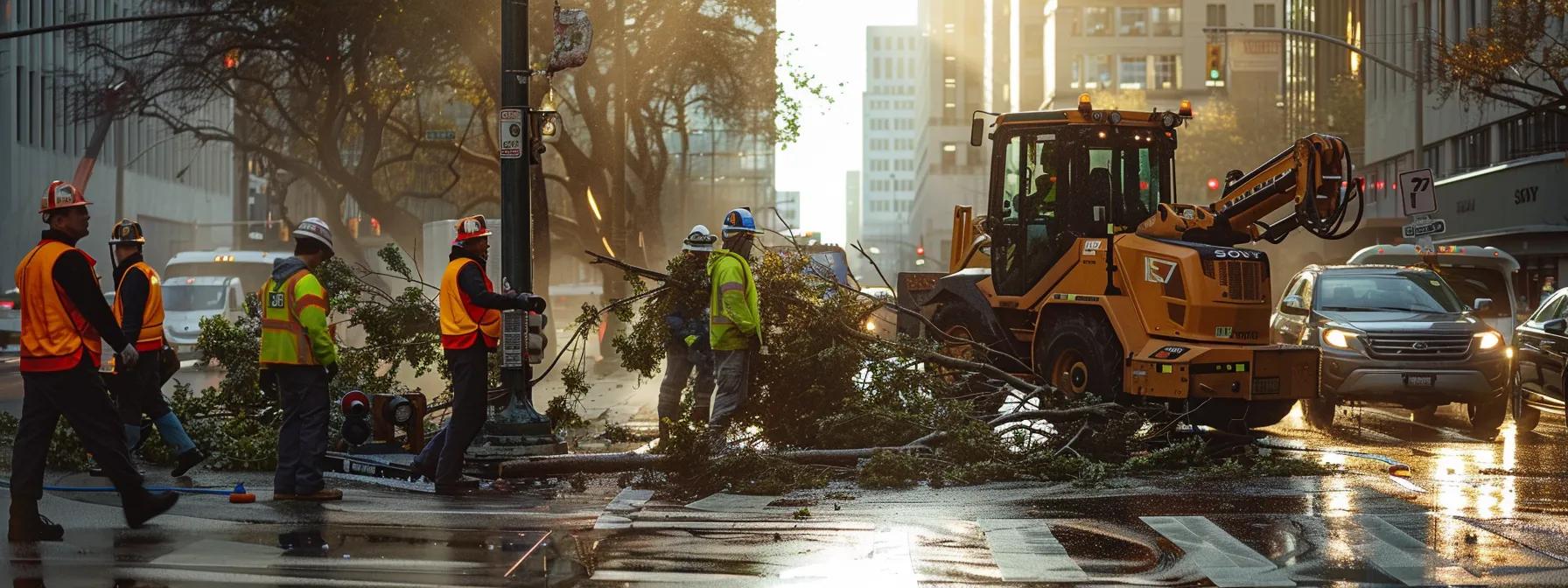
The procedure starts with a comprehensive initial assessment and safety check. Certified arborists and tree service professionals quickly evaluate the tree’s condition, noting signs of decay, structural weakness, pest infestation, and any damage caused by storms or lightning. They also inspect the tree’s proximity to buildings, power lines, and roadways to identify hazards.
This rapid assessment enables the team to develop a tailored action plan that prioritizes safe removal while protecting adjacent property. For example, in a post-storm scenario, a tree with overhanging branches near a house would require immediate removal to avoid risk. Safety checks also include monitoring current weather conditions to prevent further complications during removal.
Once the risk is assessed, the removal process begins with setting up a secure perimeter around the tree. The team then disassembles the tree in controlled sections, starting with limb removal before addressing the trunk. This staged approach reduces the risk of an uncontrolled fall, ensuring that each segment is safely lowered using ropes, rigging systems, or cranes.
The use of specialized equipment, such as chainsaws with anti-kickback features and high-reach cranes, aids in the precise and careful dismantling of the tree. Throughout the removal, the crew maintains constant communication using hand signals and two-way radios to coordinate each cut and movement, which is essential for preventing accidents and reducing collateral damage.
After the tree is removed, the cleanup phase begins. This involves collecting and disposing of all tree remnants—branches, leaves, and trunk pieces—to restore a safe and clutter-free environment. Professional teams use heavy-duty wood chippers and stump grinders; the latter directly grinds the tree stump below ground level to eliminate future hazards and facilitate landscaping.
This debris and stump removal is crucial because leftover materials can attract pests or cause further damage. The final cleanup also typically includes leveling the ground to prepare the area for restoration or replanting, ensuring the site is not only safe but also visually appealing.
Various conditions can necessitate emergency tree removal. Common triggers include: – Environmental storms that cause structural damage. – Pest infestations or diseases that deteriorate the tree’s integrity. – Structural deficiencies, such as cracked or weakened trunks. – Human-induced damage during construction or accidents.
Understanding these causes helps property owners implement timely inspections and preventive maintenance, thereby reducing the risk of emergencies.
Storms can severely damage trees by snapping branches, uprooting trunks, or creating hidden fractures that compromise structural integrity. Even a seemingly healthy tree might hide underlying damage that becomes critical after a storm. Debris from storm-damaged trees can accumulate on rooftops, roadways, or driveways, leading to additional harm. Immediate removal is therefore essential to prevent secondary hazards, such as falling limbs during subsequent weather events, and to mitigate decay from water damage.
Trees in need of emergency removal often show clear warning signs: – Noticeable leaning or tilting. – Visible cracks or splits in the trunk. – Extensive decay or fungal growth. – Missing or broken branches creating an unbalanced canopy. – Exposed or heaving roots at the base.
When these signs occur together, the risk of sudden collapse increases dramatically, warranting immediate professional evaluation to prevent accidents or extensive property damage.
Fallen trees, or sections thereof, create immediate hazards. They can block driveways, damage fences, harm vehicles, and injure individuals. Beyond the initial damage, fallen tree parts may shift further during aftershocks or additional storms. Rapid removal is therefore critical not only to clear the area but also to prevent secondary incidents. Professional removal often involves cutting down the remaining segments in place and a thorough cleanup to eliminate any sharp or dangerous debris.
The cost of emergency tree removal depends on several factors: – Tree size and species. – Location and accessibility. – Extent of storm or pest damage. – Additional services such as debris cleanup and stump grinding. – Local labor rates and regulatory fees.
Understanding these elements helps property owners evaluate quotes and prepare for potential expenses in an emergency.
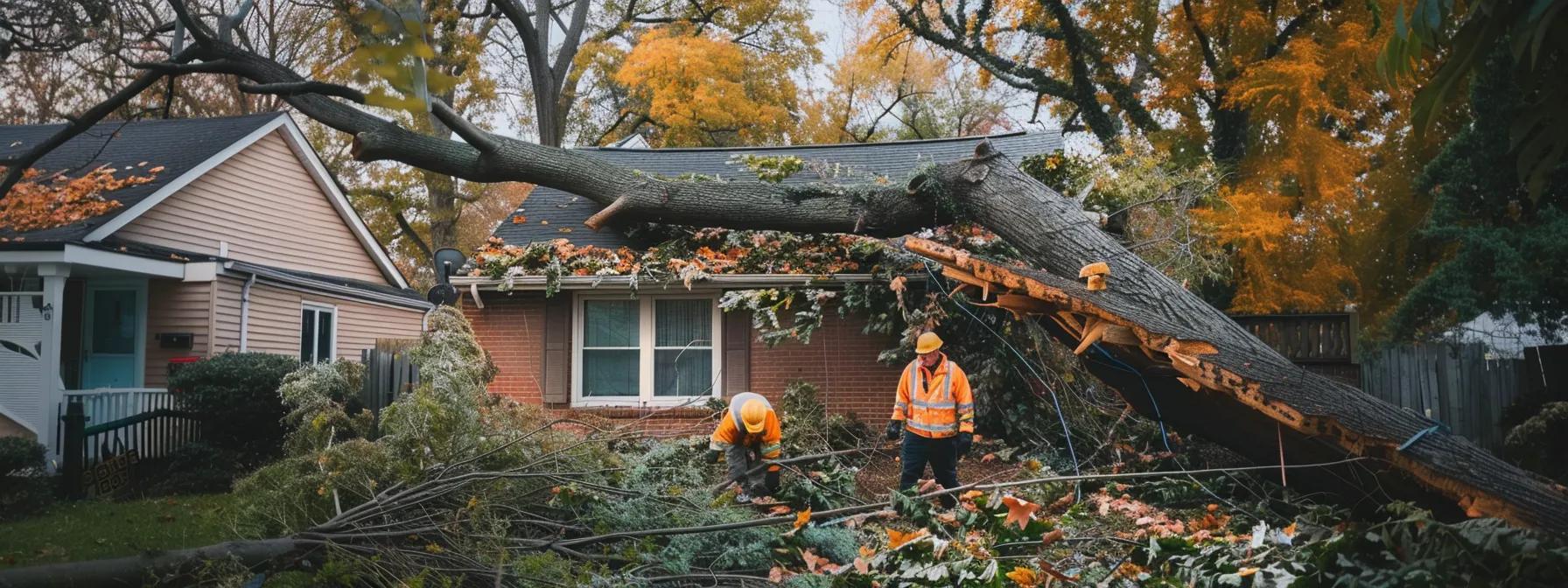
Generally, the removal of a medium-sized tree can cost between $500 and $1,500, while larger or more hazardous trees may incur fees of $2,000 to $3,000 or more. Prices are influenced by the complexity of the job—trees in hard-to-access locations or those requiring special equipment like cranes may be more expensive. Many service providers offer tiered pricing for emergency versus non-emergency conditions, with emergency work reflecting the immediate availability of resources.
Larger trees and those with denser or harder wood (like oak) typically require more labor and specialized equipment for removal. Trees located in urban areas or near structures and power lines present additional hazards and may incur higher charges. For example, a large oak near critical infrastructure might require a crane and extra rigging, substantially increasing the cost. Environmental regulations and permit fees may also add to the overall expense.
Yes, debris cleanup and stump grinding are typically charged as additional services. Stump grinding alone can cost an extra $200 to $500 depending on the stump size and soil conditions. Comprehensive service providers usually package these services together in a single estimate to maintain transparency and ensure the site is safely restored after removal.
Local regulations often require permits for tree removal, even under emergency conditions. Permits ensure that removals comply with environmental guidelines and local ordinances, particularly when trees are located near public spaces or protected areas. Property owners should consult their local municipality to understand requirements and potential retroactive permit processes.
Permits are generally needed when removing trees in protected areas, historical districts, or when a tree meets specific size or species criteria established by local ordinances. Even in emergency situations, if removal might affect public rights-of-way or an urban forest, permits ensure that the process is handled responsibly and legally.
Local permit processes can range from simple online forms to detailed inspections, so working with a professional service provider experienced in local regulations is advisable.
ArborCare Solutions provides support for permit applications, streamlining the process for property owners. Our team coordinates with local municipal offices, handles necessary paperwork, and schedules inspections to ensure compliance with all regulations. This comprehensive support minimizes delays and legal complications during emergency tree removals.
In Austin, TX, permits may be required if a tree is within a specified distance of public utilities, roads, or protected green spaces. Regulations mandate that removals adhere to environmental protection guidelines to avoid ecosystem disruption. Working with a knowledgeable provider like ArborCare Solutions ensures compliance with local rules while protecting both property and the urban landscape.
Many homeowners’ insurance policies provide coverage for tree removal when damage is caused by sudden natural events like storms or lightning strikes. Understanding your policy’s coverage and filing a claim promptly can help mitigate out-of-pocket expenses. Insurance may cover both the removal costs and additional expenses for property damage and cleanup.

Typically, if a tree is damaged by natural forces, insurance will cover the cost of removal when the tree poses a danger to the property. However, coverage may be limited for gradual decay or damage due to poor maintenance. It is important to review your policy closely and consult with your insurance provider to understand specific terms regarding emergency tree removal.
Filing a claim generally involves documenting the damage with photos and professional assessments, then contacting your insurance provider promptly. An adjuster will inspect the damage and determine the coverage amount. Keeping detailed records, receipts, and communications throughout the process is essential for a smooth claims experience and optimal reimbursement.
ArborCare Solutions assists clients with gathering the necessary documentation—including detailed assessments, photographs, and cost estimates—to support insurance claims. We work closely with your adjuster to verify damage and justify the need for immediate removal, helping to resolve claims quickly and efficiently.
ArborCare Solutions is a trusted expert in emergency tree removal, offering a proven track record and rapid response through a dedicated 24/7 service team. With decades of experience in certified arboriculture and advanced tree care, our services ensure prompt hazard removal and long-term property protection. We are committed to customer satisfaction, safety standards, and environmentally friendly practices.
Our 24/7 rapid response service is built on the understanding that emergencies ignore normal business hours. ArborCare Solutions provides immediate responses—day or night—to ensure timely hazard mitigation. We deploy a team of certified arborists and experienced technicians equipped with high-reach cranes and state-of-the-art rigging systems to manage tree emergencies swiftly, reducing property damage and instilling confidence in our clients.
Our certified arborists are extensively trained in tree biology, structural engineering, and emergency removal techniques. They conduct thorough on-site assessments and execute each removal step with precision to avert collateral damage. Their expertise not only minimizes immediate risks but also supports the long-term health of surrounding trees and ecosystems, ensuring that all work meets rigorous industry standards.
We are dedicated to responsible tree removal practices that prioritize both safety and environmental stewardship. ArborCare Solutions ensures that all debris is thoroughly cleared, stumps are ground below ground level, and the site is prepared for future landscaping. Our cleanup efforts include recycling branches and foliage and advising on replanting native species to sustain local ecosystems, reflecting our holistic approach to tree care.
Clients consistently commend our rapid response, clear communication, and professional execution. Testimonials often highlight instances where our swift intervention prevented significant property damages and personal injuries during severe weather events. Our knowledgeable arborists, attentive cleanup, and commitment to safety have built a trusted reputation that continues to attract new customers seeking reliable emergency tree removal services.
Below are several comprehensive lists summarizing key aspects of emergency tree removal services.
| Factor | Description | Influence on Cost | Example Value | Impact Level | Region Specific | Notes |
|---|---|---|---|---|---|---|
| Tree Size | Height and trunk diameter | Higher size increases cost | 30-60 feet tall | High | Varies | Larger trees need more equipment |
| Tree Species | Density and hardness of wood | Tougher wood raises cost | Oak vs. Pine | Medium | Varies | Hardwoods may be costlier |
| Location | Accessibility and proximity to structures | Hard-to-reach trees cost more | Urban vs. Rural | High | Local Impact | Difficult access increases expense |
| Storm Damage Extent | Degree of structural compromise | More damage increases complexity | Severe vs. Minor | High | Regional | Extensive damage requires more labour |
| Equipment and Labor | Use of specialized tools and specialist teams | Advanced tools raise costs | Crane, Chipper | High | National | Highly skilled operators required |
| Cleanup and Stump Grinding | Additional services post tree removal | Additional service fee | $200-$500 | Medium | Local | Often an add-on service |
| Regulatory and Permit Fees | Local fees for permits and environmental disposal | Extra costs charged by authorities | $50-$200 | Low | Municipal | Varies with local laws |
| Equipment | Primary Function | Benefit | Common Use Case | Safety Feature | Efficiency Rating | Maintenance Needs |
|---|---|---|---|---|---|---|
| Chainsaws | Cutting through trunks and branches | Fast, precise cuts | Branch removal | Anti-kickback design | High | Regular sharpening |
| Ropes & Rigging | Securing and lowering tree segments | Controlled descent | Section lowering | High tensile strength | High | Periodic inspection |
| Cranes | Accessing high tree sections | Precise lifting | Urban trees | Remote-controlled operation | Very High | Regular servicing |
| Wood Chippers | Reducing debris for disposal | Fast debris reduction | Post-removal cleanup | Safety shields | High | Frequent cleaning |
| Stump Grinders | Grinding tree stumps into mulch | Efficient stump removal | Complete tree removal | Automatic depth control | High | Routine maintenance |
| Safety Harnesses | Protecting work crews | Minimizes fall risk | All removal stages | Impact-resistant materials | High | Single-use factor |
| Two-way Radios | Coordinating team operations | Clear, constant communication | Emergency coordination | Noise-canceling features | High | Battery replacement |
| Benefit Category | Description | Environmental Impact | Safety Impact | Long-term Value | Critical Situation | Compliance Level |
|---|---|---|---|---|---|---|
| Reduced Property Damage | Minimizes falling debris damage | Protects soil and vegetation | Prevents injury | Enhances property value | Immediate response | High |
| Improved Public Safety | Removes hazardous trees from public areas | Better urban green space | Decreases accident risks | Liability reduction | Public health | Mandatory |
| Sustainable Debris Management | Recycling and safe disposal of tree waste | Converts debris into mulch | Prevents pest infestation | Supports local ecosystems | Environmental risk | High |
| Soil Stabilization | Reduces soil erosion risk | Maintains soil structure | Prevents foundation issues | Enhances landscaping | Stabilized property | High |
| Ecosystem Preservation | Ensures careful removal and replanting | Supports native flora | Reduces ecosystem disruption | Long-term sustainability | Conservation | Regulated |
| Legal Liability Prevention | Complies with permit requirements | Ensures regulatory adherence | Reduces legal risks | Protects property owner | Avoids fines | Essential |
| Enhanced Aesthetic Appeal | Cleans property and opens space for replanting | Promotes urban beautification | Improves community morale | Increases curb appeal | Renovation readiness | Desirable |
This data outlines how professional services benefit both environmental and safety objectives during emergency tree removal.
Q: What exactly qualifies a tree for emergency removal? A: A tree qualifies for emergency removal when it exhibits clear signs of structural instability, severe decay, or storm- or pest-induced damage that poses an immediate risk to nearby structures or people. Unstable growth patterns, large missing branches, deep cracks, and excessive leaning are typical indicators prompting professional evaluation.
Q: How quickly can emergency tree removal services be deployed? A: Most professional tree removal services, such as ArborCare Solutions, offer a 24/7 rapid response. Once a hazardous tree is identified, teams generally arrive within hours to mitigate further damage and ensure safety.
Q: Are there any risks involved in emergency tree removal? A: Yes. Risks include falling debris, equipment mishaps, or inadvertent damage to nearby structures. However, employing certified arborists with proper rigging, controlled felling techniques, and secure perimeters minimizes these hazards significantly.
Q: How does insurance typically handle claims for tree removal due to storm damage? A: Insurance policies often cover tree removal if damage is sudden and linked to a covered event such as a storm or lightning strike. Proper documentation, including photos and professional assessments, is essential for a successful claim. Adjusters then evaluate the incident, and services may be billed directly to the insurer per policy terms.
Q: What should I do if a tree falls on my property during a storm? A: First, ensure your safety by moving away from the area and checking for injuries. Contact emergency services if there is an immediate threat. Then, notify a professional tree removal service to assess and secure the area. Document all damages for your insurance claim and consult with a provider like ArborCare Solutions to manage both the removal process and any necessary permits or post-removal cleanup.