
Are you worried about wildfires threatening your home? Firewise landscaping plays a crucial role in protecting your property by creating effective defensible space. In this post, we will explore the principles of Firewise landscaping, discuss how to choose fire-resistant plants, and highlight maintenance practices that keep your landscape safe. By following these tips, you can enhance your home’s safety while maintaining an attractive outdoor space. Let’s address how you can ensure your property is better prepared against wildfire risks.
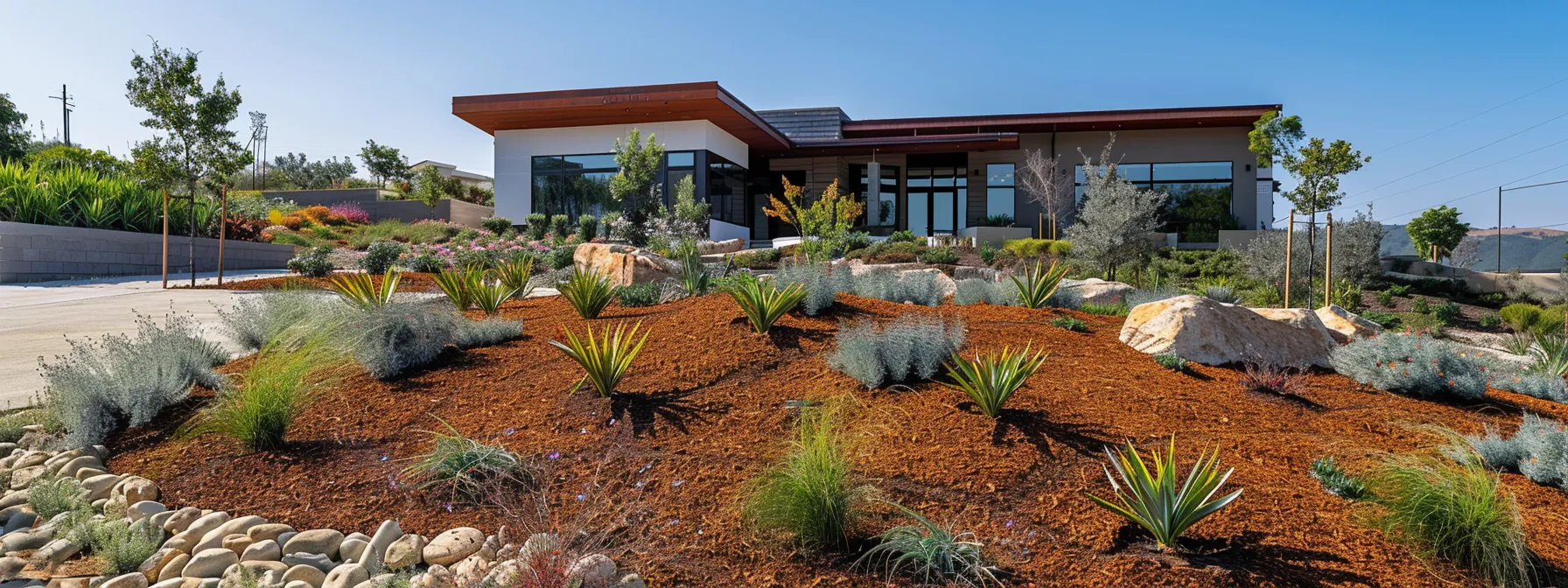
Creating a defensible space around your home is essential for fire safety. Understanding firewise landscaping principles involves recognizing the importance of this space, knowing key components like appropriate mulch and strategic pruning, and assessing fire hazards specific to your area. We will explore these aspects to help you implement **firewise measures prescott**, ensuring your home is better protected.
Establishing a defensible space around your home is vital for enhancing fire safety. This area serves as a buffer that helps protect your property from approaching wildfires, making it essential to assess the vegetation types nearby. For instance, selecting native species like cercis occidentalis, or Western Redbud, can play a significant role in minimizing fire hazards. These plants are well-adapted to the local environment and can be more resilient against invasive species that might spread easily in our region.
Incorporating principles from the California Native Plant Society, I focus on maintaining a clean defensible space by considering not only the types of plants we use but also the materials present, such as wood debris. It’s important to regularly manage this area by pruning overgrown vegetation and removing dead plants. This proactive approach not only decreases fire risk through firewise measures prescott but also improves the aesthetics of your landscape, ultimately helping you feel safer in your home while enjoying the beauty of your surroundings. Learn more in our about us section.
When designing a firewise landscape, it’s essential to choose the right plants to reduce risk effectively. Incorporating deciduous trees can play a significant role in creating a shaded area that limits the growth of flammable underbrush. Additionally, these trees enhance biodiversity by attracting beneficial wildlife, which can help maintain a healthy ecosystem around your home while lowering fire hazards.
Another critical aspect of firewise design is home hardening, which involves reinforcing your structure against potential threats. I recommend inspecting areas like your chimney and roof for any debris that could catch fire and ensuring that vents are covered with screens to prevent embers from entering. Implementing these strategies not only protects your property but also contributes to the overall safety of your neighborhood.
Assessing fire risk in your area starts with understanding the local environment and its specific challenges. I often consult with fire safe councils and the local fire department to gain insights about common hazards. Knowing whether your landscape includes flammable species, like certain oaks, helps inform my decisions on plant selection and maintenance. Such collaboration enhances my efforts in creating a safer defensible space for my clients’ homes.
Another vital step in evaluating fire risk involves inspecting the topography and potential erosion issues around your property. Areas with steep slopes can experience increased fire behavior, making it crucial to address these challenges proactively. By incorporating native plants and strategic irrigation methods, I help my clients stabilize the soil while supporting local wildlife, ultimately leading to a more resilient landscape that stands up to fire threats.
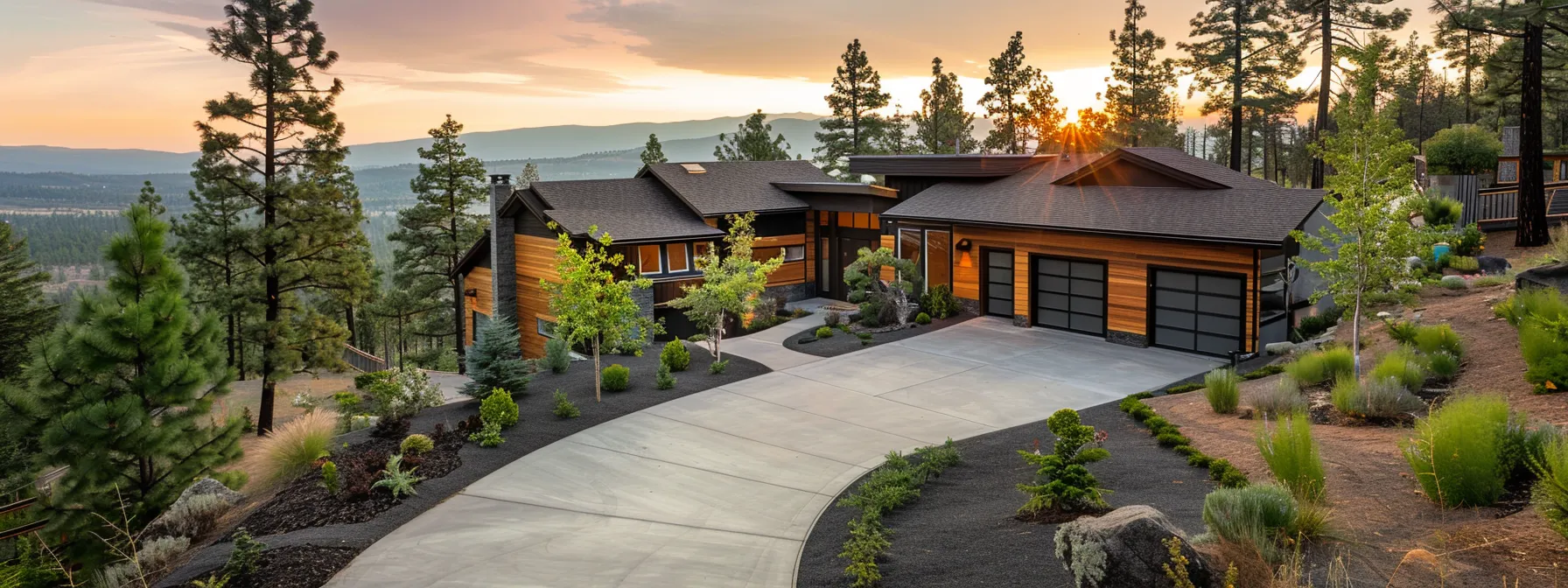
Identifying the three zones of defensible space is essential for effective fire safety. In Zone 0, I focus on moisture management near the home, ensuring a clean and safe area. Zone 1 involves defensible landscaping, which includes thinningevergreen plants and creating a buffer with non-flammable materials. Meanwhile, Zone 2 emphasizes fuel reduction strategies that harmonize with the natural environment, ultimately reinforcing the construction of a protective barrier around your home.
When identifying the three zones of defensible space, I emphasize the significance of clearly defining each area to ensure effective fire prevention. In Zone 0, I focus on maintaining a clean, fire-resistant area around the home, paying special attention to debris on the roof and gutters that could catch embers. This proactive approach helps minimize the chances of flames reaching your property.
Zone 1 requires careful landscaping choices, including the use of non-flammable groundcovers and the strategic pruning of shrubs and vines to prevent direct contact with your home. I often recommend mixing plant types and incorporating fire-resistant materials to create a buffer that enhances safety. This thoughtful planning helps protect your home from potential fire threats while maintaining an attractive landscape.
In Zone 0, it’s essential to focus on maintaining a clean and safe area around your home to reduce fire risks. I recommend utilizing drip irrigation systems to keep your landscaping hydrated, particularly during high heat periods. This not only helps prevent dry vegetation but also reduces the chances of flames reaching your property by ensuring that your plantings remain lush and healthy.
Integrating hardscape elements like stone pathways or resin patios can further enhance safety by minimizing flammable materials near your home. These surfaces prevent the buildup of dry debris and encourage a lower risk of fire spread. By making thoughtful choices in this zone, I help homeowners create a protective buffer that keeps their property safer from potential fire threats.
In Zone 1, defensive landscaping is key to ensuring safety around your home. I focus on selecting fire-resistant plants and carefully pruning them to maintain a safe distance from structures like decks and patios. Utilizing a mower to keep the grass trimmed reduces potential fuel for fire and helps keep the area looking tidy, enhancing your landscape design while prioritizing safety.
Maintaining healthy soil is crucial in Zone 1 as it supports the growth of resilient plants that can withstand local fire conditions. I encourage homeowners to be mindful of irrigation practices, ensuring plants remain well-hydrated during dry periods. This proactive approach not only adds beauty to your landscape but also significantly contributes to firewise in prescott, protecting your home and loved ones.
In Zone 2, I focus on implementing effective fuel reduction strategies to minimize fire risks around your property. One key strategy is to reduce the density of conifer trees and brush, as these can create a fire ladder, allowing flames to quickly reach your home. Incorporating perennial plants that thrive in our local climate can enhance the beauty of your landscape while serving as a barrier against flames. These plants require less maintenance and can significantly decrease the amount of flammable material in your yard.
Another effective tactic is to regularly manage underbrush and dead vegetation, which can become highly combustible. I encourage homeowners to clear away any brush or debris close to the house and to maintain healthy, well-trimmed plants that are strategically spaced. This approach not only helps prevent the spread of fire but also promotes a vibrant and visually appealing landscape that you can enjoy year-round.
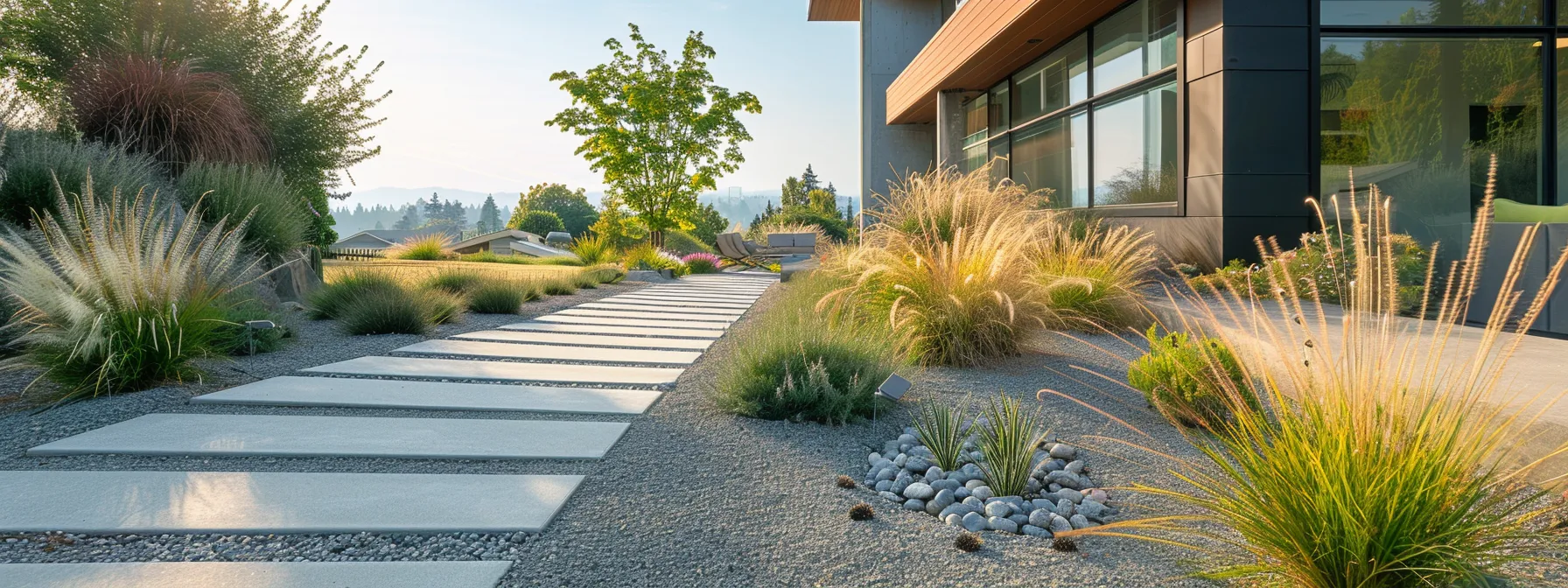
Choosing fire-resistant plants is crucial for creating an effective defensible space around your home. I’ll cover the characteristics that make plants resilient to flames, recommend specific flora that enhances fire protection, and discuss proper placement strategies to minimize risk. Additionally, I’ll highlight how incorporating hardscaping elements like concrete and gravel can significantly support your landscape maintenance efforts and improve safety.
Firewise plants possess specific characteristics that make them ideal for creating a defensible space around your home. These plants typically have high moisture content, which helps reduce their flammability and creates a natural firebreak. I often recommend incorporating species that are well-adapted to our local climate, ensuring they thrive while providing additional protection against wildfires. This careful selection is critical in minimizing risks, especially in areas prone to fire, allowing homeowners to feel safer, knowing their landscaping supports fire prevention efforts.
Another important aspect of firewise plants is their ability to withstand local environmental conditions, including droughts and high winds. For instance, I focus on choosing native flora that not only enhances the beauty of your landscape but also enhances your property’s resilience against flames. By understanding the relationship between these plants and fire safety, clients can effectively protect their homes while maintaining an aesthetically pleasing yard that reflects their personal style.
When selecting fire-resistant flora, I recommend focusing on plants that thrive in our climate while minimizing fire hazards. Native species, such as the desert marigold and California lilac, are excellent choices because they are well-adapted to our environment and have lower moisture content, which can decrease flammability. These plants not only beautify your lawn but also serve as a barrier against potential fire threats, minimizing the chances of flames using them as a ladder to reach your home.
Incorporating rubber mulch around these fire-wise plants can further enhance safety by reducing debris buildup and creating a fire-resistant zone. This combination protects your property while ensuring that maintenance is manageable. By choosing the right plants and materials, I help homeowners establish a resilient landscape that aligns with firewise principles, offering peace of mind during fire season.
Proper plant placement is vital for minimizing fire risks around your home. I prioritize positioning fire-resistant plants like low-growing shrubs away from flammable structures, such as fences made of wood. Ensuring a distance of at least 5 feet between these plants and your home can significantly reduce the chances of flames reaching your property, especially during a red flag warning when fire conditions are heightened.
Incorporating an effective irrigation system further supports the health of your fire-resistant plants while providing a safeguard against fire hazards. Using compost in the soil helps retain moisture, making sure plants like pines stay hydrated and less flammable. By carefully planning the placement of your plants and utilizing the right irrigation techniques, I create a landscape that not only enhances your outdoor space but also provides crucial fire protection.
In my experience, hardscaping plays a crucial role in enhancing fire safety. Utilizing materials such as granite for driveways, walkways, and patios helps minimize flammable surfaces in your landscape. These non-combustible elements create a buffer around your home, decreasing the overall density of combustible materials, which can significantly reduce fire risk, especially during windy conditions that may carry flames or embers toward your property.
Furthermore, incorporating hardscaping features can support fire-resistant landscaping strategies. For instance, designing spaces that include stone walls or gravel beds can effectively suppress the growth of flammable shrubland and other vegetation near your home. This strategic placement enhances your efforts to create a defensible space, protecting your property while simplifying maintenance by reducing areas that require regular upkeep.
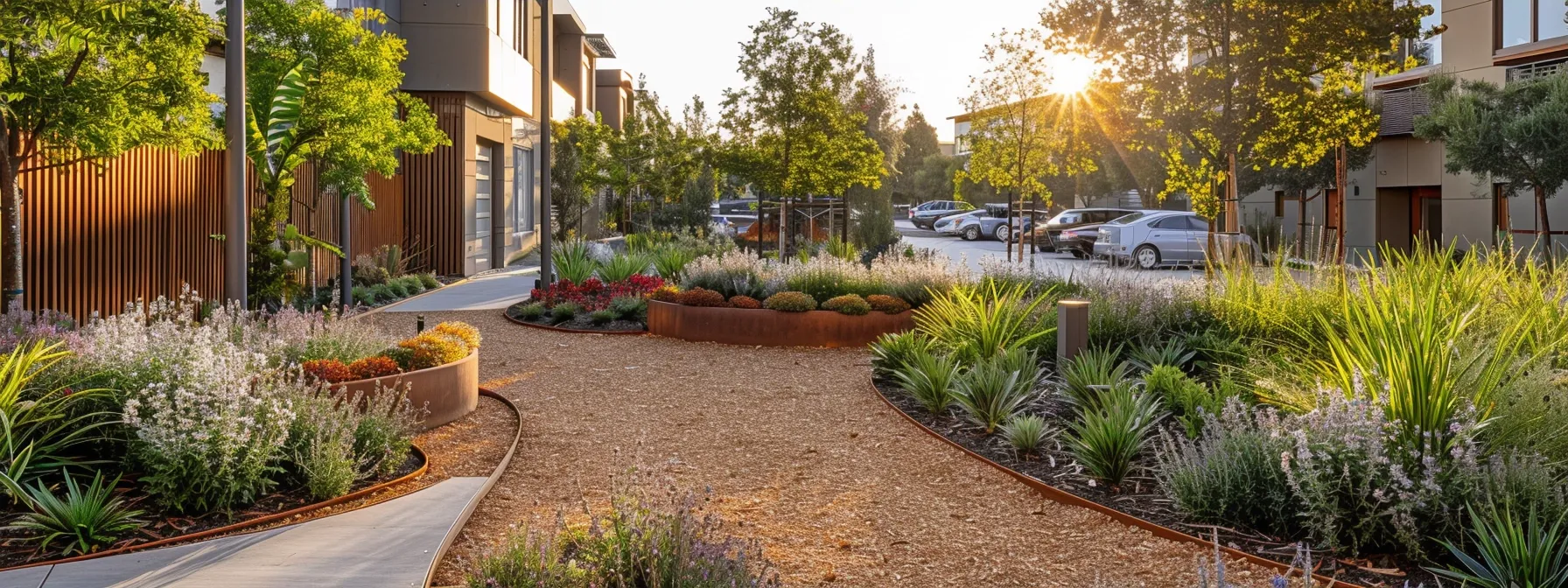
Regular inspections and upkeep are essential for maintaining a firewise landscape, reducing fire risk around your home. I emphasize seasonal clean-up techniques to keep your property safe and visually appealing. Additionally, managing vegetation growth is crucial in sustaining a healthy ecosystem while preventing the spread of flames. Each of these practices contributes significantly to minimizing fire hazards and enhancing the overall resilience of your landscape.
Regular inspections of your landscape are crucial for maintaining a firewise environment around your home. I recommend checking your patio and surrounding areas for any accumulated debris, such as dead leaves or branches, which can serve as fuel in the event of a wildfire. By ensuring that these spaces remain clear and free of flammable materials, you actively reduce the risk of fire spreading toward your property.
Incorporating native species into your landscape is a wise choice, but it is important to monitor their growth and health regularly. I advise reviewing the condition of these plants to ensure they thrive while contributing to fire prevention efforts. If you notice any unhealthy or overgrown vegetation, it’s time to take action. Should you need help, feel free to contact us; we can provide guidance and professional support to keep your landscape safe and beautiful.
Implementing seasonal clean-up techniques is fundamental in maintaining a firewise landscape. I focus on removing accumulated debris, such as fallen leaves and dead branches, that can serve as flammable material during fire season. Regularly inspecting areas around your habitat helps ensure that any bark or lumberdebris is cleared away, reducing potential fire hazards. This proactive approach not only safeguards your property but also enhances the overall aesthetic of your landscape.
I also recommend collaborating with your local fire department for guidance on effective seasonal practices tailored to our county‘s specific fire risks. Their insights can be invaluable in determining the best strategies for managing vegetation, ensuring that your yard remains a safe space. By following these seasonal clean-up techniques, you create a defensible space that protects your home and supports the health of the local ecosystem.
Managing vegetation growth is essential to maintaining a firewise landscape. During periods of drought, I focus on keeping plant growth well-regulated to prevent the formation of a “fuel ladder,” which can allow flames to spread from the ground to taller vegetation and threaten your home. Regularly trimming overgrown plants and strategically removing low branches on trees can significantly reduce this risk, ensuring that your property remains a safe environment during fire season.
I recommend leveraging resources from organizations like ANR to gain insights into effective vegetation management practices specific to our region. By understanding the local flora and its fire risks, I can help homeowners implement targeted strategies to sustain healthy landscapes. This includes understanding how to select plants that are not only drought-resistant but also help decrease fire hazards around your property.
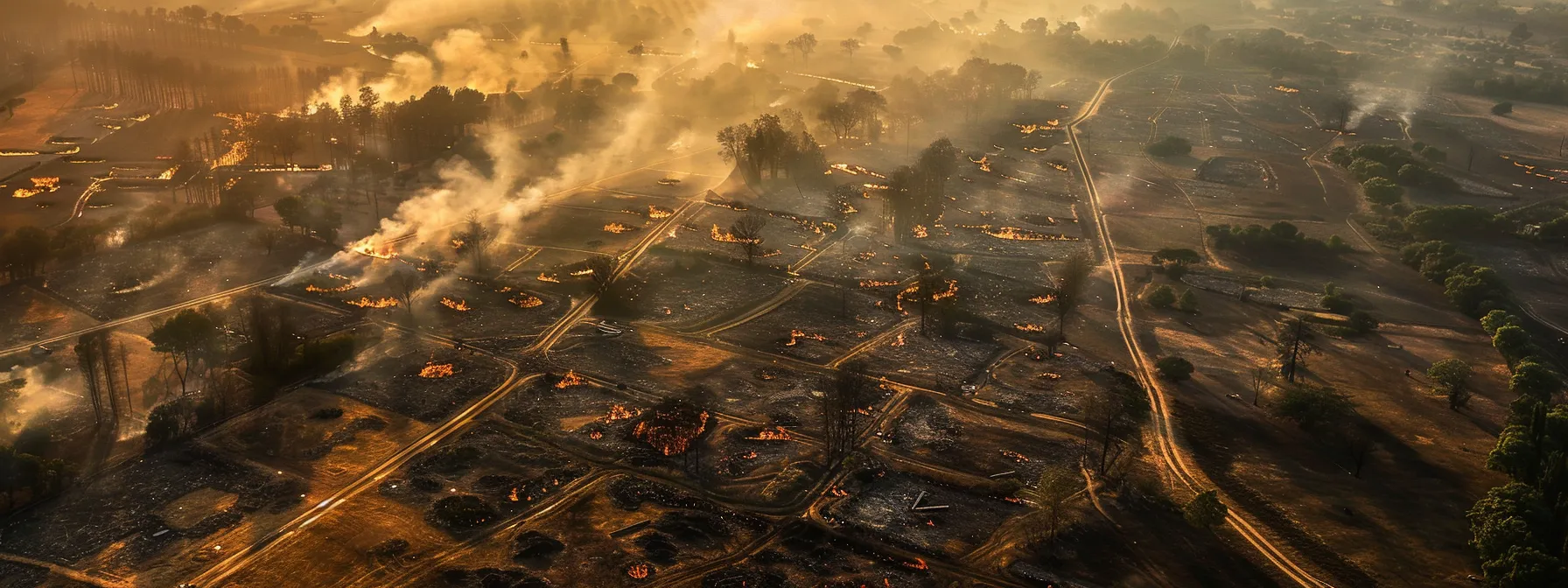
Creating clear pathways and access areas is essential for ensuring safety during a fire event. Firebreaks serve an important function by acting as barriers against flames, while community involvement plays a key role in enhancing overall wildfire preparedness. In the following sections, I will discuss the significance of these strategies and how they can be integrated into your firewise landscaping plan to protect your home effectively.
Creating clear pathways and access areas around your property is a fundamental aspect of firewise landscaping. These pathways not only provide a safe space for emergency responders to access your home during a wildfire but also serve to slow the spread of fire. I suggest designing paths made of hard materials such as stone or gravel, as these non-combustible surfaces help reduce flammable debris accumulation while enhancing visibility for quick assessments of your landscape.
Furthermore, I emphasize the importance of maintaining these access areas by regularly clearing any overhanging branches and thick vegetation that could obstruct movement. Keeping these spots well-maintained ensures that emergency vehicles can reach your home swiftly if needed. By integrating this proactive approach into your landscaping plan, I help homeowners strengthen their overall fire safety while creating functional and aesthetically pleasing outdoor spaces.
Firebreaks play a critical role in enhancing fire safety around your property by acting as barriers that disrupt the continuity of combustible materials. Essentially, these clear zones can slow down or stop the spread of flames, giving you and emergency responders valuable time to act during a wildfire incident. I recommend creating firebreaks using non-flammable materials such as gravel, stones, or even concrete to increase their effectiveness against encroaching flames.
Maintaining these firebreaks is just as important as establishing them. Regular inspections and upkeep help ensure they remain clear of vegetation and debris that could contribute to fire risks. I often advise homeowners to incorporate firebreaks strategically within their landscaping plan, aligning them with other firewise measures to create a comprehensive safety strategy that protects your home while enhancing overall landscape aesthetics.
Community involvement is essential in enhancing wildfire preparedness, as it fosters a sense of shared responsibility among residents. By participating in local fire safety programs or initiatives, I encourage my neighbors to collaborate in clearing overgrown vegetation and promoting firewise landscaping practices. This collective effort not only strengthens individual defensible spaces but also creates a more fire-resilient neighborhood, reducing risks for everyone involved.
Engaging with local fire departments and attending community meetings on fire safety can provide valuable insights into managing our landscapes. I often share information from these sessions with my clients, highlighting critical actions they can take to protect their homes. Together, we can build a robust network focused on wildfire prevention that supports both personal safety and community resilience, ensuring we are all prepared when faced with fire threats.
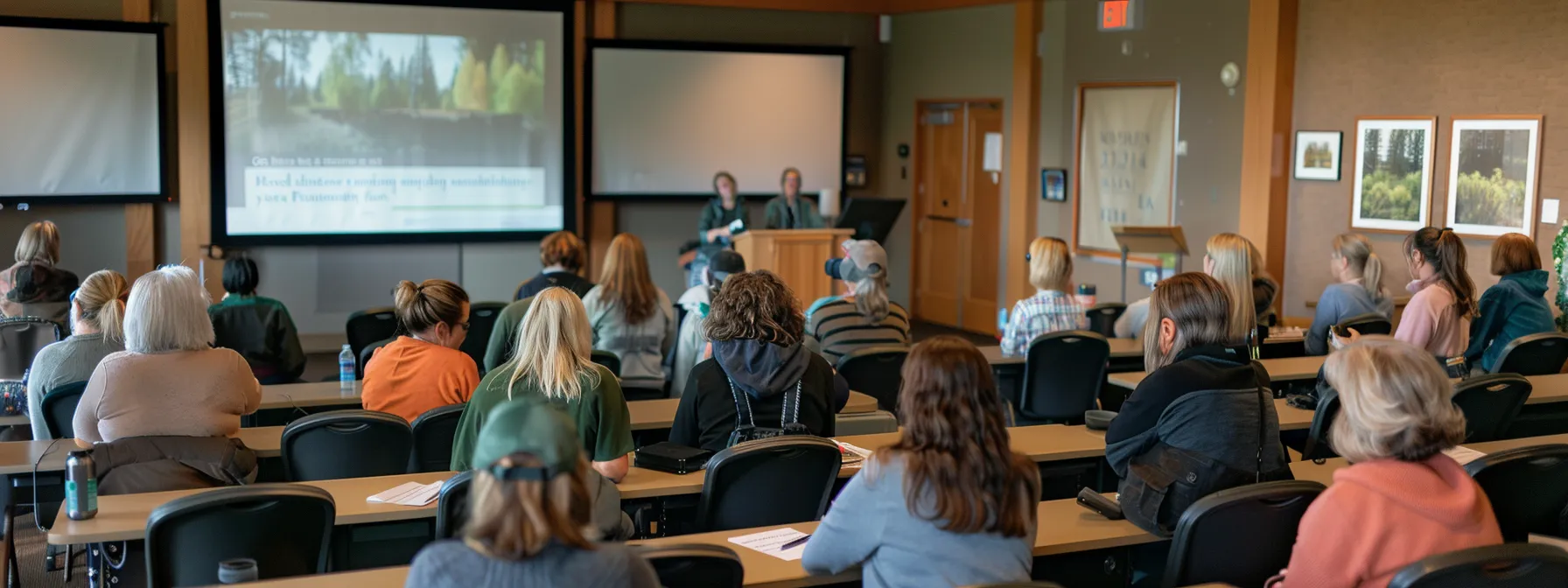
To enhance your firewise landscaping efforts, I recommend utilizing various resources. Explore fire safety organizations and informative websites that offer valuable guidance. Your local fire department can provide specific resources tailored to our area, and community workshops offer hands-on training sessions that emphasize practical strategies. These options will empower you to reinforce your defensible space effectively.
To elevate your firewise landscaping knowledge, I recommend connecting with local fire safety organizations and websites dedicated to wildfire prevention. These resources provide valuable information on best practices for creating defensible space around your property. Engaging with organizations such as the National Fire Protection Association (NFPA) can offer guidelines tailored to our region, focusing on how to effectively reduce fire risks through smart landscaping choices and regular maintenance.
Additionally, many local fire departments have dedicated resources that include detailed guides, community workshops, and events focused on fire safety education. I encourage homeowners to leverage these opportunities for hands-on learning and to connect with experts who can provide insights specific to Prescott’s environment. By participating in these programs, you can gain practical skills and knowledge that will enhance your firewise efforts and contribute to the overall safety of our community.
Local fire departments offer valuable resources that can significantly enhance your firewise landscaping efforts. They often provide tailored materials on fire safety strategies specific to our area, including detailed guides about maintaining defensible space. By reaching out to your local fire department, you can gain insights into the particular fire risks in Prescott and learn how to effectively implement fire prevention measures on your property.
Additionally, many fire departments organize community workshops and events focused on educating residents about firewise practices. These sessions often include hands-on training that empowers you to address common landscaping challenges while fostering a safer environment. Participating in these educational opportunities not only strengthens your defensive strategies but also helps cultivate a sense of community as we all work together to mitigate fire hazards.
Participating in community workshops allows homeowners to gain hands-on experience with firewise landscaping practices. These sessions often cover critical topics, such as how to create and maintain defensible space around your property, and provide practical demonstrations. I find that interacting with local fire safety professionals and learning about their experiences helps me to implement effective fire prevention strategies, ensuring my own landscape is resilient against fire threats.
In these workshops, I encourage attendees to ask questions specific to their properties and climates, creating a collaborative learning environment. This personalized instruction can lead to a deeper understanding of local fire risks and the best practices for addressing them. By engaging with community resources, I’ve been able to enhance my landscaping efforts while supporting a network of neighbors committed to fire safety.