Sustainable Landscaping: Eco-Friendly Design for the Future
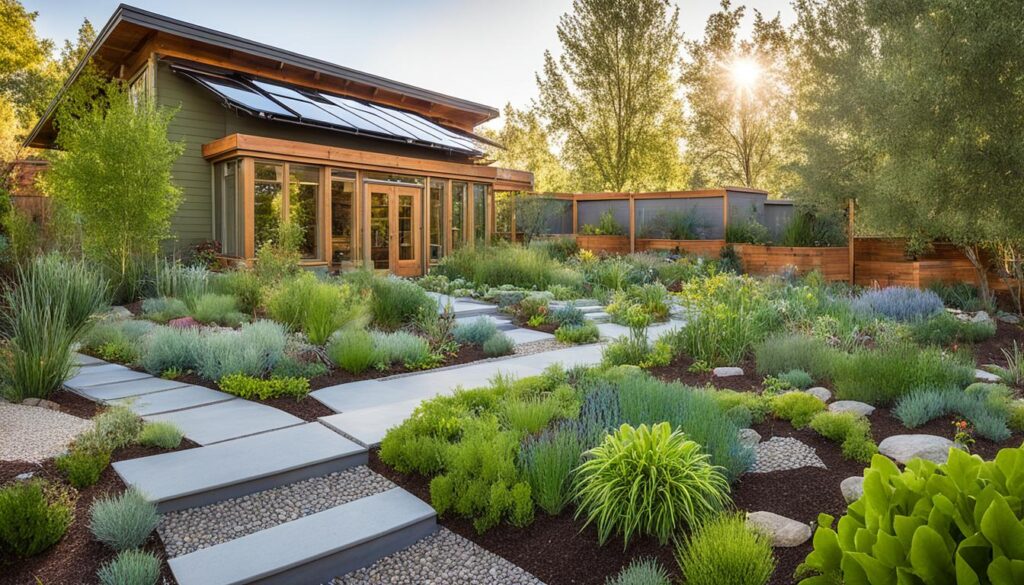
In today’s eco-conscious world, sustainable landscaping is key. It makes outdoor spaces beautiful yet earth-friendly. Designers use native plants and drought-tolerant plants, rainwater harvesting, and permeable paving. They also apply xeriscaping and green roofs. These methods help minimize harm to the planet.
This approach also includes integrated pest management and composting. Designers focus on biodiversity. This ensures that landscapes have a positive effect on nature. It all comes together to create stunning, eco-friendly designs.
Incorporating native and drought-tolerant plants can reduce water consumption and maintenance.
Rainwater harvesting systems collect and store rainwater for irrigation and non-potable uses.
Permeable paving allows water to infiltrate the ground, reducing stormwater runoff.
Xeriscaping techniques emphasize water-saving strategies for arid and semi-arid regions.
Green roofs provide insulation, mitigate the urban heat island effect, and create wildlife habitats.
Integrated pest management combines eco-friendly strategies to control pests effectively.
Understanding Sustainable Landscaping
Sustainable landscaping is a way to create and care for outdoor areas that are earth-friendly. It saves water for plants that don’t need a lot of it and with smart irrigation. This method cuts down on using gas for tools and also lessens how often you need to work on the area. In addition, it helps local animals by giving them a place to live and lowers the harm to the planet by choosing materials wisely. Immerse yourself in the brilliance of this enlightening article.
Benefits of Sustainable Landscaping
Choosing sustainable landscaping has many pluses for homeowners and the planet. It saves water with certain plants and smart water use practices. The method also uses less energy, creates homes for wildlife, and helps the environment by reducing waste and pollution.
Principles of Sustainable Landscape Design
This type of design aims for beauty that works with nature, not against it. The focus is on using local plants that need less water and care. It also manages water well, keeps the soil healthy, supports many kinds of plants and animals, and values reducing our waste.
Principle
Description
Benefits
Native Plant Selection
Using plants naturally adapted to the local climate and soil conditions.
Reduced water needs, lower maintenance, and enhanced habitat for wildlife.
Water Management
Implementing strategies like rainwater harvesting, efficient irrigation, and xeriscaping.
Water conservation, reduced runoff, and lower water bills.
Soil Health
Promoting healthy soil through composting, mulching, and organic matter incorporation.
Improved soil fertility, structure, and water-holding capacity.
Biodiversity
Creating diverse habitats for various plant and animal species.
Balanced ecosystem, enhanced natural pest control, and environmental resilience.
Sustainable Landscaping Techniques for Modern Designs
Sustainable landscaping uses eco-friendly methods for beautiful outdoor spaces. It saves water, energy, and wildlife habitats. Homeowners and pros make a big difference with these strategies.
Choosing Native and Drought-Tolerant Plants
Native and drought-tolerant plants reduce the need for lots of water and chemicals. They support local wildlife, like bees and birds. Selecting the right plants means less work and a healthier environment.
Implementing Rainwater Harvesting Systems
Collecting rainwater reduces water waste and bills. It’s good for the earth. Systems include barrels, tanks, and more. They keep your plants happy without using drinking water.
Incorporating Permeable Paving
Permeable paving lets water soak into the ground. It avoids runoff and helps with flooding. Driveways and walkways can still look great while being eco-friendly.
Practicing Xeriscaping
Xeriscaping uses plants and systems that need little water. It’s perfect for dry areas. This approach saves water without sacrificing a nice yard.
Utilizing Green Roofs
Green roofs use plants on top of buildings. They keep the inside cool, help with rain, and make homes for bugs. Energy use goes down with these roofs, and the area is more pleasant for all.
Adopting Integrated Pest Management
IPM is a careful way to deal with pests that are also earth-friendly. It aims to keep the ecosystem safe. Using beneficial bugs and smart practices keeps gardens healthy without harming the environment.
Encouraging Composting and Biodiversity
Composting is great for the soil and cuts back on harmful chemicals. It brings back a healthy balance to the land by inviting many types of life. Support for compost and wildlife helps create a durable and lively outdoor space.
Conclusion
Using sustainable landscaping techniques now is key to a greener future. It helps our environment and ensures things last a long time. This includes using plants that belong and can handle little water, saving rainwater, and paving in a way that water can soak through.
Adding ideas like xeriscaping, green roofs, and integrated pest management helps even more. They save water and power and make space for living things. These ways also make the ground better by composting, leading to a lively and balanced area.
When we follow these ways, we all help make the future better. Our actions in our yards can really matter, helping the earth and making life last. We should care for our world and choose wisely to make beautiful, lasting places that protect our planet for those to come.
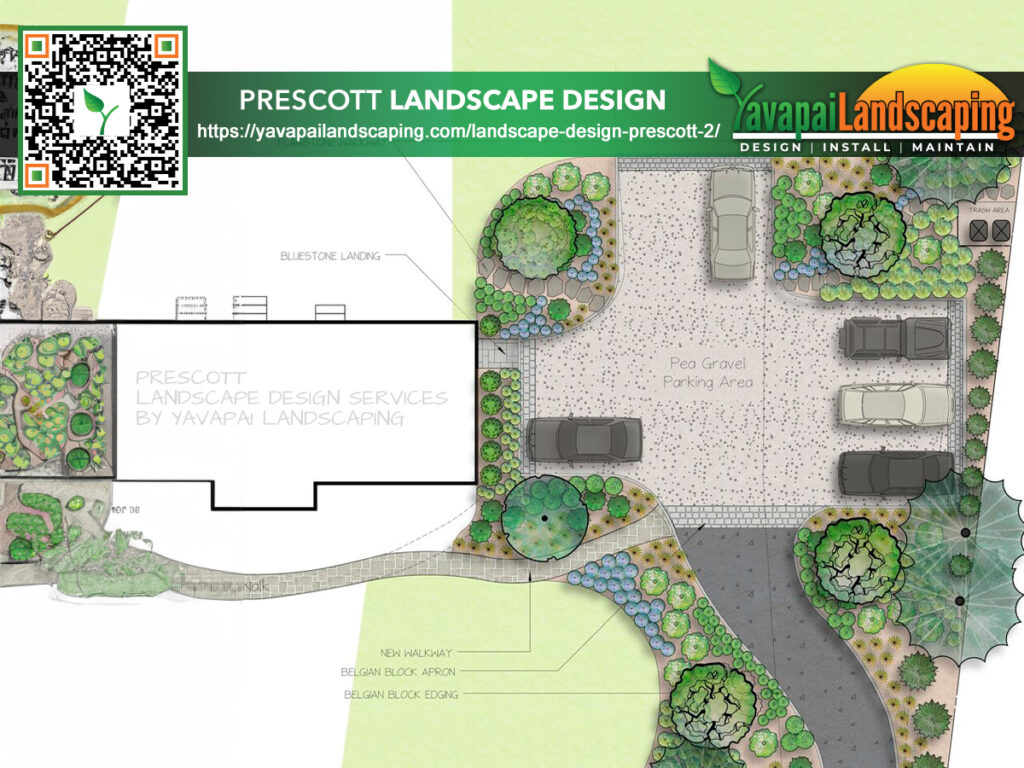
Yavapai Landscaping Prescott offers free quotations for Prescott and its nearby localities for landscaping and tree services. These include tree removal, trimming, stump grinding, land clearance, storm clean up, irrigation, and emergency tree service.
Sustainable landscape design is an approach that emphasizes the use of eco-friendly practices and materials, focusing on preserving the environment while creating beautiful and functional outdoor spaces that require minimal maintenance and resources.
How to design a sustainable garden?
Designing a sustainable garden involves selecting native plants, implementing water-efficient irrigation methods, using organic soil amendments, and creating habitats for local wildlife. Focus on minimizing resource use while enhancing biodiversity and resilience in your outdoor space.
What is a landscape design that benefits the environment?
A landscape design that benefits the environment integrates eco-friendly practices, such as utilizing native plants, implementing rainwater harvesting systems, and optimizing soil health, to create sustainable and low-maintenance outdoor spaces that support local ecosystems.
What is sustainable landscaping?
Sustainable landscaping refers to the practice of designing and maintaining outdoor spaces in an environmentally friendly way, using methods like native plants, water conservation, and eco-conscious materials to promote ecological balance and reduce environmental impact.
What is a landscape design technique that benefits the environment?
A landscape design technique that benefits the environment is xeriscaping. This method utilizes drought-tolerant plants and efficient watering practices to create sustainable, low-maintenance gardens that conserve water and reduce the need for chemical fertilizers.
What are some landscape design techniques that benefit the environment?
Landscape design techniques that benefit the environment include using native plants, implementing xeriscaping, and utilizing rainwater harvesting systems. These practices enhance biodiversity, reduce water consumption, and promote sustainable ecosystems in outdoor spaces.
What materials are best for sustainable landscaping?
The best materials for sustainable landscaping include native plants, recycled or reclaimed materials, permeable pavers, and organic mulch. These options minimize environmental impact and promote biodiversity, water conservation, and soil health in outdoor spaces.
How can I create a wildlife-friendly garden?
Creating a wildlife-friendly garden involves incorporating native plants, providing water sources, and avoiding pesticides. Additionally, adding habitat features like birdhouses and bee hotels can attract and support various wildlife species.
What plants suit a sustainable landscape design?
The plants that suit a sustainable landscape design are primarily native and drought-tolerant species. These plants require less water and maintenance, promote local biodiversity, and are well-adapted to the local climate, making them ideal for eco-friendly landscaping.
How to minimize water usage in landscaping?
Minimizing water usage in landscaping involves implementing techniques such as selecting native and drought-tolerant plants, utilizing efficient irrigation systems, and incorporating mulch to retain soil moisture. These practices reduce water consumption while maintaining a vibrant landscape.
What techniques enhance soil health sustainably?
Techniques that enhance soil health sustainably include practicing crop rotation, using cover crops, incorporating organic compost, and minimizing tillage. These methods improve soil structure, increase nutrient content, and support a thriving ecosystem, ultimately fostering healthier plants and landscapes.
How does sustainable design affect local ecosystems?
Sustainable design positively affects local ecosystems by promoting biodiversity, conserving water, and reducing waste. By integrating native plants and eco-friendly practices, it helps maintain natural habitats and supports ecological balance within the community.
What are the benefits of landscaping with natives?
The benefits of landscaping with natives include enhanced biodiversity, reduced water usage, and lower maintenance costs. Native plants are well-adapted to the local climate, making them resilient and environmentally friendly choices for sustainable landscaping.
How to incorporate rain gardens in landscaping?
Incorporating rain gardens into landscaping involves selecting a designated area that can absorb stormwater runoff, planting native and moisture-tolerant plants, and ensuring proper grading to facilitate drainage. This promotes sustainability and enhances the beauty of outdoor spaces.
What is the role of mulch in sustainability?
The role of mulch in sustainability is significant: it conserves soil moisture, suppresses weeds, and improves soil health, leading to reduced water consumption and less need for chemical weed control, all of which contribute to eco-friendly landscaping practices.
How can xeriscaping reduce environmental impact?
Xeriscaping can significantly reduce environmental impact by minimizing water usage through the selection of drought-tolerant plants and efficient irrigation techniques, ultimately conserving valuable water resources and promoting sustainable landscaping practices.
What practices improve sustainability in garden maintenance?
Sustainable garden maintenance practices include using organic fertilizers, implementing mulch to retain moisture, planting native species, and utilizing efficient irrigation systems. These approaches minimize environmental impact and promote healthy ecosystems.
How to design landscapes that conserve energy?
Designing landscapes that conserve energy involves using strategic plant placement, selecting shade-providing trees, and incorporating native vegetation to enhance airflow and reduce heating costs. Additionally, utilizing hardscapes wisely can further minimize energy demands.
What certifications exist for sustainable landscaping?
Certifications for sustainable landscaping include the Sustainable Landscapes Certification (SLC), the Landscape Industry Certified program, and the Green Building Certification Institute (GBCI) standards. These certifications help ensure environmentally responsible practices in landscape design and maintenance.
How can hardscaping be eco-friendly?
Hardscaping can be eco-friendly by incorporating permeable materials, utilizing recycled elements, and designing spaces that require minimal irrigation. These practices enhance water conservation, reduce waste, and support sustainable landscape ecosystems.
What role do cover crops play in landscaping?
The role of cover crops in landscaping is crucial as they improve soil health, prevent erosion, and suppress weeds. By enhancing biodiversity and promoting nutrient cycling, cover crops contribute to sustainable landscape practices.
How to choose sustainable outdoor furniture?
Choosing sustainable outdoor furniture involves selecting pieces made from eco-friendly materials, such as reclaimed wood or recycled metals, and prioritizing products from manufacturers who practice ethical sourcing and environmentally responsible production methods.
What are the principles of ecological landscaping?
The principles of ecological landscaping focus on creating sustainable environments by utilizing native plants, conserving water, promoting biodiversity, and minimizing chemical use. These practices aim to harmonize landscapes with nature while enhancing ecological health.
How to integrate permaculture in garden design?
Integrating permaculture in garden design involves creating a sustainable and self-sufficient ecosystem by using native plants, implementing companion planting, and employing efficient water management techniques such as rainwater harvesting.
What innovations exist in sustainable landscaping technology?
Innovations in sustainable landscaping technology include smart irrigation systems that optimize water usage, the use of biodegradable materials for landscaping features, and advances in soil health monitoring that promote sustainable plant growth, ultimately enhancing eco-friendly designs.
How can local resources promote sustainable landscaping?
Local resources can significantly promote sustainable landscaping by providing native plants, organic fertilizers, and local mulch, which reduce transportation impact and water usage. Utilizing these resources fosters biodiversity and supports the local ecosystem, leading to healthier and more sustainable landscapes.
What are green roofing options for landscapes?
Green roofing options for landscapes include extensive green roofs, which support low-maintenance vegetation, and intensive green roofs, designed for a variety of plants and recreational spaces. These solutions promote biodiversity, improve insulation, and manage stormwater effectively.
How do community gardens support environmental goals?
Community gardens support environmental goals by promoting biodiversity, improving air and soil quality, and reducing food miles. They encourage sustainable practices like composting and organic gardening, fostering a more eco-friendly and resilient community.
What is the role of composting in design?
The role of composting in design is to enhance soil quality and fertility, promote sustainable practices, and support plant health. By incorporating compost into landscape designs, designers create eco-friendly spaces that thrive while reducing waste and environmental impact.
How to assess the sustainability of a project?
Assessing the sustainability of a project involves evaluating its environmental, social, and economic impacts. Focus on criteria such as resource efficiency, use of sustainable materials, community benefit, and long-term ecological effects to determine overall sustainability.