

Tree damage can seriously compromise your home’s structural soundness, impacting everything from your foundations and roof to your plumbing and essential safety systems. Even a single intrusive root can exploit shifts in soil moisture and existing cracks, leading to expensive repairs and potential headaches with your insurance. This guide will walk you through the common risks and consequences of damaged trees, practical ways to prevent them—like getting inspections from certified arborists and planting trees wisely—and how your homeowner’s insurance fits into the picture. You’ll discover how root barriers, smart pruning, emergency tree removal, professional risk assessments, and expert tree services can keep your property secure in Prescott, Prescott Valley, Chino Valley, and throughout Yavapai County.
Trees that are damaged or not properly cared for can trigger a chain reaction of property problems, ranging from subtle soil shifts to devastating structural failures. Understanding these potential dangers will help you prioritize inspections and take preventative action.
Tree roots can damage foundations by drawing moisture from the soil, causing it to shrink and leading to uneven settling beneath concrete slabs. Over time, the pressure from roots can exploit tiny cracks and widen them.
Watch out for these signs of root-induced damage:
Catching these early warning signs means you can bring in professionals to manage the roots before serious structural issues arise.
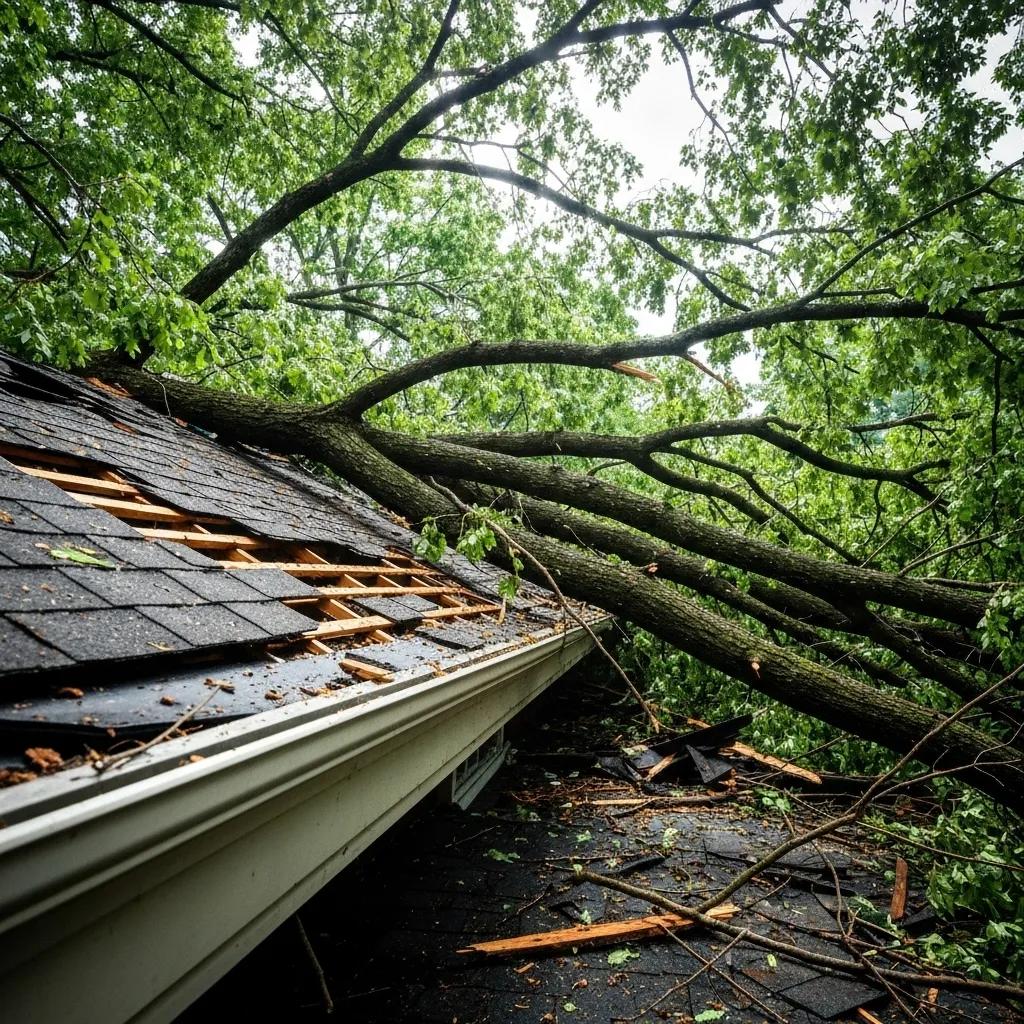
Branches that fall can scrape and damage roofing materials, break shingles, and clog gutters, leading to water backing up and rotting fascia boards. When entire trees fall during storms, they can punch holes in roofs, damage siding, and put people inside at risk.
Common exterior impacts include:
Regularly checking the health of your tree branches and canopy density can significantly reduce the likelihood of limbs failing and compromising your home’s waterproofing and appearance.
Branches that grow too close to power lines can cause outages, electrical arcing, and even electrocution risks. Tree roots can also interfere with underground gas and water lines, leading to leaks or service disruptions.
Potential safety hazards include:
Hiring ISA-certified arborists for clearance trimming and root assessments helps prevent service interruptions and keeps your property safe.
The average cost to repair tree-related foundation or roof damage can easily surpass $4,000, especially if your insurance claim is denied due to lack of maintenance. Homeowner’s insurance typically covers damage from sudden events like wind or lightning but often excludes issues stemming from poor upkeep.
Homeowners insurance policies generally cover damageto your home caused by a tree falling due to a covered event, such as wind or hail. However, damagethat results from a lack of maintenance or neglect may not be covered.
Source: Allstate, Does homeowners insurance cover roof damage?
This highlights the financial risks and insurance considerations associated with tree damage, as detailed in this article.
Financial risks to consider:
Keeping records of inspections and professional pruning helps demonstrate that you’ve taken reasonable care, which can be crucial for insurance claims and keeping your costs down.
Taking a proactive approach to tree care is key to maintaining your home’s structural integrity and reducing long-term liability. Make these strategies a part of your regular landscape management.
Certified arborists can identify diseases, decay, and structural weaknesses before they become major problems. Annual inspections assess the stability of your tree’s canopy, the health of its roots, and any pest issues, allowing for targeted treatments.
Services provided by arborists include:
Professional diagnoses guide timely pruning, fertilization, or removal decisions that keep your trees healthy and your property safe.
Strategic pruning, such as thinning the crown and removing deadwood, helps distribute weight better and makes trees more resistant to wind. Following ANSI pruning standards minimizes damage to the tree and reduces the risk of decay.
Key techniques to use:
Regular trimming helps maintain the tree’s structural integrity, lowers the risk of storm damage, and promotes long-term canopy health.
Removing a tree is necessary when it shows signs of advanced decay, a significant lean, root plate lifting, or an untreatable pest or disease infestation. Emergency removal services are crucial for immediate hazards after storms.
Criteria for removal:
Our 24/7 emergency crews in Yavapai County are ready to quickly address hazards, minimizing potential damage and safety risks to your property.
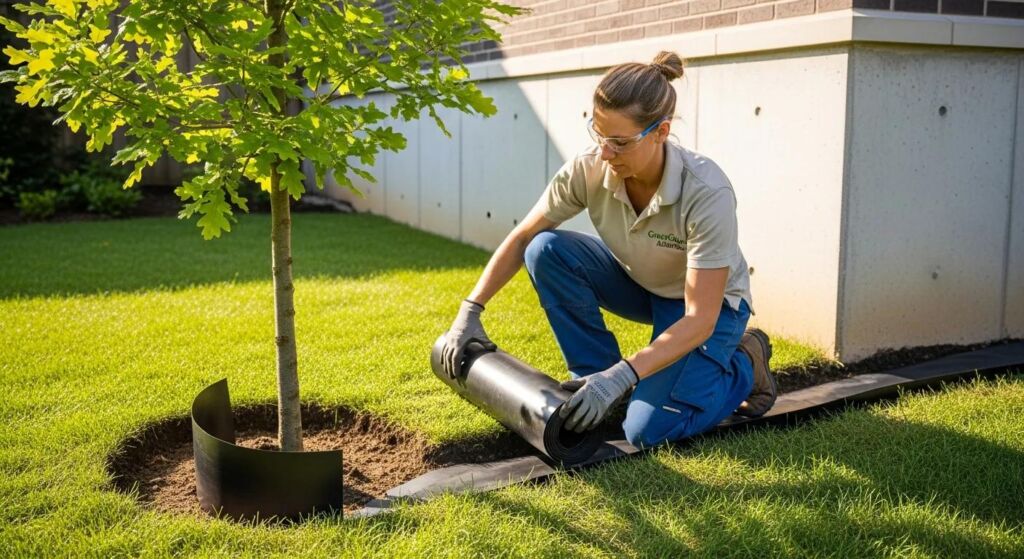
Choosing tree species with less aggressive root systems and planting them at appropriate distances helps protect foundations and underground utilities. Installing root barriers can guide root growth away from your home’s structures.
Smart planting guidelines:
Root barriers are used to prevent tree roots from damaging foundations and other structures. Proper installation involves creating a trench and placing the barrier to redirect root growth away from the protected area.
Source: Root Barrier Store, Guide to Tree Root Barrier Installation (2024-03-07)
Careful planting and root containment can prevent future soil heaving and costly foundation repairs.
Tree roots can exploit small cracks and expand voids in the soil, leading to plumbing blockages and foundation settling that show up as leaks and structural problems.
When roots invade sewer lines, they can cause frequent clogs and sewage backups. Foundation settling often appears as vertical cracks, diagonal cracks in brickwork, and water leaks inside your home.
| Warning Sign | What It Indicates | What to Look For |
|---|---|---|
| Cracks in brickwork that resemble stairs | Structural stress | Fissures running both horizontally and vertically |
| Drains that clog repeatedly | Plumbing intrusion | Tiny roots found within pipe sections |
| Slabs that are uneven or tilted | Soil movement | Noticeable differences in floor grade |
| Water seeping into basements | Waterproofing failure | Damp patches along foundation walls |
Recognizing these symptoms early allows you to install root barriers and use professional trenching services to protect both your foundation and plumbing.
Some tree species develop aggressive root systems that seek out moisture under foundations and pipes. In Yavapai County, trees that commonly cause problems include:
Certain tree species, such as silver maples and willows, are known for having aggressive root systems that can cause damageto foundations, pavements, and underground utilities. Root barriers can be installed to redirect root growth and protect property.
Source: Country Living Magazine, 7 trees and plants with the most invasive roots
Replacing these invasive species with less aggressive options like Arizona ash or desert willow can prevent future structural issues.
Root barriers redirect the growth of lateral roots, encouraging them to grow deeper and away from your home’s structures. Professional root pruning and soil treatments can maintain root health while protecting your infrastructure.
Effective management solutions:
These methods stop further root intrusion and stabilize soil moisture, ensuring your foundation remains sound for years to come.
Branches breaking off and entire trees falling pose immediate dangers to homes and other buildings, often occurring during monsoon storms or high winds.
Deadwood typically looks bleached and brittle, with no leaves during the growing season. Cracks where branches join the trunk, loose bark, and visible fungal growth are signs of structural weakness.
Signs to look for during inspection:
Catching these issues early through aerial inspections can prevent sudden limb failures that could damage your roof and gutters.
Emergency crews first assess the site for risks, set up safety perimeters, and then use cranes or rigging systems to carefully remove hazardous sections without causing further damage.
Quick response minimizes property exposure and restores safety around damaged structures.
After a tree is removed, thoroughly inspect your roof sheathing, fascia boards, and gutters to find any hidden damage. Clearing away debris prevents moisture buildup and discourages pests.
Cleanup steps to follow:
Thorough cleanup and repairs protect against secondary damage and help maintain your home’s resilience.
Systematic evaluations by certified professionals help pinpoint structural weaknesses in trees and guide priorities for mitigation efforts.
An ISA-certified arborist uses the TRAQ (Tree Risk Assessment Qualification) methodology to determine the likelihood of a tree failing and the potential impact on property or people.
Key tasks for arborists:
Certified arborists use a systematic process to evaluate trees for potential hazards, considering factors like the likelihood of failure and the potential impact. This involves visual inspections and, in some cases, advanced diagnostic tools to assess tree healthand structural integrity.
Source: Arbor Works, Tree Risk Assessment: A Guide to Tree Safety and Risk Management
Professional assessments provide the data needed for informed decisions about pruning, cabling, or removal, ensuring the safety of your property and its occupants.
Advanced inspections utilize tools like binoculars, resistograph drills, and sonic tomographs to detect internal decay and cracks without extensive digging.
Visual inspection methods:
Combining visual checks with instrumental diagnostics ensures a thorough identification of hazards before they become obvious.
Key factors that increase the risk of a tree failing include:
Addressing these issues through cabling, bracing, or removal is essential for maintaining property integrity and occupant safety.
TRAQ certification ensures that arborists follow standardized risk assessment procedures that are recognized worldwide. This qualification signifies a commitment to best practices in identifying and mitigating tree hazards.
Homeowners policies typically cover tree damage caused by sudden events, but a lack of maintenance can lead to denied claims.
Commonly covered events include damage from windstorms, hail, lightning strikes, and the weight of ice or snow. Damage caused by diseased or neglected trees is usually not covered.
Covered perils include:
Regular professional tree care helps validate your insurance coverage for these events and supports successful claims.
Insurance companies consider negligence to be the failure to inspect or maintain trees in a safe condition. If you have a history of untreated tree diseases or cannot provide documentation of maintenance, your claim may be denied.
Situations that may lead to exclusions:
Documenting your routine arborist services and tree maintenance can help resolve disputes about negligence and ensure your claim is eligible.
Most policies will cover the cost of removing a tree if it falls due to a covered event, up to certain limits. Debris removal is also typically covered, up to a specified percentage of your dwelling coverage.
Cleanup benefits may include:
It’s important to review your policy’s specific limits to understand any potential out-of-pocket costs beyond what your insurer covers.
If a neighbor’s tree falls onto your property due to a covered event, your insurance company will pay for your repairs and then seek reimbursement from the neighbor’s insurer. However, if the neighbor was negligent in maintaining their tree, they may be held liable.
Liability considerations:
Maintaining open communication with your neighbors and keeping records of your own tree care practices can lead to smoother resolutions in liability matters.
Yavapai Landscaping offers local expertise, certified arborists, and 24/7 emergency services for homeowners in the Prescott area who need reliable, preventative tree care.
Our comprehensive services balance proactive risk management with swift hazard resolution, ensuring your landscape—and your investment—stays secure.
Our ISA-certified arborists use advanced tools like sonic tomography, resistograph testing, and detailed visual surveys to create personalized care plans. We track progress with thorough reports and follow-up inspections.
Reach out to our Prescott office or submit a request online for a no-obligation consultation. We serve Prescott, Prescott Valley, Chino Valley, and surrounding Yavapai County communities, providing prompt, professional service and clear estimates.
Yes, tree roots can damage concrete foundations by absorbing soil moisture, causing it to shrink and settle, and by entering existing cracks and widening them under pressure.
Look for stair-step cracks in brickwork, uneven floors, sticking doors or windows, visible roots near the foundation, and water seepage along basement walls as indicators of root intrusion.
Homeowners insurance generally covers tree damage from covered events like wind, lightning, or hail, provided the tree was properly maintained. Negligence or lack of professional care can lead to coverage being denied.
Prevent damage by scheduling annual arborist inspections, performing strategic pruning, selecting the right tree species and planting them at appropriate distances, installing root barriers, and promptly removing dead or diseased trees.
Schedule an arborist consultation if you notice large limbs cracking, fungus growing at the base of the tree, a significant lean, signs of the root plate lifting, or after any storm that could have compromised the tree’s health and stability.
Protecting your home starts with expert tree care—take action today to secure your property’s integrity and preserve your investment.