
Vibrant, well-kept trees can elevate your property’s worth and significantly boost safety. However, neglecting them can quickly turn them into hazards. Knowing whether a tree requires professional trimming or outright removal hinges on spotting visible signs and getting an expert’s eye. This guide will walk you through the tell-tale indicators of overgrowth and dangerous decay, when advanced disease or storm damage calls for removal, and the factors that steer the decision between trimming and removal. You’ll also discover the most common tree ailments in Arizona, and how to keep your trees thriving all year long.
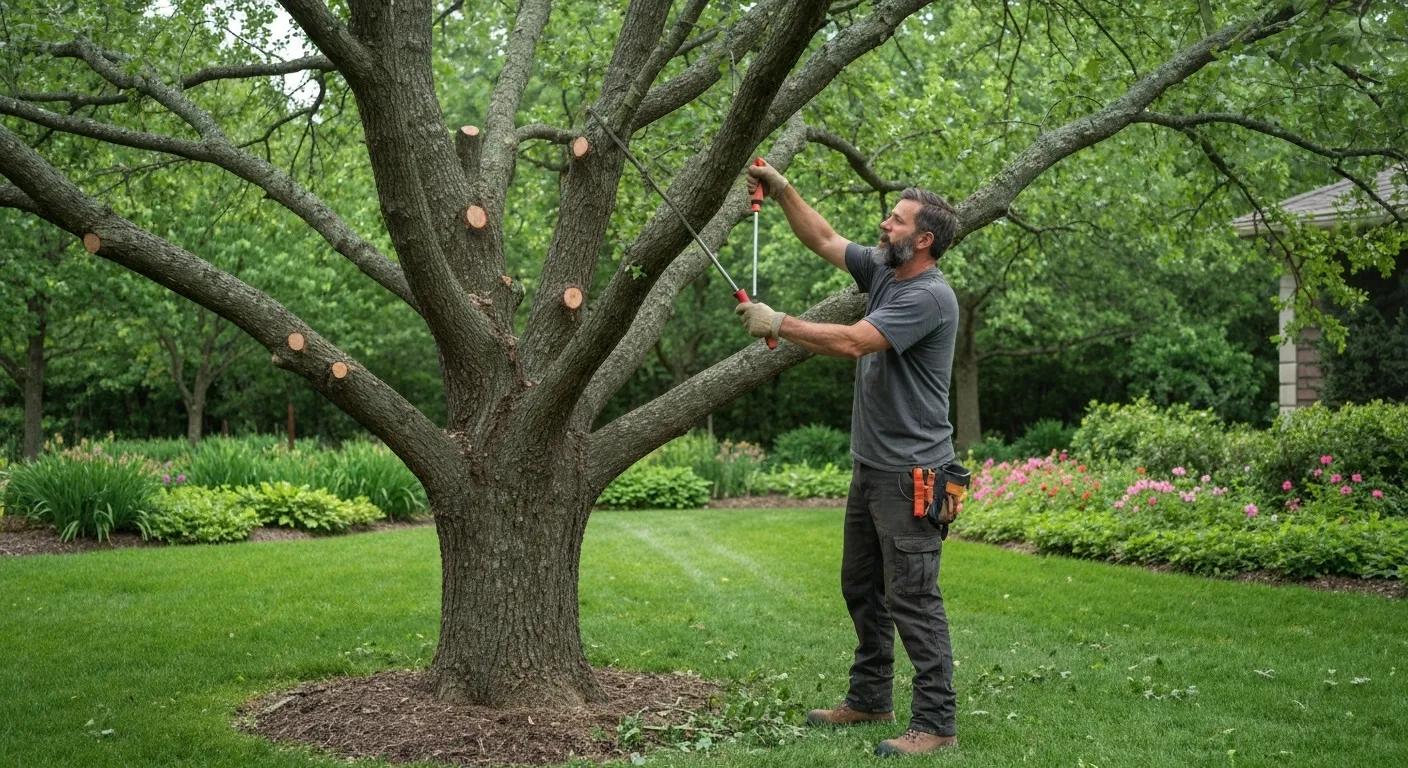
Expert trimming strengthens your tree’s structure, improves airflow through its canopy, and enhances its overall appearance by clearing out deadwood.
Regularly trimming and pruning your trees helps eliminate dead or diseased branches, boosting their overall health. This can stop diseases from spreading and help your trees flourish. Trimming also makes trees look better and can extend their lifespan. When branches start posing a threat to health or property, timely pruning is key to long-term vitality and safety.
Dead or dying branches are bare of live leaves, feel brittle to the touch, and often show bark that’s turned gray or is peeling away.
Catching these symptoms early helps prevent decay from spreading and gets the tree ready for corrective pruning.
An overgrown canopy features branches that overlap and block sunlight, hindering photosynthesis and creating an environment ripe for fungal growth.
Thinning out excessive growth lets sunlight reach the inner parts of the tree and strengthens where branches connect, setting the stage for assessing more serious hazards.
Branches that rub against each other create wounds where the bark is scraped away, leaving the wood exposed to disease.
Removing these conflicting branches through careful cuts protects the tree’s health and reduces the need for future removal.
Branches that touch roofs, siding, or power lines create safety and liability risks.
Pruning to maintain safe distances prevents property damage and keeps you compliant with local rules, preparing you to consider if removal is ever the best option.
Uneven crowns and co-dominant stems create stress points that weaken the tree’s structure and detract from its beauty.
Regular shaping removes problematic branches and supports a balanced canopy that can withstand storms, setting the stage for evaluating conditions that can’t be fixed.
Pruning at the right time of year, aligned with a tree’s dormant periods, minimizes stress and the risk of disease.
Timing your cuts correctly prevents excessive sap loss and speeds up wound healing, naturally leading to understanding when removal is necessary.
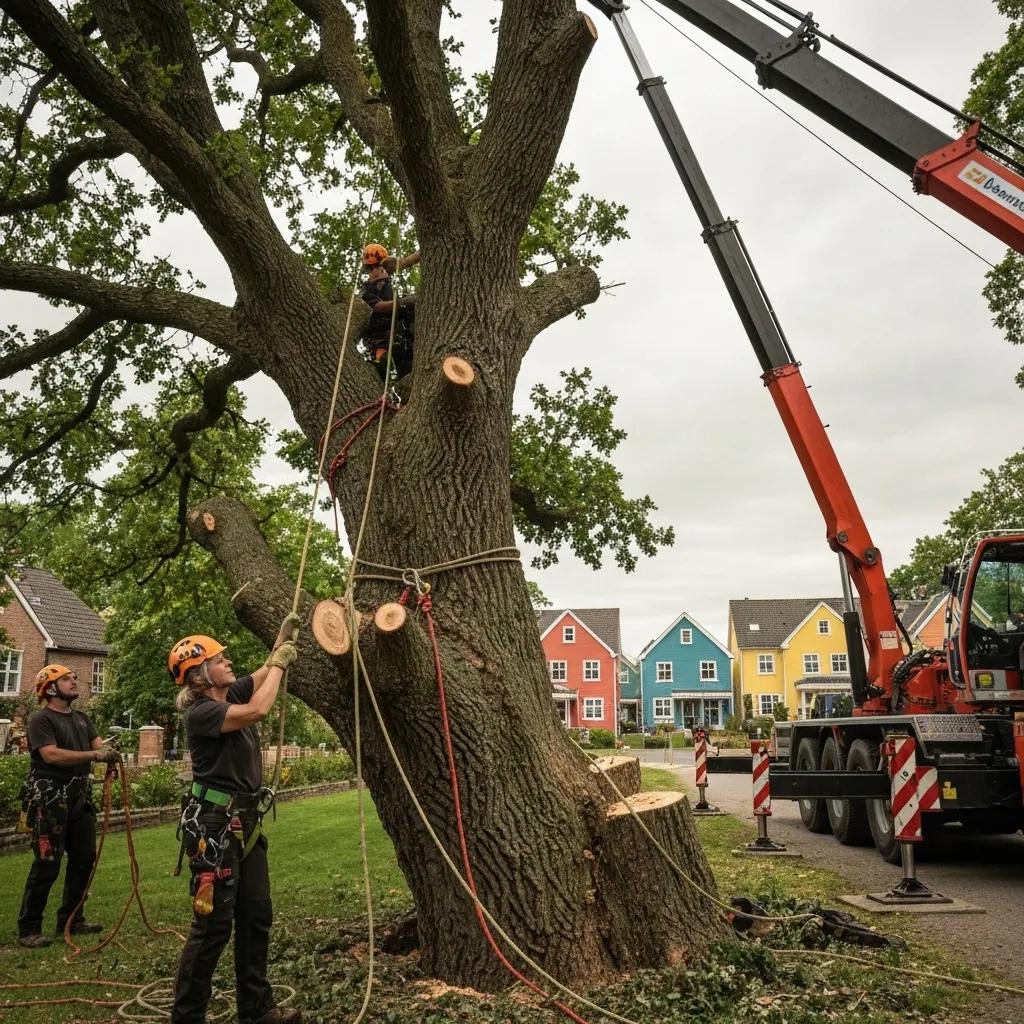
Tree removal becomes necessary when the risk of structural failure outweighs any benefits of keeping the tree.
Tree removal carries inherent dangers, such as falling branches, contact with power lines, and the use of heavy equipment. Professional tree services are trained to manage these risks effectively. Identifying a significant lean, decay, or untreatable disease is crucial for ensuring safety and protecting nearby property.
A tree leaning more than 15 degrees from the vertical or showing signs of root plate uplift indicates a compromised root system.
When a tree’s center of gravity shifts beyond its root base, removal is essential to prevent collapse and protect people and property.
Deep fissures wider than a quarter-inch compromise load-bearing sections and signal an imminent risk of failure.
In these situations, removal is the only way to eliminate hazard zones and prevent uncontrolled breakage.
Using a drill to test the wood and tapping with a mallet can reveal cavities and wood loss inside tree trunks.
| Condition | Observation | Risk |
|---|---|---|
| Uniform Hollow | A hollow, resonant sound when tapped | High chance of sudden collapse |
| Localized Cavity | Visible rot pockets or fungal growths | Compromised ability to withstand wind |
| Soft Core | Drill bit easily penetrates beyond the bark | Reduced structural strength |
Extensive decay weakens the tree’s core support, making removal the safest choice.
Roots that are decayed, girdled, or have been cut disrupt the flow of nutrients and the tree’s stability.
| Condition | Symptom | Consequence |
|---|---|---|
| Rotten Roots | Mushy, foul-smelling tissue | Rapid decline in canopy health |
| Exposed Roots | Lifted soil and visible roots | Vulnerability to drought stress |
| Girdling Roots | Roots wrapped around the base of the trunk | Constricted flow of nutrients and water |
Severe root problems often leave trees unable to recover, requiring complete removal.
Diseases like Texas Root Rot or Sooty Canker that spread throughout the tree’s system are untreatable once systemic symptoms appear.
In these cases, removal is necessary to prevent the disease from spreading to nearby healthy trees.
Storms that break off tops, shatter major limbs, or uproot trees often cause damage that’s beyond safe pruning limits.
When storm damage compromises a tree’s structural integrity, removal is necessary to ensure safety and avoid liability.
Trees growing within 10 feet of buildings or utilities create ongoing hazards.
Unmanageable risks associated with proximity warrant complete removal to protect people and infrastructure.
A dead tree becomes a brittle hazard with no ability to heal itself.
The choice between trimming and removal depends on the tree’s health, potential safety risks, budget, and your long-term landscape vision.
Assessment criteria include structural flaws, the severity of the disease, proximity to structures, and the desired lifespan of the tree.
Balancing these factors leads to a strategy that optimizes safety, appearance, and your investment.
While trimming costs vary based on the tree’s height and the complexity of the work, removal involves equipment, disposal fees, and stump grinding.
| Service Option | Typical Cost Range | Value Proposition |
|---|---|---|
| Tree Trimming | $200 – $800 | Extends tree life, improves appearance |
| Tree Removal | $500 – $2,500 | Eliminates hazards, clears space completely |
| Stump Grinding Add-On | $100 – $400 | Prevents regrowth, restores ground level |
Pruning is usually less expensive initially, but repeated trimming over time can approach the cost of removal.
Emergency services are for situations like fallen limbs, uprooted trees, or sudden instability.
Clear pricing for emergency services ensures you understand the investment needed to protect lives and property.
Consistent trimming and health checks prevent hazards, enhance curb appeal, and extend the life of your trees.
Investing in maintenance lowers overall costs and keeps trees as valuable assets in your landscape.
Local regulations often require permits for removing certain protected tree species or trees above a specific diameter.
In Yavapai County, permits for tree removal may be required depending on the location and size of the tree. It is generally recommended to obtain a permit for removing trees on public property, while permits may not be needed for smaller trees on private property. Understanding these rules ensures legal removal and helps maintain the community’s tree canopy.
Local tree health threats require careful monitoring and quick action to protect your landscape investment.
Sooty Canker appears as black, powdery patches on trunks and branches, blocking sap flow and causing branches to die. Texas Root Rot leads to browning needles, decaying roots, and gradual thinning of the canopy. Recognizing these signs early allows for targeted pruning or removal.
Pinion Needle Scale shows up as small, white bumps on needles, leading to defoliation and branch death. Comandra Rust produces bright orange spots that damage needles and reduce photosynthesis. Fire Blight causes blackened shoots and oozing sores, rapidly killing branches. Each pest or disease weakens the tree’s structure and may require removal if widespread.
Preventive measures include proper pruning techniques, cleaning tools between cuts, and avoiding overhead watering.
Implementing these strategies keeps trees healthy and delays or prevents the need for removal.
When over 30 percent of the tree’s canopy is affected, decay has spread beyond the root collar, or treatments have failed over several seasons, removal is necessary to prevent the disease from spreading. Removing severely infected trees protects surrounding trees and revitalizes the landscape.
A proactive, seasonal care plan keeps trees strong, reduces the need for emergency removals, and maintains the beauty of your landscape.
Winter dormancy, from December through early March, is ideal for most deciduous trees as it minimizes sap loss and disease risk. Late spring, after flowering, is best for protecting fruit trees‘ blossoms, while summer trimming helps control new shoot growth. Aligning pruning with these periods promotes faster healing.
| Season | Key Actions | Benefits |
|---|---|---|
| Spring | Check for leaf bud break and branch swelling | Early detection of pests and timely fertilization |
| Summer | Monitor canopy density and signs of drought stress | Guide watering schedules and prevent sun damage |
| Fall | Remove deadwood and treat minor wounds | Reduce winter breakage and fungal growth |
| Winter | Perform structural pruning and soil testing | Strengthen the tree’s form and plan for spring treatments |
Seasonal checks allow for targeted interventions that keep trees consistently vigorous.
Routine inspections catch developing lean, root girdling, or pest infestations before they cause major problems. Scheduling annual or biannual evaluations helps prioritize trimming or removal projects and avoids costly emergency services after storms or sudden failures.
Using increment borers, mallets for sounding, soil moisture meters, and high-resolution cameras speeds up diagnosis. Charts showing common disease symptoms and guides for branch angles help you spot issues early and consult professionals for accurate solutions.
Healthy, structurally sound trees are vital assets to any landscape. By understanding when trimming is sufficient and when removal becomes necessary, you can protect your property, ensure safety, and maintain your home’s curb appeal. Partnering with Yavapai Landscaping brings local knowledge, proven safety practices, and a customer-focused approach to every tree care project. For a complimentary consultation and a personalized tree health plan, reach out to our Prescott office today.