
By Nathan Green, Yavapai Landscaping — a Prescott-based, full-service landscaping firm led by a retired firefighter, specializing in Firewise design and water-wise installations across Northern Arizona.
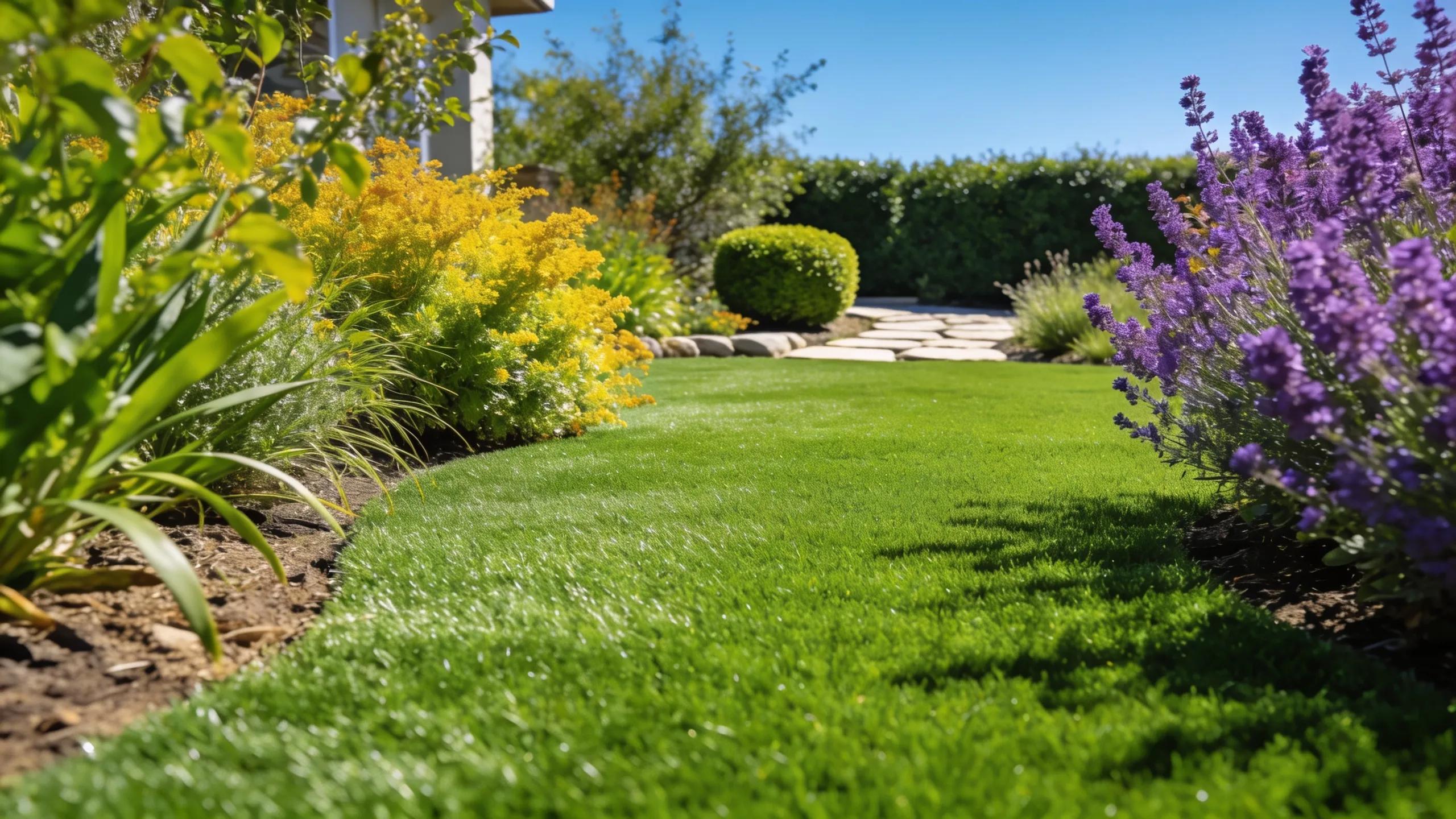
Artificial turf is increasingly common in Prescott where “water conservation” is essential. Synthetic grass offers an attractive, low-maintenance alternative that greatly reduces water use. This article summarizes installation essentials, fire-resistance benefits, environmental advantages, and ways to integrate turf with drought-tolerant landscaping while preserving safety.
Installation must suit Prescott’s climate and drainage needs. Proper site preparation—removing vegetation, grading for drainage, and installing a stable base—ensures durability. Professional teams handle these steps. For consultations and tailored options, “Yavapai Landscaping” brings hands-on experience installing turf throughout Prescott, Prescott Valley, Chino Valley, and the surrounding high-desert communities, led by a team with a public-safety background in Firewise and defensible-space work. The company backs its work with a complimentary initial consultation and a one-year warranty on installation services, and has built a 4.6-star reputation across nearly 900 verified customer reviews — a track record Prescott homeowners can check before committing to a project.
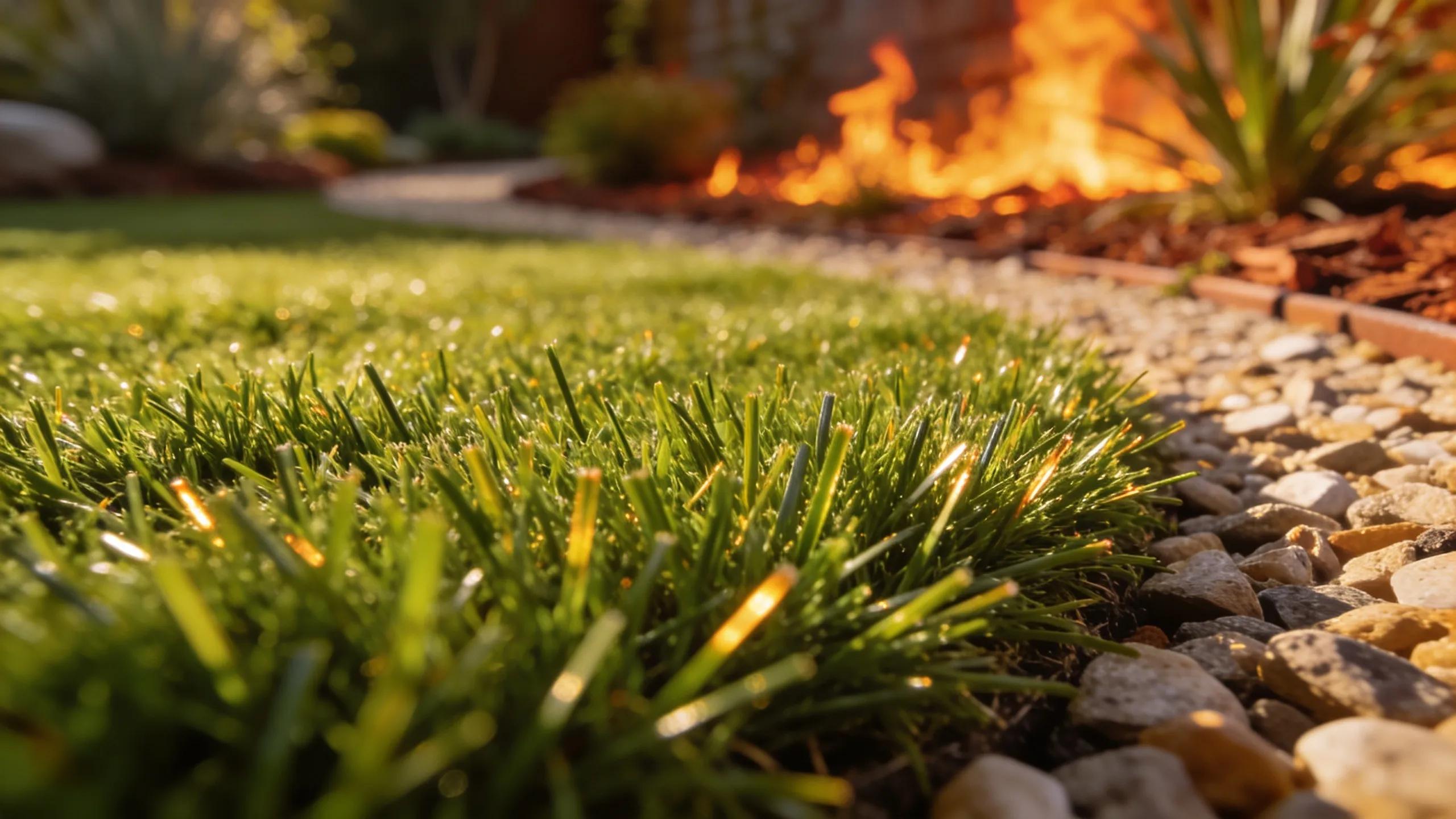
Fire-resistant turf is designed to lower fire risk and comply with safety regulations. Key benefits include:
Using “fire-resistant artificial turf” is a practical safety measure for fire-prone homes.
Artificial turf can form buffer zones that slow flame spread from nearby vegetation and reduce risks associated with routine yard work like mowing.
In one Prescott-area subdivision, Yavapai Landscaping worked with homeowners to install artificial turf alongside fire-resistant plants and defensible-space landscaping. The result was a marked reduction in combustible vegetation around homes, helping the community meet Firewise USA program standards and improving neighborhood-wide fire safety.
Recommended options include:
Each material balances safety and practical performance outdoors.
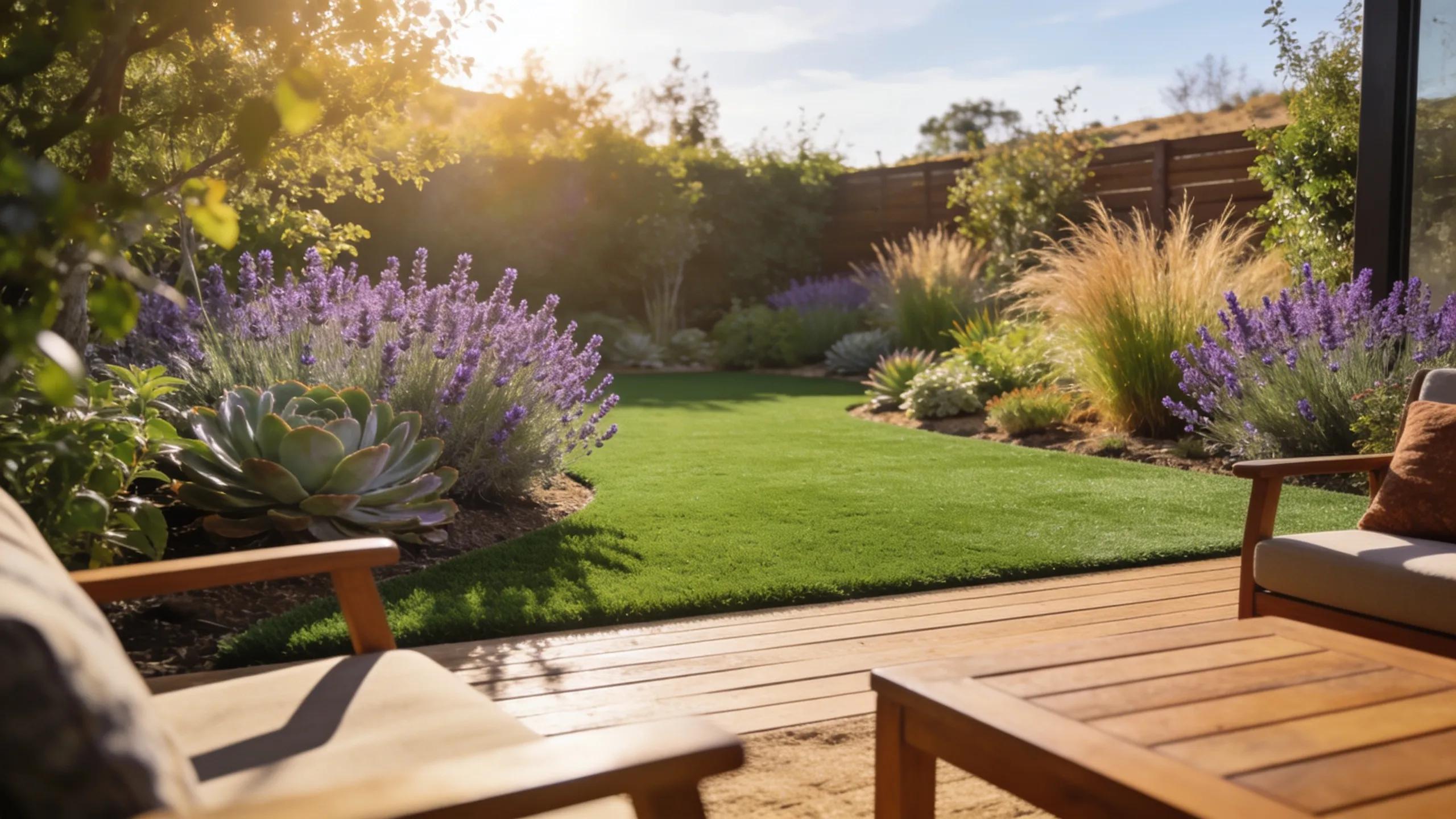
In water-scarce Prescott, artificial turf is an effective conservation measure. By eliminating routine irrigation, synthetic grass substantially lowers landscape water use and helps properties comply with local restrictions during droughts.
Yavapai Landscaping emphasizes water-saving designs and supports customers integrating synthetic grass into their sites. In past Prescott-area projects, homeowners who switched to artificial turf saw a direct cut in their water bills while also contributing to broader community conservation efforts during drought conditions. Turf also eliminates the fertilizers, pesticides, and herbicides typically applied to natural lawns, reducing chemical runoff into the surrounding landscape.
The table highlights the core difference: traditional lawns need regular irrigation to survive Prescott’s climate, while synthetic grass needs none for its own upkeep — which is why replacing a natural lawn with turf can cut a property’s total outdoor water use by up to 70%, as detailed below.
Synthetic grass itself needs no irrigation once installed — the “None” water usage shown in the comparison table above refers to the turf’s own upkeep. Because lawn irrigation typically makes up the largest share of a property’s outdoor water use, replacing natural grass with turf can cut total outdoor water consumption by up to 70%, with the remaining share coming from other outdoor uses like cleaning or supplemental landscape watering. The result is less runoff and evaporation while keeping a neat landscape appearance during droughts.
Combining turf with drought-tolerant plants yields a cohesive, low-water landscape. Turf complements native species, supports biodiversity, and maintains curb appeal when planned by professionals.
Key phases include:
Crews rely on purpose-built equipment for each phase — a vibrating plate compactor to settle the base, a seam roller and adhesive for clean, invisible joins, and a turf cutter for precise edges around beds, walkways, and hardscape. Turf pile height is also matched to how the space will be used: shorter pile suits play areas and high-traffic zones, while a medium-to-long pile is often chosen for a lush, residential-lawn look. Experienced installers like Yavapai Landscaping LLC adapt each phase to Prescott’s conditions for best results.
Primary advantages include long-term cost savings despite higher upfront costs, reduced water use and pesticide needs, and low maintenance with no mowing or fertilizing. Unlike installers who handle turf as a single, standalone service, Yavapai Landscaping delivers it as part of a complete design-build-maintain offering — coordinating turf placement with irrigation, hardscape, and Firewise defensible-space planning under one accountable team, so the finished landscape works as a system rather than a collection of separate projects.
For commercial properties, synthetic turf lowers water and maintenance costs, reduces upkeep demands, and supports sustainability goals—benefits that improve operational efficiency and corporate responsibility.
Yes. Modern products are made for varied conditions; selecting the correct turf type for local demands ensures longevity and performance.
When combined with native plantings and habitat features, turf can support wildlife and pollinators while maintaining low water use.
Maintenance is simple: brush fibers upright, remove debris with a blower or vacuum, wash occasionally with mild detergent, and ensure good drainage.
Many turf products are pet-friendly, non-toxic, and drain well. Pet waste is easy to clean and the surface resists wear from active pets.
Typical lifespans range from 15 to 25 years depending on material quality, usage, and maintenance. Customer feedback and field data from Yavapai Landscaping’s own Prescott-area installations show that high-quality turf maintains its appearance and performance for over 15 years in this climate, resisting UV degradation, heat, and seasonal temperature swings.
Drawbacks include higher initial cost and potential heat retention in warm climates, though modern materials have reduced many concerns.
Reputable manufacturers and installers usually provide warranties (often 8–15 years); discuss terms with your installer to confirm coverage.
Artificial turf offers Prescott residents an attractive, low-water landscaping option that can enhance fire safety when using fire-resistant types. Professional installation ensures durable results tailored to local conditions. Contact experienced installers to explore synthetic grass solutions for your property.