
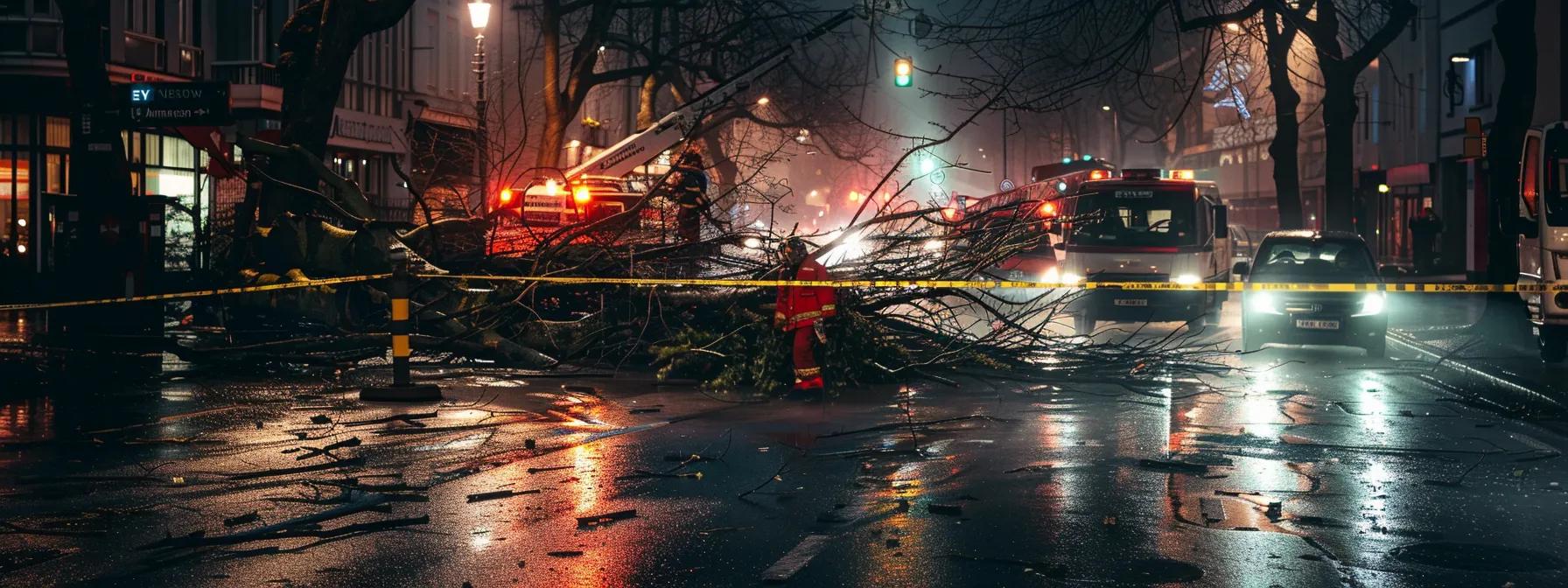
Welcome to our comprehensive guide on 24-hour emergency tree removal services. Many local residents from Prescott Valley appreciate our Free Estimates and timely response during critical moments. In this article, we explain why immediate tree removal is essential for protecting your property and ensuring safety during unpredictable weather events and natural disasters. For an added layer of confidence and preparedness, our Firewise team employs industry best practices to mitigate future risks. When a tree threatens your home, business, or landscape, rapid action by a certified emergency tree removal service can be the difference between a minor inconvenience and catastrophic damage. Drawing on years of experience in professional landscaping and tree care, this guide provides insights into how these services protect property, support insurance claims, and maintain a healthy, aesthetically pleasing environment. For anyone interested to learn more about us, further details are available upon request.
Storms, lightning strikes, and sudden tree failures can damage roofs and vehicles or injure residents. When hazardous trees threaten, every minute counts. Local companies in Prescott Valley offer free estimates to quickly assess potential hazards while adhering to Firewise guidelines. Emergency tree removal minimizes the risks of falling debris, power line interference, and structural damage. A swift intervention also limits secondary damage from weather exposure or pest infestations in decaying wood. This guide, supported by Talking Rock Club initiatives, breaks down the process step-by-step and offers practical advice on preventing future incidents.
We discuss the roles of certified arborists, who possess technical expertise and specialized equipment. We also cover pricing (including free estimates), insurance claims, and post-storm procedures. Whether you are a homeowner in Prescott or a commercial property manager in Yavapai County, this guide answers your pressing questions about emergency tree care. By the end, you will understand how these services operate, the firewise safety measures involved, and how to choose the right company near you.
Let’s begin by exploring the fundamentals of emergency tree removal and the situations that necessitate immediate action.
24 Hour Emergency Tree Removal means that professional tree removal services are available around the clock to respond immediately when a tree becomes hazardous due to storms, disease, or decay. Whether you’re in Prescott Valley or another community, we provide free estimates to help you quickly assess the situation. With a focus on safety and community support, our Firewise approach ensures that proactive measures are taken in vulnerable areas. When a tree is unstable and prone to collapse, acting quickly is vital to prevent injuries and further property damage. For more information and to learn about our team, please get in touch with us.
Certified arborists use heavy-duty equipment to safely remove hazardous trees or live branches. Many certified professionals offer free estimates and follow firewise guidelines to ensure that proper procedures are maintained. This rapid response helps prevent injuries and property damage during severe weather, such as high winds, heavy rains, or snow in areas like Prescott Valley. Situations include trees partially uprooted by winds or lightning, trees near power lines, and trees displaying cracking sounds, significant lean, or decay. The process begins with a safety assessment, securing the area, and then executing removal using specialized techniques.
Key benefits of 24-hour service include: – Immediate risk mitigation with free estimates available for prompt assessment. – Professional evaluation and removal by certified arborists serving prescott valley communities. – Coordination with insurance claims for minimal downtime and cost savings using a firewise approach. – Peace of mind for property owners facing unpredictable events. For further details, please learn m ore about us and review our press releases.
Understanding these benefits prepares you to take swift, decisive action when hazardous tree situations arise.
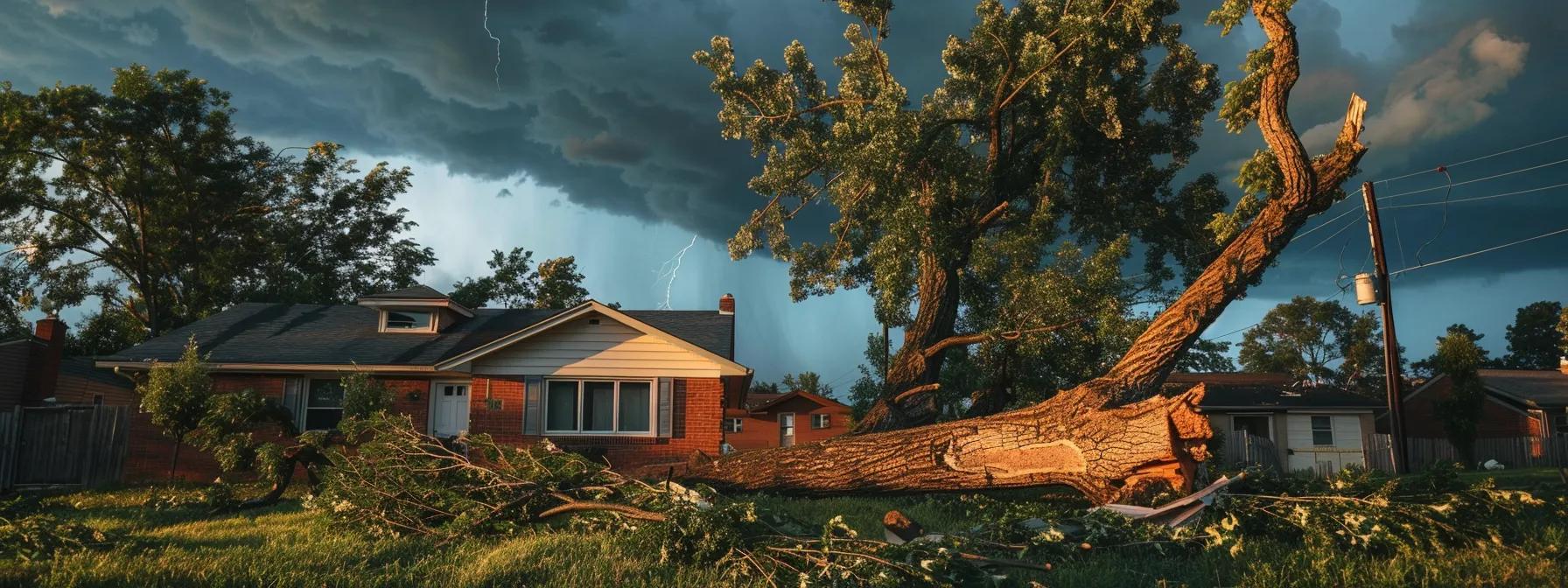
immediate tree removal is necessary (free estimates available) when trees threaten life and property. For example: – A tree leaning dangerously over a structure (e.g., a large oak or pine tilting toward your home in prescott valley) can collapse. – Storms or high winds can break off branches or entire trees, risking damage to roofs, vehicles, and outdoor furniture; press releases have documented similar incidents. – Trees near power lines that have become unstable need urgent removal to prevent electrical incidents or fires; communities following firewise guidelines are often better prepared. – Trees with significant decay, cavities, or visible signs of insect or fungal infestation pose a danger—local organizations like talking rock club advocate regular inspections. – Natural disasters—hurricanes, severe thunderstorms, or heavy snowfalls in Williamson Valley—can create dangerous debris and block driveways or emergency routes. learn m ore about us for further information on safeguarding your property.
In each case, prompt intervention secures the area, minimizes damage, and prevents further hazards.
A 24/7 Emergency Tree Removal Company follows a streamlined, efficient process: – Immediate Response: A certified arborist evaluates the situation remotely upon receiving an emergency call, then dispatches a specialist team promptly. – On-site Assessment: The team conducts a comprehensive site inspection to determine the safest removal method while cordoning off the area. – Strategic Planning: Using industry-standard protocols, the team plans the removal approach, deciding whether to dismantle the tree in sections or remove it completely. – Controlled Removal: Heavy machinery (cranes, chainsaws, stump grinders) and specialized techniques ensure safe, controlled dismantling to avoid collateral damage. – Coordination: Communication with the client is continuous, and if necessary, the crew collaborates with local authorities and insurance providers to streamline cleanup and claims. – Technology: In some cases, aerial drones and ground cameras are used to inspect difficult areas.
This systematic approach restores safety quickly and efficiently while preserving the surrounding environment.
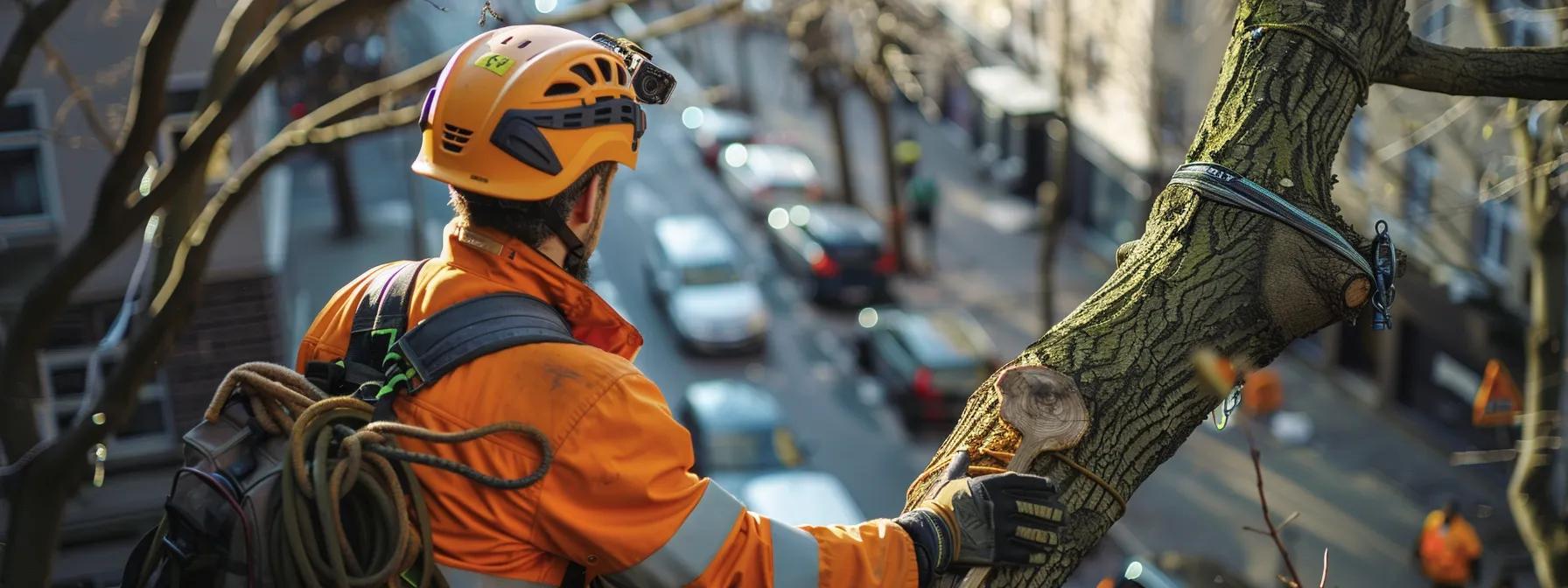
Certified arborists are essential for emergency tree services because they offer: – Enhanced Safety: Their specialized knowledge allows them to assess risks precisely and remove hazardous components with minimal danger. – Efficiency: Their training ensures that all removal procedures follow industry standards and local regulations, reducing the chance of repeat work. – Preventive Maintenance: Arborists can offer advice on routine trimming and care, preventing future emergencies. – Insurance Support: Many insurers require proof of professional removal; arborists provide clear documentation that eases the claims process. – Cost Savings: Doing the job correctly the first time minimizes additional repair costs.
Overall, hiring certified arborists ensures a safe, efficient, and cost-effective emergency response.
After a storm, emergency tree removal follows a specialized process: – Damage Assessment: A certified arborist inspects trees to identify breakage, leaning, and decay. This assessment determines which trees pose the greatest risk. – Prioritization: Trees near buildings, power lines, or public pathways are prioritized. – Removal: Heavy machinery and manual tools dislodge or remove hazardous trees. The removal is typically done in sections to control falling debris. – Debris Cleanup: After the tree is removed, crews clear away branches, leaves, and hazardous materials, preparing the site for repairs. – Documentation: Detailed records including photos and reports are compiled to support insurance claims. – Coordination: Crews may coordinate with local authorities if roadblocks or public hazards occur, ensuring public safety throughout.
This methodical process minimizes downtime and helps restore safety following storm damage.
Storms create several tree hazards: – Broken or Hanging Branches: Can act as dangerous projectiles in high winds. – Uprooted or Leaning Trees: May collapse unexpectedly. – Hidden Structural Damage: Micro-fractures or internal decay may weaken the tree over time. – Electrical Hazards: Trees near power lines can cause outages or fires if they fall. – Debris Accumulation: Fallen branches and leaves can block drainage, leading to water pooling and mold growth.
Addressing these hazards swiftly reduces the risk of injury and further property damage.
The response process after storm damage is structured as follows: 1. Initial Assessment and Communication: A certified arborist contacts the property owner immediately to understand the situation and provide safety advice. 2. On-Site Inspection: Quick evaluation of tree stability, hazardous limbs, and proximity to structures is conducted with documentation. 3. Securing the Area: The site is cordoned off with barriers and warning signs to prevent accidents. 4. Strategic Planning for Removal: The arborist formulates a removal plan—whether taking the tree down in sections or full removal—while deciding the safest directional cut. 5. Execution: Specialized equipment, such as chainsaws and cranes, is used to safely remove the tree. 6. Debris Cleanup and Restoration: A secondary team clears debris, ensuring the area is safe and ready for repairs. 7. Documentation for Insurance: Detailed reports and photographs are prepared to support an insurance claim.
This systematic approach minimizes risk and ensures a safe, orderly recovery from storm damage.
Homeowners can ensure safety by: – Staying Away: Avoid approaching storm-damaged trees until professionals secure the area. – Following Instructions: Adhere to safety barriers and personnel guidance. – Keeping Pets and Children Away: Maintain a safe distance from the work area. – Avoiding DIY Attempts: Do not attempt removal as specialized tools and expertise are required. – Maintaining Communication: Establish a contact with the tree removal company for updates. – Turning Off Power Sources: If advised, switch off nearby power sources to reduce risk.
Following these steps helps homeowners avoid injury and assists professionals in executing a safer removal.
Homeowner insurance often covers emergency tree removal if damage is due to a storm, lightning, or high winds, though specific terms and deductibles vary by policy. After removal, insurers typically require detailed documentation: – Photographs – On-site inspection reports by certified arborists – Itemized invoices for services rendered
Maintaining records of regular tree care can further support your claim by showing proactive maintenance. Many emergency tree removal companies offer assistance with the insurance documentation process, reducing delays and easing financial burdens.
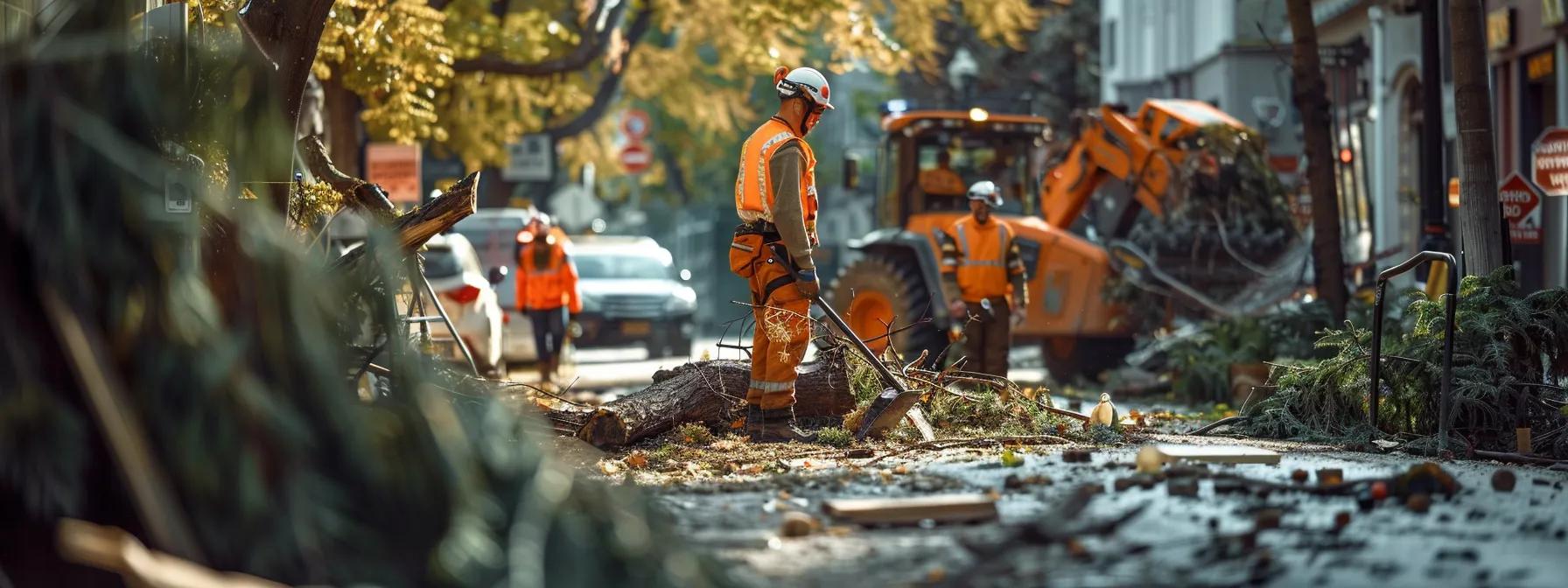
Beyond immediate tree removal, these companies provide several related services: – Tree Trimming and Pruning: Regular trimming maintains tree health and prevents future hazards by removing weak or damaged branches. – Stump Grinding and Removal: Once a tree is removed, stump grinding eliminates unsightly stumps and reduces decay risks. – Debris Cleanup and Site Restoration: Comprehensive cleanup clears hazardous debris, facilitating repairs and improving appearance. – Consultative Services for Replanting: Experts advise on suitable tree species and planting techniques for long-term resilience. – Emergency Cable Bracing: Temporary stabilization for trees that survive but are unstable. – Damage Assessment for Insurance Claims: Detailed documentation of damage to support insurance processes.
These additional services offer a holistic approach, ensuring immediate safety and long-term landscape health.
Regular tree trimming and pruning remove diseased, damaged, or overgrown branches, improving tree structure. Benefits include: – Enhanced structural integrity and reduced weight on weak limbs. – Better sunlight penetration and air circulation, promoting healthy growth. – Shaping trees to direct growth away from buildings and hazards. – Preventing future emergencies by addressing potential issues before they escalate.
Professional trimming is performed with precision to maintain tree health while recycling nutrients into the soil.
Stump grinding involves using specialized equipment to turn the remaining tree stump into small wood chips, eliminating hazards and improving aesthetics. Removing the stump: – Prevents decay and pest infestations. – Clears the area for replanting or other landscaping activities. – Minimizes long-term hazards, such as attracting termites or fungal growth.
After tree removal, a dedicated team handles debris cleanup: – Removing hazardous materials—branches, leaves, small remnants—with industrial-grade equipment. – Assessing the site for any exposed roots or other hazards. – Grading the land to ensure proper drainage and preparing the area for repairs or replanting.
This thorough cleanup not only prevents further injury or damage but also facilitates a smooth transition back to regular property maintenance.
The cost of emergency tree removal depends on factors such as tree size, location relative to structures, complexity of the removal, and urgency. Costs tend to be higher for difficult-to-reach trees or when specialized equipment is required. Companies usually offer free assessments and detailed quotes outlining: – Service charges for the initial assessment. – Labor charges based on crew size and equipment needed. – Disposal fees for debris cleanup.
Homeowner insurance may cover emergency removal if the damage is from a storm, lightning, or high winds, but policy terms vary. Review your policy to understand deductibles and claim limits. Maintaining regular tree care records can support your claim. Many companies also assist with insurance documentation, making the process less stressful.
Key factors include: – Tree Size and Species: Larger or denser trees require more labor and specialized equipment. – Proximity to Structures: Trees in densely built areas require extra caution and protective measures. – Terrain Complexity: Steep or uneven ground may increase costs due to additional safety requirements. – Weather Conditions: Adverse weather can necessitate extra precautions, affecting pricing. – Urgency: Emergency services available 24/7, including nights and weekends, typically command a premium. – Additional Hazards: Trees entangled with power lines require extra regulatory compliance and safety measures.
These factors explain why estimates can vary and underscore the importance of a professional on-site assessment.
To streamline insurance claims: – Choose a reputable company experienced in working with insurance providers. – Ensure detailed documentation is provided, including photos, inspection reports, and itemized invoices. – Maintain clear communication with your insurer and the tree removal service. – Ask for copies of all relevant documents and keep records of communications.
This collaborative approach helps minimize disputes and speeds up reimbursements.
Affordable options exist when you: – Compare quotes from multiple local service providers. – Look for companies offering free initial assessments and transparent pricing. – Inquire about financing options or flexible payment plans. – Consider preventive maintenance programs to reduce the need for emergency services. – Choose a local provider to reduce travel and overhead costs.
Always ensure the company you choose meets high safety and certification standards.

Selecting the right company is critical. Steps include: – Research Local Providers: Look for those with positive reviews, testimonials, and a strong local presence. – Check Certifications: Verify that the company employs certified arborists (ISA, TCIA) and carries proper insurance. – Assess Response Time: Ensure they offer 24/7 service with quick local response. – Review Customer Feedback: Real-life experiences indicate how the company handles emergencies and insurance claims. – Local Knowledge: Choose a company familiar with your area’s climate, soil conditions, and tree species.
These factors help you select a reliable, effective emergency tree removal service.
Look for: – Certifications from reputable organizations such as the International Society of Arboriculture (ISA) or the Tree Care Industry Association (TCIA). – Valid liability and worker’s compensation insurance. – Evidence of rigorous training and adherence to nationally recognized safety standards.
These credentials ensure high-quality, safe, and professional service.
Rapid response is crucial because delays can result in increased damage and safety risks. A company offering 24/7 availability and quick on-site responses minimizes injury risks and reduces repair costs associated with additional damage.
Reviews and testimonials provide insights about: – Response times and work quality. – Transparency during the insurance process. – Overall customer satisfaction and safety practices. – The thoroughness of debris cleanup.
Consistent positive feedback is a strong indicator of a reliable service.
Local knowledge helps companies: – Understand regional climate, soil types, and tree species. – Adapt removal methods to local environmental conditions. – Provide faster, more accurate service based on previous experience in the area.
This expertise leads to a safer, more efficient restoration of your property.
Safety is paramount in emergency tree removal. Key measures include: – Hazard Assessment: Certified arborists evaluate risks such as proximity to power lines or structures. – Protective Gear: Workers use helmets, gloves, and eye protection. – Controlled Techniques: Methods like controlled felling and sectional dismantling minimize accidents. – Safety Zones: Establishing barriers and coordinating with local authorities to secure the area. – Ongoing Monitoring: Continuous supervision of the removal process to adapt to any evolving hazards.
Arborists assess trees through: – Visual inspections for decay, disease, and structural weaknesses. – Structural analysis of the trunk and limbs. – Use of diagnostic tools (resistographs, sonic tomography) to detect internal decay. – Evaluating tree lean and potential root damage.
This detailed assessment determines if immediate removal is necessary.
Essential equipment and techniques include: – Heavy machinery (cranes, bucket trucks, stump grinders) for efficient removal. – Manual tools (chainsaws, ropes) for precise cutting. – Techniques such as sectional dismantling and directional felling to control the tree’s fall. – Use of aerial lifts for accessing difficult branches.
These methods help ensure safety and minimize collateral damage.
Homeowners should avoid: – Approaching unstable or damaged trees. – Attempting any DIY removal or trimming. – Interfering with established safety barriers. – Ignoring safety warnings or entering the work zone. – Making any changes that might compromise the removal process.
These precautions reduce the risk of injury until professionals secure the area.

Emergency tree removal companies typically serve wide geographic areas with an emphasis on local response. Local providers understand regional environmental conditions, regulations, and landscape characteristics. For example, companies servicing Prescott and Yavapai County are familiar with local climate and soil conditions affecting tree stability.
Methods to find local services include: – Online Searches: Use phrases like “24 hour tree service near me” or “emergency tree removal Prescott.” – Local Directories: Check community business listings. – Referrals: Ask neighbors or property managers for recommendations. – Social Media & Forums: Look for local testimonials on platforms like Instagram or Facebook. – Review Sites: Use Yelp and Google Reviews to gauge reputation and reliability.
Identify services by: – Conducting targeted Google searches with your location. – Reviewing websites with detailed service descriptions, testimonials, and project photos. – Checking local listings and the Better Business Bureau for credibility.
Choosing local offers: – Faster Response: Proximity shortens response time. – Local Expertise: Familiarity with regional weather and tree species. – Personalized Service: Strong community reputation and customer care. – Competitive Pricing: Reduced travel costs often lead to better rates. – Enhanced Reliability: Local businesses depend on community trust.
Service area pages on company websites: – Provide maps and detailed descriptions of coverage areas. – Include customer testimonials and local service processes. – Help verify if your property is within the service region. – Streamline scheduling with region-specific information.
Below is a summary table of key attributes to look for when selecting an emergency tree removal service:
| Attribute | Description | Benefit | Example/Value |
|---|---|---|---|
| Certified Arborists | Professionals with ISA or TCIA certification | Expert assessment and safe removal | ISA Certified |
| 24/7 Availability | Services available around the clock | Rapid response during emergencies | 24/7/365 |
| Local Knowledge | Expertise in region-specific tree species and risks | Tailored service and faster response | Prescott, Yavapai |
| Insurance & Liability Coverage | Comprehensive coverage for liability and damages | Mitigates financial risks | Full coverage |
| Rapid Response Time | Quick on-site arrival and efficient service | Minimizes property damage | Under 1 hour |
| Customer Reviews and Testimonials | Positive feedback from local clients | Indicator of reliability | 4.8/5 rating |
| Equipment & Technology | Use of modern machinery and safety equipment | Increased safety and precision | Advanced chainsaws, cranes |
This table serves as a quick reference guide to help you choose a high-quality emergency tree removal service.
Q: What exactly is 24 Hour Emergency Tree Removal? A: It is a service that removes hazardous trees or branches immediately after damage is detected, regardless of the time. This service prevents property damage and personal injury during storms or emergencies by assessing the situation, securing the area, and executing safe removal.
Q: How do I know if my tree requires emergency removal? A: Signs include a tree severely leaning toward a structure, extensive storm damage, broken or hanging branches, cracking sounds, decay, or proximity to power lines. A certified arborist can conduct a thorough inspection to determine if removal is necessary.
Q: Is emergency tree removal covered by homeowner insurance? A: Often yes, if the damage is due to a covered peril like a storm, high winds, or lightning. However, coverage varies by policy, including deductibles and limits. It’s important to review your policy and consult your insurer.
Q: What safety precautions should I take during an emergency tree removal? A: Keep a safe distance from the affected area, do not attempt DIY removal, secure children and pets, follow all safety instructions from professionals, and avoid interfering with the work zone.
Q: How does a local emergency tree removal company benefit my property? A: Local companies bring regional expertise, ensuring a rapid response with tailored solutions for local tree species, weather conditions, and regulations. This leads to faster service, competitive pricing, and enhanced customer satisfaction.
By understanding every aspect of emergency tree removal—from operations and costs to safety and additional services—homeowners and property managers can confidently navigate emergencies knowing expert help is available. Trusting proven local professionals ensures a rapid, safe, and efficient resolution to tree hazards, protecting your property and loved ones.