
Introduction
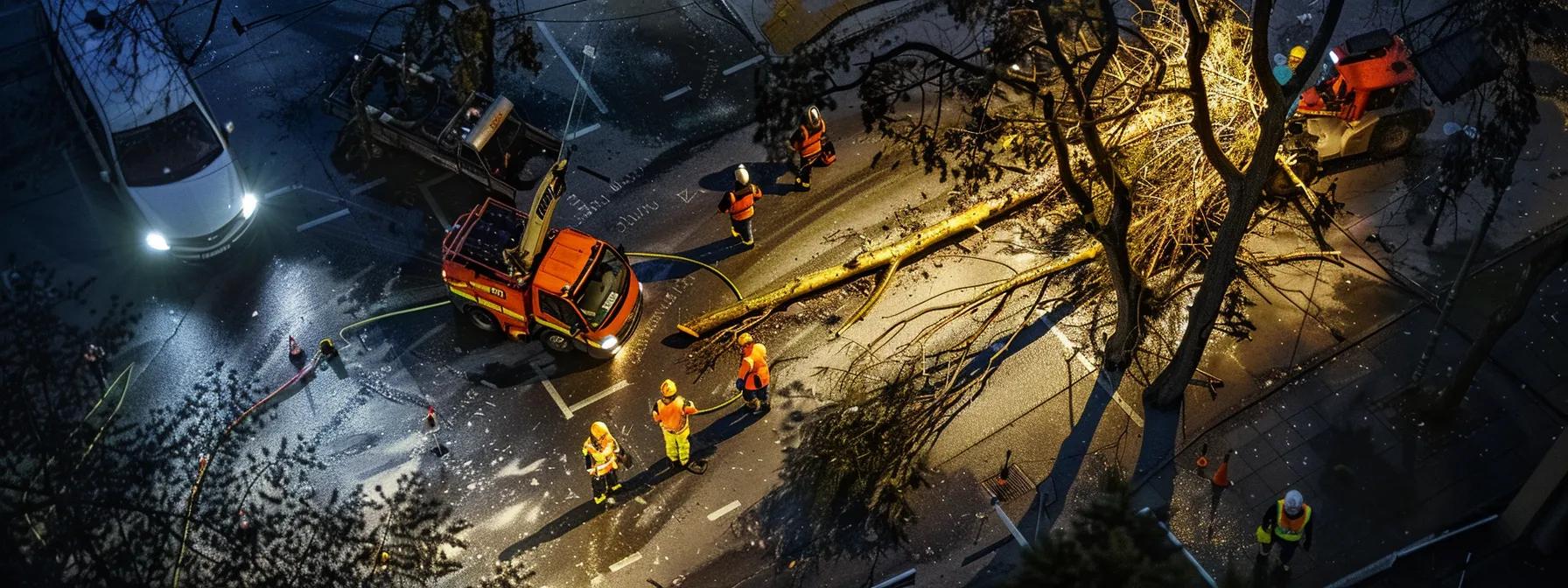
In today’s unpredictable weather and rapidly changing urban environments, sudden tree hazards can escalate into emergencies. Whether it’s a storm-damaged limb or a fallen tree blocking a driveway, a tree emergency poses serious safety risks and property damage. As a homeowner or property manager in Prescott, the surrounding Yavapai County, and Prescott Valley, you need a dependable service that handles emergencies promptly and professionally. This article explores the concept of 24-hour emergency tree removal and tree service—with free estimates available for urgent situations—explains why it is essential, describes the work process and safety measures used by expert arborists incorporating Firewise (AI Overview of what Firewise is about) principles, and outlines the criteria to consider when selecting the best emergency tree removal company. For further details, please learn about us.
Emergency tree removal is more than just cutting down a tree; it is a coordinated process designed to protect your property and the people nearby. For residents in Prescott Valley who need free estimates, our team is prepared to provide rapid response in these critical situations. With extensive experience in landscaping and certified arboriculture, I understand that timely action minimizes further damage—whether from falling debris or water damage caused by blocked drainage—and helps prevent accidents and injuries. This article highlights the situations requiring immediate removal, the process and equipment involved, additional services like stump grinding and storm cleanup, and the safety protocols professionals employ throughout the operation. To learn about us and our commitment to quality service, read more on our website.
By understanding the intricacies of 24-hour emergency tree removal—which may include free estimates and tailored solutions—you can act swiftly when emergencies arise. For instance, many top-rated emergency tree service providers in Prescott Valley offer comprehensive support. Knowing what to expect from an emergency tree service—including safety protocols rooted in Firewise practices, insurance coordination, and equipment readiness—gives you confidence when selecting a service provider who truly meets your needs. The following sections delve deeper into each facet of emergency tree removal, explaining why it is crucial for maintaining a safe and visually appealing outdoor living space. read more
24-hour emergency tree removal in Prescott Valley is a fast-response service designed to immediately address hazardous situations that threaten safety, property integrity, and infrastructure. For residents seeking free estimates, our service ensures quick assessment and remediation to prevent further hazards. It is essential because tree emergencies can result in severe outcomes, including injuries, damage to vehicles and structures, and disruptions to daily activities. With our Firewise standards integrated into the response, immediate intervention minimizes further damage and ensures that the affected area is safe for emergency services, homeowners, and neighbors.
Emergency tree removal is typically necessary when trees or branches become destabilized by severe weather events such as thunderstorms, heavy winds, or lightning strikes. In regions like Prescott Valley, such risks may be even higher. Other situations include trees weakened by disease or pests, those obstructing power lines, roads, or buildings, and trees showing signs of decay in high-traffic areas (Firewise practices are essential). For example, if a large branch threatens to collapse onto a roof or block a commercial exit, the risk is significant. Additional scenarios include heavy snowfall or accidents where a tree falls across an access road. Homeowners with unstable trees near foundations or in areas with water pooling should seek immediate emergency services (free estimates available). Delaying removal can exacerbate damage, compromise safety, and result in higher repair costs. A prompt assessment by certified arborists ensures that the appropriate removal method is applied, reducing risk and preserving the aesthetic appeal of your outdoor environment (learn about us for detailed guidance). For further details, read more.
The key advantage of 24-hour availability is that professional help is always accessible, regardless of the time of day. In emergencies occurring at night or on holidays, every minute counts. Rapid response is crucial to avoid secondary damage from unstable debris or changing weather conditions. Emergency tree services operating around the clock utilize mobile response units and specialized machinery to begin hazard assessment immediately. In prescott valley, customers can also benefit from free estimates when immediate assistance is required.
Such services also prevent cascading damage; for instance, a fallen tree may block drainage systems and cause water backup and structural issues. Quick action clears hazards and aids in restoring normalcy. Advanced communication systems and GPS-based dispatching help these companies determine the best route and method, ensuring safe and efficient tree removal while minimizing additional risks. Many of these companies employ firewise practices to reduce further risks. For further details, read more about us.
Emergency tree removal services address various hazards including unstable trees at risk of collapse, snapped branches from storms, and trees compromised by disease or pests. They also handle trees affected by external forces such as construction vibrations or accidental vehicle impacts. For additional convenience, free estimates are available for clients seeking swift solutions. Some hazards include trees showing extensive decay or structural weaknesses identifiable by hollow trunks or fungal growth. Other issues involve trees interfering with power lines or communication systems, potentially triggering outages. In areas like prescott valley, service teams adhere to firewise regulations to improve safety measures during tree removal projects. Each hazard is evaluated based on risk assessments, property layout, and environmental factors. These evaluations determine whether full removal is necessary or if pruning and support measures will suffice. To gain further insight into the process, read more on our detailed guidelines.
A 24 hour emergency tree service follows a systematic protocol to ensure rapid response, accurate assessment, and safe removal of hazardous trees, free estimates. The process begins as soon as a call is received, with a team of certified arborists and tree removal experts dispatched to assess the situation on-site. The response is streamlined to allow immediate hazard evaluation without delay.
Advanced communication and tracking systems help determine the best approach for accessing the property in prescott valley. Safety and operational efficiency are central; team members wear appropriate personal protective gear and operate specialized machinery such as cranes, chippers, and stump grinders designed for emergencies in firewise communities. Clear communication among team members and with the property owner ensures that every action is informed by real-time data and situational awareness.
The process starts with a comprehensive assessment including a visual inspection of the tree’s health, structural integrity, and surrounding conditions. arborists check for factors such as root damage, decay, or external impacts that may affect nearby structures. this detailed risk assessment is critical in determining the most appropriate removal method – for free estimates, our evaluation approach ensures transparency and customer confidence. Once the hazard is assessed, the team devises a removal plan and selects the best equipment and techniques. this may involve controlled dismantling of the tree, rigging techniques to lower branches safely, or, in extreme cases, using a crane near important structures in prescott valley. each step is documented and safety protocols are strictly followed, balancing rapid action with careful safety measures. our commitment to safety extends to following firewise practices, so if you wish to read more, further details are available on our website.
Response times for 24 hour emergency tree services in prescott valley are measured in minutes. Since these services are available around the clock, emergency teams are on standby with mobile units fully stocked with the necessary equipment, and for free estimates, you can always reach out to our support team. Most reputable companies guarantee a response within 30 minutes to one hour depending on proximity, ensuring a firewise approach to minimizing hazards. This rapid response minimizes the hazard duration, limiting safety risks and potential property damage. Robust logistics management, including the use of GPS and real-time traffic data, supports the efficiency of the service. Teams are also trained to adapt to challenges such as poor weather or difficult access routes, ensuring that help is swiftly provided and overall property protection is enhanced. learn about us on our website if you would like to read more or check our press releases for the latest updates.
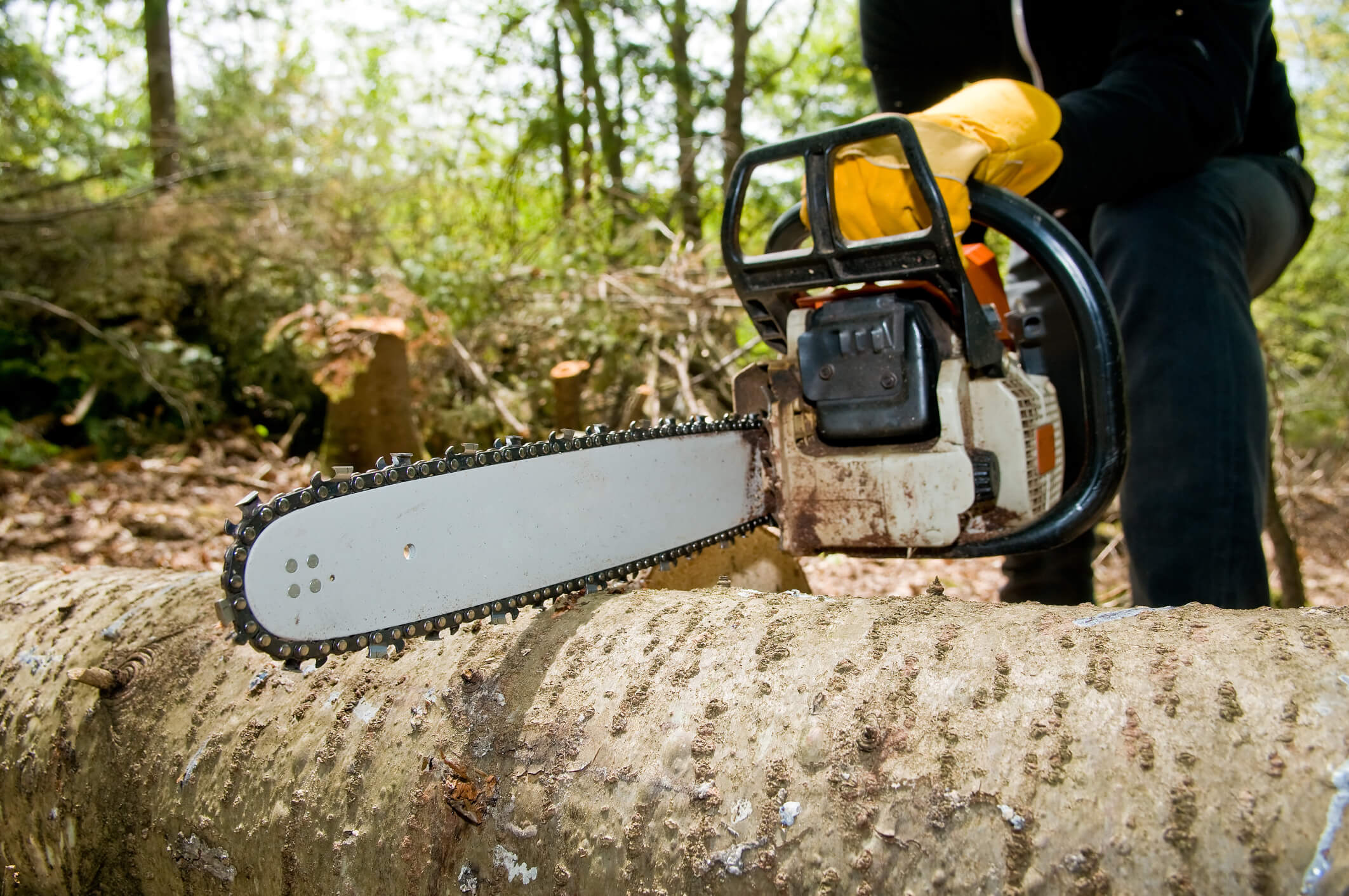
The effectiveness of a 24 hour emergency tree removal service depends on its specialized equipment and the expertise of its arborists. Modern teams use advanced technology including mobile cranes, high-powered chainsaws, hydraulic cutting tools, and stump grinding machines. These tools are calibrated for precision and safety, enabling intricate removals even near sensitive structures like power lines or buildings. Team members are typically ISA (International Society of Arboriculture) certified and have extensive hands-on training. This expertise allows them to efficiently assess and manage risks while upholding a high standard of care for both people and property. In some cases, they also evaluate the broader landscaping context to address any secondary risks.
Emergency tree service offerings extend beyond the removal of hazardous trees. In addition to immediate removal, services often include complete debris cleanup, thorough site inspection, stump grinding, and hazardous tree assessments. This comprehensive approach ensures that the area is not only safe but also visually appealing, restoring your property to its pre-emergency state as quickly as possible.
Emergency tree removal differs from regular tree removal in that it prioritizes speed and safety in response to urgent hazards. Scheduled removals allow for measured processes over several days, but emergency removals require immediate intervention to prevent further damage. Methods differ as well; in emergencies, trees may be cut in sections to lower them safely away from obstacles, whereas planned removals often involve a complete dismantling process for long-term management and disposal. Emergency crews are specially trained to handle unpredictable hazards such as unstable branches or falling debris. Their protocols combine rapid action with strict safety measures to minimize risks to both property and public safety while resolving the emergency efficiently.
Stump grinding removes the remaining stump after a tree is cut down. This step is vital because a leftover stump can harbor pests or decay over time, compromising soil quality and affecting surrounding vegetation. Grinding the stump below ground level eliminates any chance of regrowth and minimizes future hazards. Moreover, stump grinding improves the yard’s appearance by removing unsightly remnants and providing a smooth surface for future landscaping or construction projects. High-powered grinding machines transform the stump and roots into small wood chips, which can sometimes be repurposed as mulch.
Storms and other natural events can cause extensive tree damage on a property. Emergency tree services handle storm damage cleanup by combining heavy machinery with expert manual labor. Once hazardous trees or branches are removed, the cleanup process involves clearing all debris—branches, leaves, and broken limbs—to prevent further hazards and restore the landscaping quickly. Experienced teams conduct a post-event evaluation to ensure that immediate dangers are resolved and any underlying damage to roofs, drainage systems, or foundations is identified for repair. Specialized crews may also chip and mulch debris, offering an eco-friendly and cost-effective cleanup solution.
Hazardous tree assessment is a crucial component of emergency tree removal. Upon arrival, certified arborists inspect the affected tree and its surroundings, evaluating not only visible damage but also underlying structural issues that could lead to future hazards. This assessment helps determine whether pruning is sufficient or if complete removal is necessary. Using visual cues and diagnostic tools to measure tree stability, the assessment report guides the removal process and helps prevent future emergencies by identifying other at-risk trees. In this way, hazardous tree assessments form the foundation of a comprehensive emergency response plan addressing both immediate and long-term safety needs.
Safety is the cornerstone of any emergency tree service, with robust protocols implemented at every stage. From the initial call to final cleanup, every step is designed to protect property, crew, and the public. Certified arborists follow industry-standard safety measures including the use of personal protective equipment (PPE), specialized rigging and climbing systems, and the responsible operation of high-powered machinery. These protocols are continuously updated to align with the latest standards and best practices. A key element is the pre-assessment of potential hazards around the work area. Prior to removal, professionals identify nearby structures or power lines that could be affected, setting up secure work zones and controlled dismantling techniques to minimize accidental injury. Safety barriers and warning signage further protect bystanders. Additionally, emergency services work closely with local authorities and insurance companies to ensure proper documentation and regulatory compliance, offering homeowners peace of mind, especially when filing insurance claims.
Certified arborists adhere to rigorous safety standards during emergency removals. Their protocols start with pre-arrival site evaluations and on-site risk assessments, followed by establishing safety perimeters. Each team member is equipped with helmets, eye protection, gloves, and protective clothing to guard against accidents. Controlled falling methods and proper rigging ensure every cut is planned and executed precisely. Strict communication protocols using radios or mobile devices guarantee that any unforeseen risks are immediately addressed. Regular equipment inspections and maintenance further reduce the chance of mechanical failures during removal.
Minimizing property damage begins with careful planning and a detailed risk assessment. Professionals mark out drop zones to ensure that falling branches or debris do not damage nearby structures, vehicles, or landscaping. Specialized equipment such as cranes and rigging systems are used to maneuver heavy tree sections safely away from the property. Emergency teams may schedule the work during off-peak hours and move vulnerable outdoor items to safer locations. Protective coverings can be placed over windows and vehicles. Arborists tailor their approach according to the property’s unique layout and materials to ensure damage is minimized while efficiently removing the hazard.
After an emergency tree incident, many property owners must manage insurance claims. Reputable tree removal companies coordinate closely with insurance providers by meticulously documenting the work performed. They take photographs, prepare incident reports, and provide detailed breakdowns of services and costs. This documentation streamlines claims processing and helps homeowners recover financially from the unexpected damage, easing the stress during an already challenging time.
Selecting the right emergency tree removal service is crucial for ensuring safety, quality, and peace of mind during hazardous situations. With many providers in Prescott and Yavapai County offering rapid response and expert service, it is important to evaluate potential companies based on several criteria including qualifications, certifications, response times, customer reviews, pricing, and service guarantees.
A high-quality emergency tree removal service should employ ISA-certified arborists with extensive field experience and rigorous training. Additional certifications from local and national safety boards further validate their expertise. It is important to confirm that the company holds all necessary licenses and permits and is fully insured to cover accidental damage or injury during removal. Quality companies invest in continuous education for their staff and provide documentation of previous projects along with client testimonials. These credentials ensure that the work is performed safely and efficiently and give homeowners confidence in the provider’s emergency response.
Response time is one of the most important factors when evaluating service providers. Look for companies that guarantee an arrival time within 30 minutes to an hour. Reviews and testimonials can verify whether the company consistently meets these time frames. Ensure that the provider offers 24/7 availability including holidays and nights, with clear indicators of after-hours service and emergency dispatch capabilities. A dedicated helpline further assures that customers can reach the company promptly in an emergency.
Customer reviews and testimonials offer valuable insights into a company’s reliability, quality, and professionalism. Clients often highlight quick response times, thorough cleanups, competitive pricing, and effective safety measures. Look for recurring patterns of positive feedback in online reviews and consider asking for references if needed. Third-party review platforms and local business directories also provide unbiased ratings, helping you assess whether a provider consistently meets its service promises and values customer satisfaction.
When comparing pricing, obtain estimates from multiple providers to ensure competitive rates for the required expertise. Transparent companies offer detailed cost breakdowns that include labor, equipment use, and any additional services such as cleanup or stump grinding. Service guarantees—whether for quality of work or adherence to response times—are also important, as providers who stand behind their work often offer warranties to protect against unforeseen costs. Read contracts and service agreements carefully to avoid hidden fees, ensuring you get efficient, cost-effective, and high-quality emergency tree removal services.
Understanding the common causes that lead to emergency tree removal helps homeowners proactively prevent disasters. Tree emergencies are often triggered by natural events, deteriorating tree health, or physical damage. Recognizing these causes early enables timely preventive measures, potentially saving both time and money. Common triggers include severe weather events, structural damage, pest infestations, and the natural aging and decay of trees.
Severe weather conditions such as thunderstorms, high winds, and heavy snowfall can significantly damage trees. High winds can uproot trees or break branches, leaving them unstable. Lightning strikes can compromise a tree’s internal structure, greatly increasing the risk of collapse. Natural disasters also affect soil stability, exacerbating the problem. In these situations, delay in removal may result in additional structural damage, water infiltration into buildings, or injuries to residents. This unpredictability is why 24 hour emergency tree services are essential to rapidly evaluate and remove hazards before they escalate.
Fallen trees and broken limbs can cause severe damage to any property in their path. In residential settings, such hazards may damage roofs, break windows, and disrupt utility lines, possibly leading to power outages. In commercial environments, a fallen tree might block roadways or interrupt operations, posing risks to pedestrians. The resulting debris further complicates cleanup and drives up repair costs. Even small branches can turn dangerous during adverse weather, making immediate removal crucial to protect both life and property.
Proactive maintenance is key to preventing tree emergencies. Homeowners should regularly inspect trees for signs of cracks, fungal growth, leaning, or dying branches that may indicate decay or structural weakness. Discoloration of leaves or unusual growth patterns can also signal stress. Engaging a certified arborist for routine evaluations can help identify potential hazards early. Diagnostic tools, such as resistance testing, may reveal structural weaknesses that are not obvious to the untrained eye. Early detection enables timely interventions like pruning, bracing, or even preemptive removal, ensuring the tree’s health and overall property safety.
Proper preparation for a tree emergency can mitigate damage and safeguard everyone involved. Early planning and having an established protocol are crucial. Keep contact information for certified emergency tree removal services readily available. Maintaining clear access to your property and managing landscaping can reduce risks when natural disasters occur. Routine tree health checks and prompt action for any noticeable hazards further enhance safety. When an emergency occurs, the first priority is to secure a safe area and clear immediate access routes for first responders. This may involve moving outdoor furniture, securing pets, or evacuating family members if necessary. Once safety is ensured, call a 24 hour emergency tree removal service immediately. When professionals arrive, they will assess the situation and begin removing the hazardous tree or branch as quickly and safely as possible. After removal, document the damage with photographs and detailed notes for insurance purposes. This documentation, together with the incident reports provided by the tree service, will streamline the claims process and facilitate faster recovery. Finally, regular maintenance and preventive pruning can reduce the risk of future emergencies, making your property more resilient against severe weather and natural wear.
Immediately following a tree event, property owners should ensure personal safety and evacuate the area if needed. Once safe, assess the damage from a secure distance and document it with clear photographs and detailed notes. This record is important for insurance claims and for informing the emergency tree removal service about the situation. Next, contact a reputable 24 hour emergency tree removal service. Reliable companies have protocols for rapid dispatch and prompt hazard assessment. If safe, move vehicles or valuable items from the hazard zone, cordon off the area, and alert neighbors to increase overall safety. Finally, compile any relevant insurance policies or warranty information to expedite the claims process.
Call an emergency tree removal service immediately if you notice a tree or branch that appears unstable or poses a visible risk to life or property. Do not wait for further deterioration. Signs include cracked trunks, large branches dangerously close to structures, or trees leaning due to storm damage or interfering with utility lines. Even if the danger seems minor initially, delayed action can escalate the risk. A prompt call can prevent additional damage, lower repair costs, and, most importantly, save lives. Professional arborists will then assess the situation and determine whether pruning, bracing, or full removal is necessary.
To facilitate a smooth insurance claims process, document tree damage thoroughly. Take clear photographs of the affected areas from multiple angles, ensuring that the full scope of damage is visible. Capture any collateral damage to structures, vehicles, or landscaping. In addition, record detailed notes that include the date, time, weather conditions, and circumstances of the damage. If possible, obtain a written report from the emergency tree service outlining their assessment, removal methods, and repair recommendations. Keep copies of all correspondence with your insurance company and receipts for any emergency repairs. This proactive documentation is essential for proper compensation and expedites the claims process.
Preventing future tree emergencies involves proactive inspection, regular maintenance, and strategic landscaping. Regular evaluations by certified arborists can identify early signs of decay, pest infestation, or structural weakness. Routine trimming and corrective pruning reduce the risk of branch breakage during storms, while proper soil care and adequate watering promote overall tree health. Invest in preventive treatments such as fertilizer applications and pest control. Consider installing early warning or monitoring systems during seasons of severe weather, such as high winds or heavy rains. Finally, thoughtful landscaping design—choosing species less prone to decay or high branch fall risk and ensuring proper drainage—significantly lowers the risk of tree emergencies and helps maintain a safe, attractive property.
Below are several lists and tables summarizing common aspects of emergency tree removal services, tree hazards, and safety protocols.
| Service Provider | Response Time | Certification Level | Equipment Available | Additional Cleanup Services | Insurance Coordination | Customer Rating |
|---|---|---|---|---|---|---|
| Yavapai Landscaping | Within 30 min | ISA Certified Arborists | High-powered chainsaws, cranes, grinders | Complete debris removal | Full support | 4.8/5 |
| Prescott Tree Experts | 45-60 min | State Licensed, ISA Certified | Hydraulic cutters, stump grinders | Debris and site cleanup | Claims assistance | 4.6/5 |
| Rapid Response Tree Care | 30 min | Certified Arborists | Mobile cranes, safety rigging | Full hazardous disposal | Comprehensive support | 4.7/5 |
| Emergency Tree Masters | Within 1 hour | ISA, EPA Approved | Advanced chippers, mulchers | Debris recycling | Insurance liaison | 4.5/5 |
| AZ Tree Rescue | 45 min | Licensed Arborists | Complete removal kits, rigging gear | On-site cleanup | Insurance documentation | 4.7/5 |
| Wildland Tree Service | 30-45 min | Certified and Insured | High-tech safety equipment | Removal and grinding | Full claims support | 4.6/5 |
| Prescott Urban Arborists | Under 1 hour | ISA Certified, Local Awards | Mobile removal units, emergency lighting | Extensive site restoration | Assists with claims | 4.8/5 |
Before selecting a provider, review these key criteria and consider your specific needs, including the scale of the hazard and any additional services required.
| Tree Hazard Type | Risk Level | Potential Damage | Safety Concern | Typical Emergency Response | Preventive Measures | Estimated Cost Impact |
|---|---|---|---|---|---|---|
| Storm-Damaged Branches | High | Roof, windows, vehicles | High injury risk | Immediate removal, debris cleanup | Regular pruning | Significant |
| Decaying Tree Structure | Very High | Foundation damage, collapse | Life-threatening | Controlled dismantling, full removal | Annual inspections | Very High |
| Pest-Infested Trees | Moderate | Structural instability | Risk of spread | Pruning or removal, pest control | Preventative pesticide use | Moderate |
| Fallen Trees | Critical | Blocked access, property damage | Immediate injury risk | Rapid removal, heavy machinery use | Early hazard detection | High |
| Lightning-Struck Trees | High | Internal decay, sudden collapse | Severe safety hazards | Full removal or reinforcement | Electrical grounding checks | High |
| Overgrown Trees | Moderate | Limb breakage during wind | Property damage | Pruning and controlled removal | Regular maintenance | Moderate |
| Waterlogged Trees | High | Root rot, soil instability | Risk of collapse | Support bracing, emergency removal | Improved drainage systems | Significant |
These tables illustrate the complexity of handling tree emergencies and serve as a reference when evaluating risks and choosing the appropriate course of action.
| Equipment/Safety Feature | Yavapai Landscaping | Prescott Tree Experts | Rapid Response Tree Care | Emergency Tree Masters | AZ Tree Rescue | Wildland Tree Service | Prescott Urban Arborists |
|---|---|---|---|---|---|---|---|
| Mobile Cranes | Yes | Yes | Yes | Yes | Yes | Yes | Yes |
| High-Powered Chainsaws | Yes | Yes | Yes | Yes | Yes | Yes | Yes |
| Hydraulic Cutting Tools | Yes | Yes | Yes | Yes | Yes | Yes | Yes |
| Stump Grinders | Yes | Yes | Yes | Yes | Yes | Yes | Yes |
| Safety Rigging Equipment | Yes | Yes | Yes | Yes | Yes | Yes | Yes |
| ISA Certification | Yes | Yes | Yes | Yes | Yes | Yes | Yes |
| Emergency Lighting | Yes | Limited | Yes | Yes | Yes | Yes | Yes |
This table allows you to compare each provider’s commitment to safety and quality in equipment and personnel certification for informed decision-making.
Q: What is 24 hour emergency tree removal? A: It is a specialized service providing rapid, professional removal of hazardous trees and branches any time of day or night. Operating around the clock, these services quickly address life-threatening situations from storms, decay, or damage, reducing further harm and streamlining recovery.
Q: How quickly can emergency tree removal teams arrive? A: Most reputable companies guarantee a response within 30 minutes to an hour, supported by dedicated mobile units and streamlined dispatch systems. Quick response minimizes further damage and injury while reducing cleanup time and overall repair costs.
Q: What safety measures do arborists follow during removal? A: Certified arborists follow comprehensive safety protocols including pre-assessment of the site, use of PPE, establishing secure work zones, and careful planning with advanced rigging and cutting techniques. They maintain constant communication to ensure that every step is executed safely.
Q: How can I prevent future tree emergencies? A: Regular maintenance and inspections by certified arborists are key. Preventative measures include routine pruning, pest control, proper soil health management, and appropriate landscaping designs with adequate drainage. Early identification of hazards allows for timely interventions.
Q: What should I do immediately after a tree emergency occurs? A: Ensure personal safety first and evacuate if necessary. Document the damage with clear photographs and detailed notes, then contact a reputable 24 hour emergency tree removal service immediately. Secure the area, move vulnerable items if possible, and coordinate with your insurance provider to file a claim.
Q: How does insurance coordination work after tree removal emergencies? A: Quality emergency tree removal services assist with insurance coordination by providing detailed incident reports, photographic documentation, and cost breakdowns. This thorough documentation streamlines claims processing and covers financial aspects of repairs and cleanup, reducing stress for property owners.
Q: What certifications should I look for in an emergency tree removal service? A: Look for companies employing ISA-certified arborists along with additional local safety certifications. These credentials indicate the provider’s expertise and adherence to industry standards. Insurance coverage is also critical to protect both the service provider and the property owner from unforeseen incidents.
By following these guidelines and insights, you can confidently navigate the complexities of emergency tree removal and ensure that your property remains safe and well-maintained even in the face of natural hazards.