
Modern home with a swimming pool, landscaped yard, and outdoor seating area
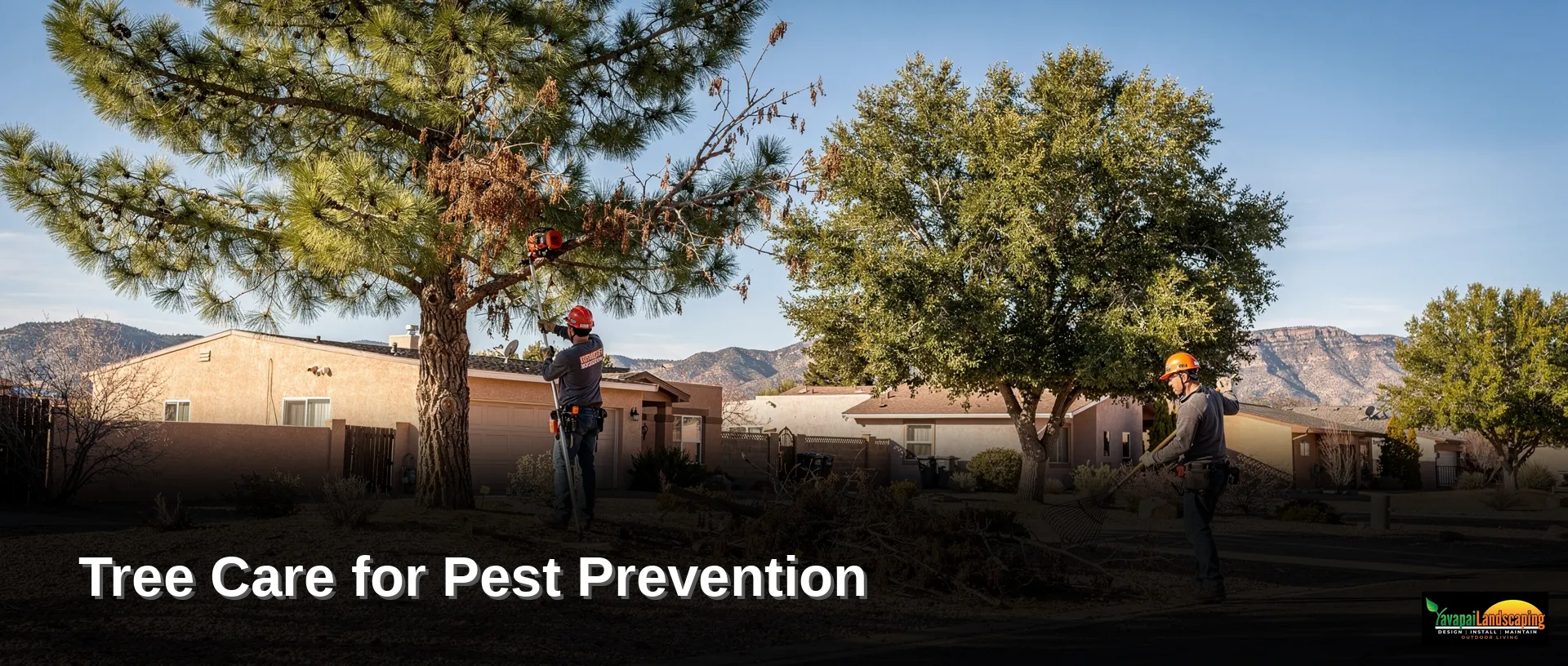
Regular tree trimming in Prescott, Arizona removes dead or infested branches that attract bark beetles and borers. Yavapai Landscaping recommends pruning during dormancy to reduce stress and prevent pest spread. Tree care also improves airflow and sunlight penetration, keeping trees healthier and less vulnerable to infestations common in Yavapai County.
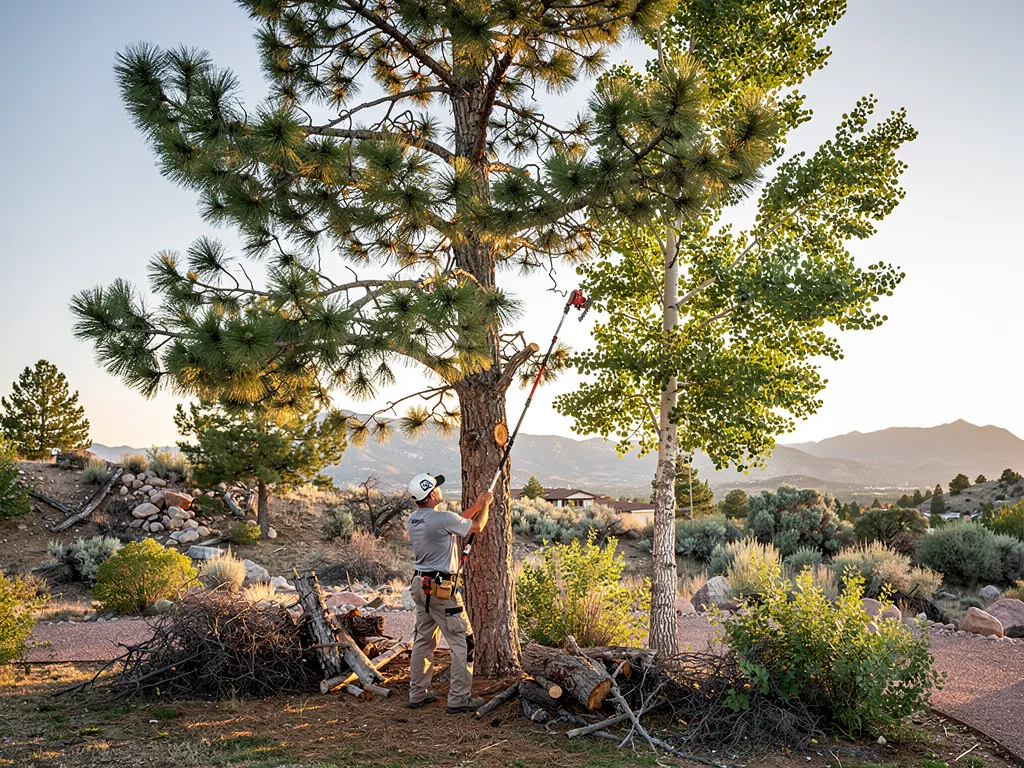
Regular tree trimming removes dead or infested branches that attract bark beetles and borers in Prescott.
Pruning during dormancy reduces tree stress and prevents pest spread across Yavapai County properties.
Opening the canopy through selective cuts dries the interior quickly after monsoon rains, disrupting pest reproduction.
Removing deadwood, thinning overcrowded shrubs, and extracting invasive plants eliminates habitat pests need to establish colonies.
Strategic pruning removes the damaged, dead, or dense growth where pests establish colonies. Pests damage foliage, hinder photosynthesis, and weaken trees over time, and unpruned canopies create the sheltered, humid conditions that accelerate infestation spread across a Prescott property.
Dense, unthinned branches block airflow and trap moisture. That still, humid microenvironment attracts borers, aphids, and scale insects. Opening the canopy through selective cuts dries the interior quickly after monsoon rains. Pests lose the conditions they need to reproduce.
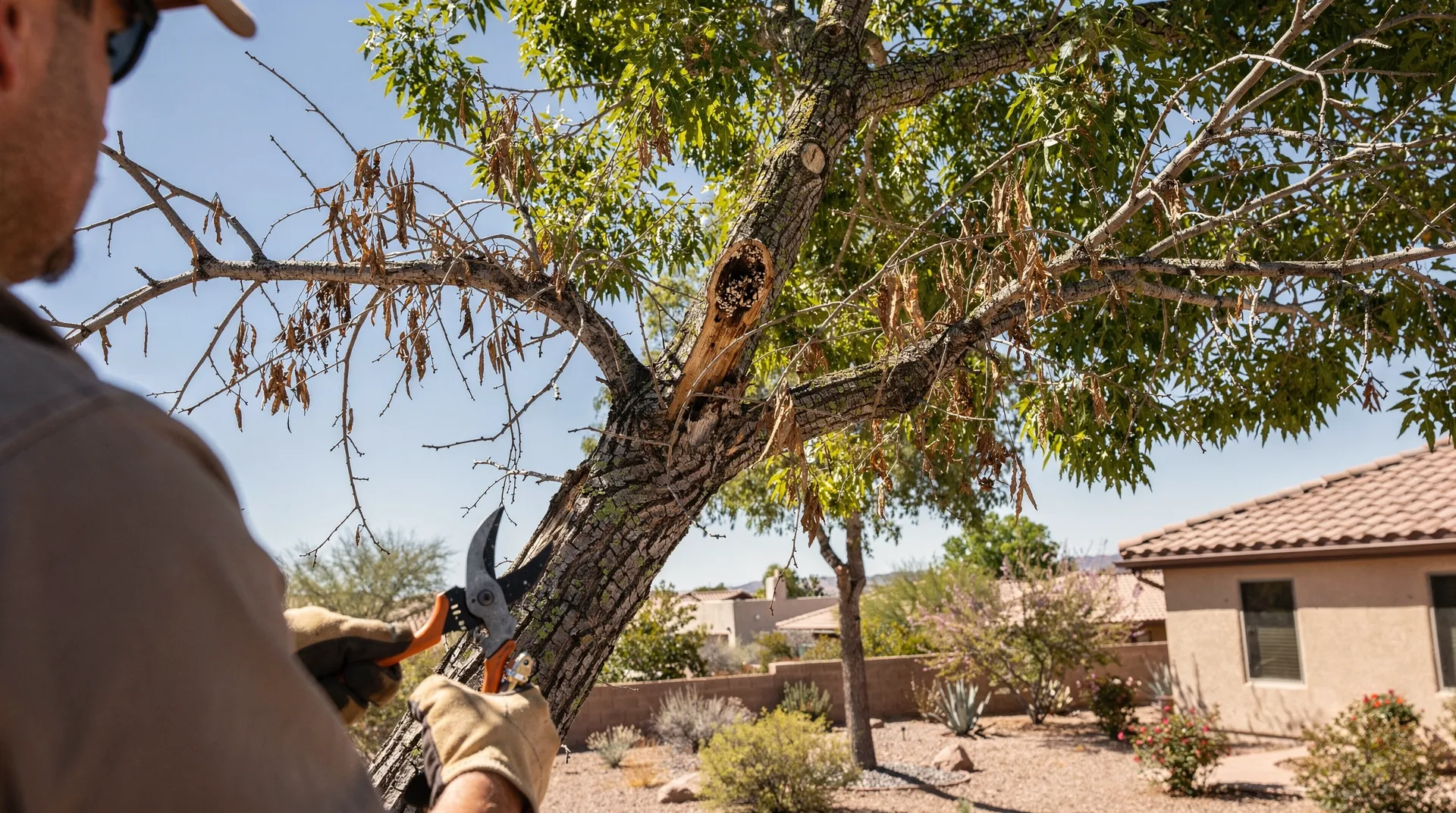
Remove dead, cracked, or diseased limbs first. These limbs emit stress signals that draw opportunistic insects.
Eliminate crossing or rubbing branches. Friction wounds create entry points for boring pests.
Thin interior growth to boost air circulation. Better airflow disrupts fungal spore germination and mite activity.
Cut back branches touching structures. Direct contact gives ants and wood-destroying insects a bridge onto the building.
Browning foliage often signals a pest infestation rather than simple irrigation trouble. Pruning out affected sections isolates the problem before it spreads. Founded in 2014 and locally owned, Yavapai Landscaping is led by a retired firefighter, which shapes the company’s safety-first approach to pruning. Yavapai Landscaping provides licensed and insured tree services across Prescott, Arizona, with a 10-employee crew that combines Expert Tree Removal Services in Prescott with broader landscape management. That combination of fire-service discipline and tree care experience is what turns routine pruning into a defensive strategy for mature native trees.
Cozy backyard fire pit surrounded by chairs and colorful flowers at sunset
Safe pest harborage removal begins with a systematic property assessment. Yavapai Landscaping provides free design consultations to evaluate each Prescott property before any work starts. Overgrown brush, dead limbs, and dense understory vegetation create ideal nesting sites for bark beetles, borers, and other wood-destroying insects common to Yavapai County. Removing these materials eliminates the habitat pests need to establish colonies.
Professional brush removal targets the exact conditions pests exploit. Crews clear deadwood, thin overcrowded shrubs, and extract invasive plants that harbor insects. This mechanical removal breaks the pest lifecycle without relying on chemicals. The company’s year-round services include brush removal as a core offering, ensuring properties stay defensible through every season.
Unchecked pest problems spread rapidly across a landscape. Infestations move from one tree to neighboring plants, weakening entire stands. Damaged trees then invite secondary issues, including fungal infections and disease that accelerate decline. Property owners face escalating costs when multiple trees require treatment or removal. Yavapai Landscaping, founded in 2014, has built a local reputation for dependable tree care that stops this cascade early. The company’s tree services integrate Prescott tree care expertise with pest control strategies tailored to the region’s specific insect pressures. Prescott pest control demands proactive harborage management, not reactive spraying alone. Property owners who delay structural pruning risk losing specimen trees that took decades to establish.
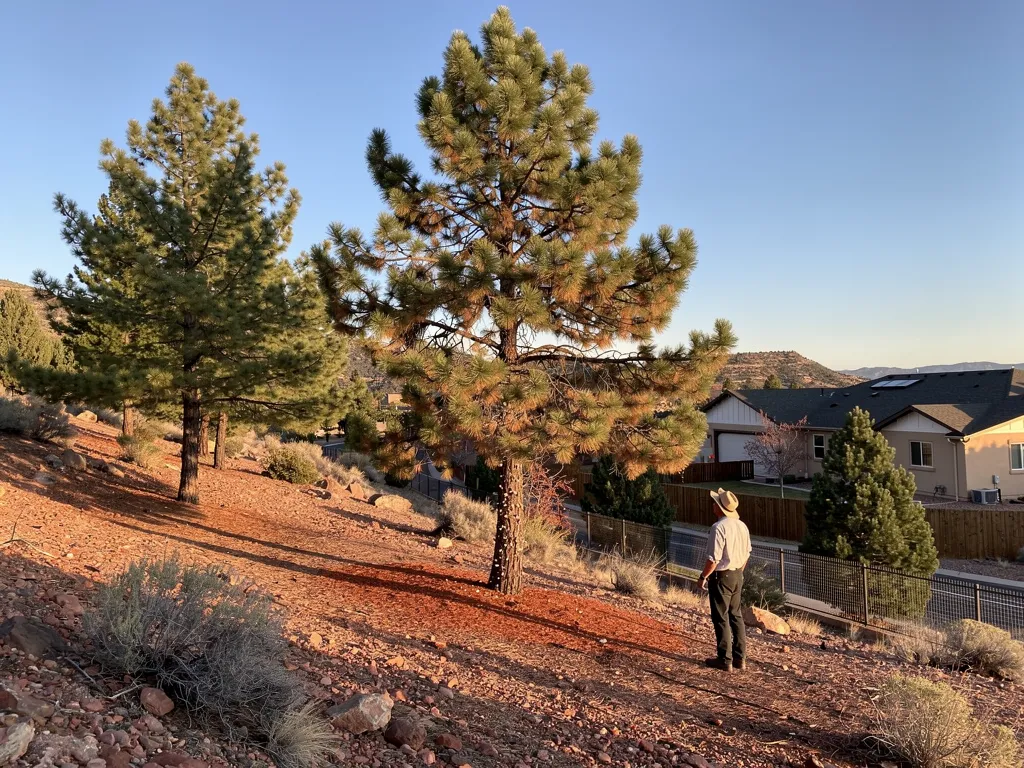
Bark beetles target stressed trees first. Property owners in Prescott, Arizona, often unknowingly create the conditions these pests exploit. Trees turning brown, shedding leaves prematurely, or showing signs of infestation signal an active problem that demands immediate attention. Without intervention, infested pines and junipers die within weeks, leaving homeowners with costly removals and heightened fire risk on their property.
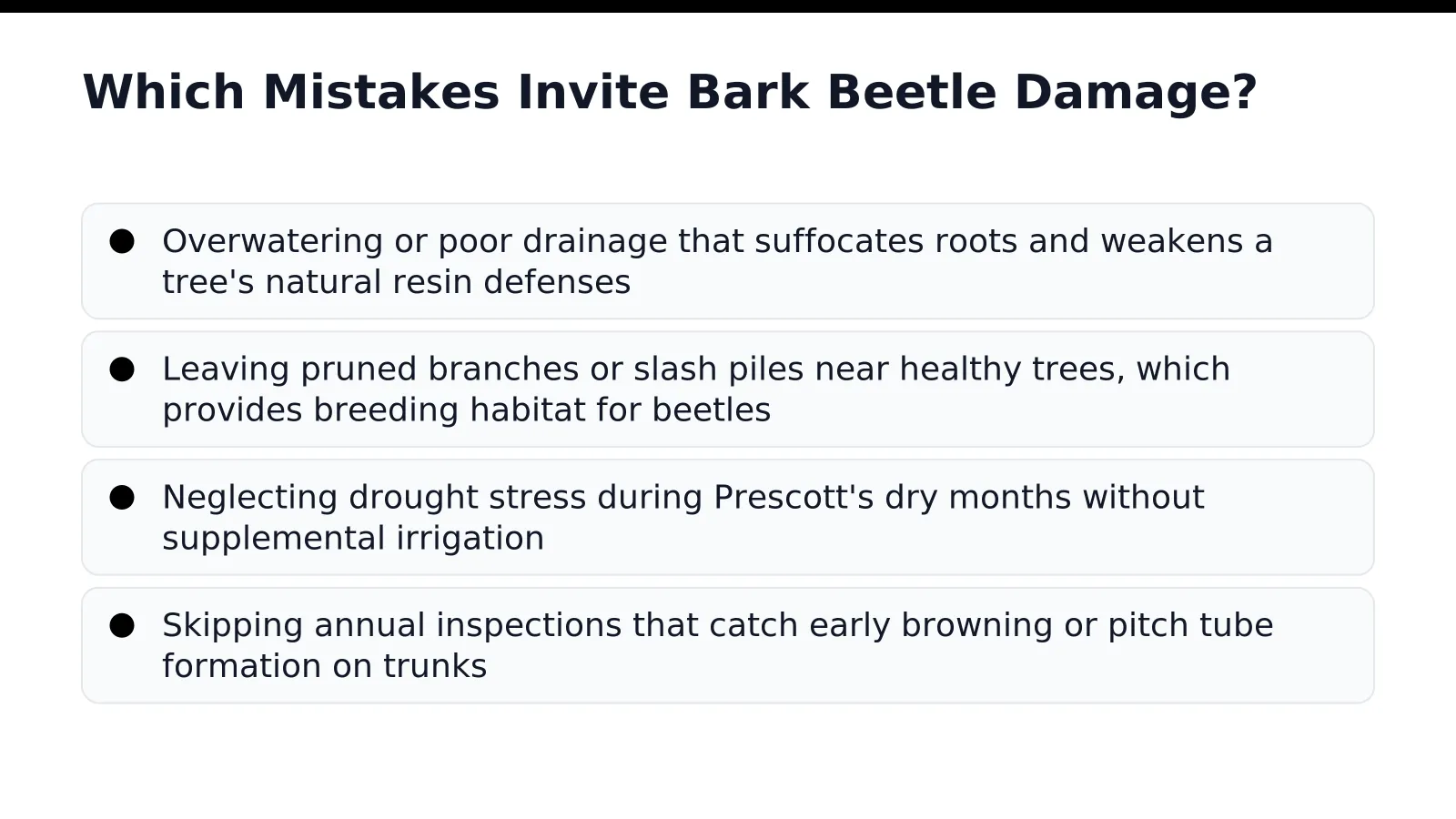
Several common errors make trees vulnerable. The most damaging mistakes include:
Overwatering or poor drainage that suffocates roots and weakens a tree’s natural resin defenses
Leaving pruned branches or slash piles near healthy trees, which provides breeding habitat for beetles
Neglecting drought stress during Prescott’s dry months without supplemental irrigation
Skipping annual inspections that catch early browning or pitch tube formation on trunks
Each oversight compounds the next. A water-stressed ponderosa pine with unremoved deadwood nearby faces near-certain infestation during peak beetle flight periods.
Beetles reproduce rapidly once established. A single infested tree left standing releases hundreds of emerging adults that colonize neighboring trees. Prescott pest control assessments identify active galleries and recommend removal or treatment before the next generation disperses. Yavapai Landscaping coordinates site analysis through its 10-employee team, ensuring field quality checks catch infestation patterns early. Property owners can schedule a professional tree assessment by calling 928-910-4147 or sending detailed service questions to [email protected].
Regular tree care removes dead or infested branches that attract bark beetles and borers in Prescott.
Pruning during dormancy, late fall through late winter, puts the least stress on a tree and removes vulnerable deadwood before bark beetles become active in the warmer months.
Look for pitch tubes (small resin blobs) on the trunk, boring dust at the base, fading or browning needles, and bark that flakes off easily. A professional assessment can confirm an active infestation before it spreads to neighboring trees.
Yes. Yavapai Landscaping, a locally owned, licensed, and insured company founded in 2014, provides free design consultations and site assessments across Prescott and the surrounding Yavapai County communities. Property owners can reach the team at 928-910-4147 or [email protected].
Pruning reduces the stressed and damaged wood that beetles target and improves airflow that discourages infestation, but an active, established outbreak usually needs professional removal of infested material alongside ongoing structural pruning to fully break the pest cycle.
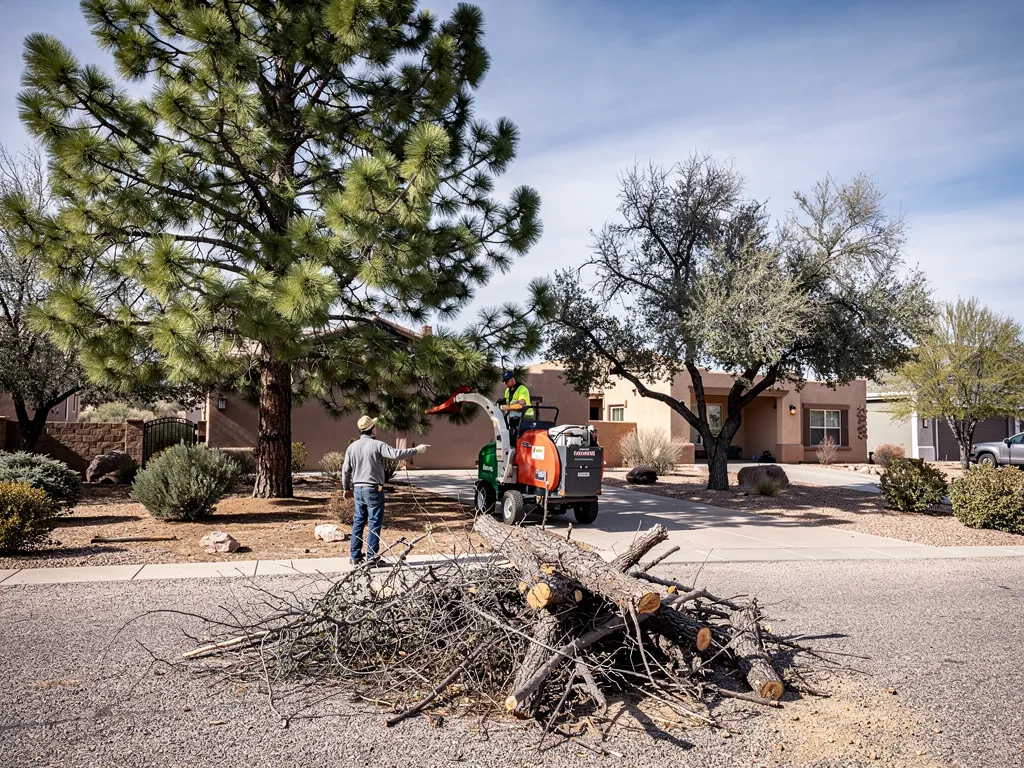
Regular tree trimming in Prescott, Arizona stops pest infestations before they start by removing the deadwood and dense growth that bark beetles and borers require. Property owners who schedule dormant-season pruning and professional brush removal protect their trees from the humid, sheltered conditions pests exploit. Taking action now preserves the health and longevity of mature native trees across Yavapai County.
Professional judgment in tree risk assessment grows from training, field experience, and informed decision-making. Research on arboricultural risk-assessment training shows it measurably improves an assessor’s judgment and the overall reliability of the tree risk method (RW Klein, “Professional expertise and its role in risk assessment,” 2021).
Yavapai Landscaping’s crews apply that principle on the ground in Prescott: site inspections, hazard-mitigation planning, and documented, species-specific knowledge of ponderosa pine and juniper behavior inform every pruning and removal recommendation. Homeowners evaluating any tree care provider for pest or wildfire risk work should confirm the crew carries credentials such as International Society of Arboriculture (ISA) certification, proper licensing, and insurance, standards that protect both the trees and the property owner.