
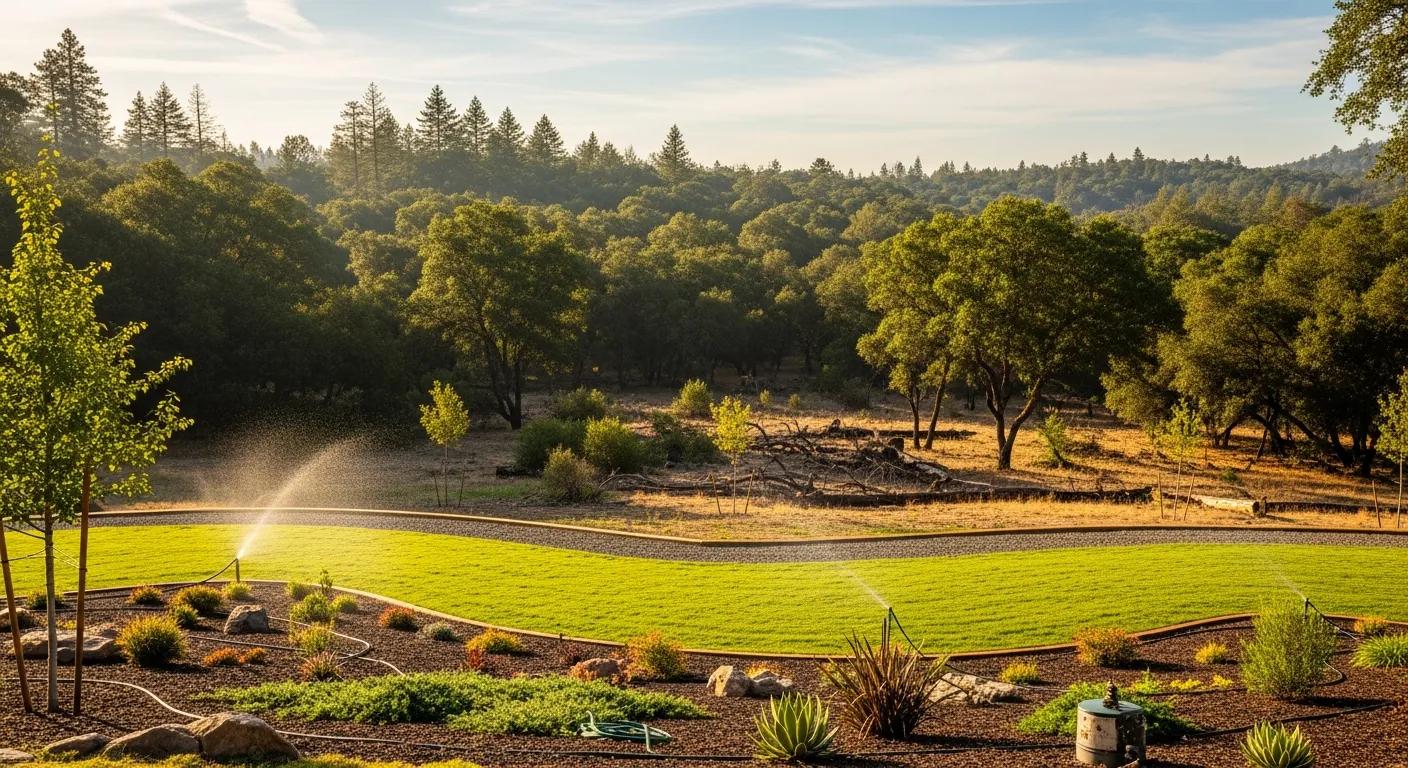
Wildfires pose a significant threat to homes, especially in areas prone to dry conditions and high winds. Understanding defensible space zones is crucial for homeowners looking to protect their properties from potential wildfire damage. This comprehensive guide will delve into the concept of defensible space zones, their importance, and how they can effectively reduce wildfire risks. By implementing proper vegetation management and clearance practices, homeowners can create a safer environment for their families and properties. This article will cover the definitions of defensible space zones, the specific characteristics of each zone, and best practices for maintaining these areas to enhance wildfire safety.
Defensible spaces and home ignition zones are globally recognized strategies for protecting communities in fire-prone regions.
Global Defensible Space & Home Ignition Zones
Defensible spaces and home ignition zones are two main aspects to protect the lives and livelihoods of W-UI in the United States, Canada, and Australia. Different part of the world has different rules and regulations for W-UI land management. We have discussed the defensible spaces in fire-prone areas, and current ignition zone distances with the fire-resistant plant species to save lives and assets in the prominent fire-prone zones (the United States, Canada,e and Australia) of the world.
Defensible Spaces and Home Ignition Zones of Wildland-Urban Interfaces in the Fire-Prone Areas of the World, S Rahman, 2019
Defensible space zones are designated areas around a home that are managed to reduce the risk of wildfire damage. These zones are critical because they create a buffer between the home and potential fire sources, allowing for better protection during a wildfire event. The primary benefit of establishing defensible space is to reduce the intensity of a fire and provide firefighters with a safer area in which to operate. Understanding the three main zones—Zone 1, Zone 2, and Zone 3—helps homeowners implement effective wildfire safety measures.
Further research underscores the critical role of defensible space in safeguarding residential structures from the increasing threat of wildfires.
Defensible Space for Residential Wildfire Protection
With the potential for worsening fire conditions, discussion is escalating over how to best reduce effects on urban communities. A widely supported strategy is the creation of defensible space immediately surrounding homes and other structures.
The role of defensible space for residential structure protection during wildfires, AD Syphard, 2014
Each defensible space zone has specific characteristics and management practices that homeowners should follow:
Defensible space zones play a vital role in reducing wildfire risk through several mechanisms. First, effective vegetation management strategies, such as removing dead or dying plants, can significantly lower the fuel available for a fire. Second, creating clear emergency access routes ensures that firefighters can reach the property quickly during a wildfire. Regular maintenance of these zones is crucial, as it helps to keep the area safe and reduces the likelihood of fire spread.
For homeowners in Prescott, Arizona, Yavapai Landscaping LLC offers professional landscaping services that emphasize wildfire safety. Their expertise in creating defensible space zones can help homeowners effectively manage their properties to minimize wildfire risks.
Brush clearance is essential for maintaining defensible space and involves specific requirements that homeowners must follow:
| Brush Clearance Requirement | Description | Frequency |
|---|---|---|
| Vegetation Management | Regularly trim and maintain plants | Seasonal |
| Dead Vegetation Removal | Clear dead plants and debris | Monthly |
| Debris Removal | Remove flammable materials | Weekly |
These practices are essential for effective wildfire protection and should be part of every homeowner’s maintenance routine.
Homeowners can follow these best practices to ensure effective brush clearance:
By adhering to these best practices, homeowners can significantly enhance their property’s wildfire resilience.
In “Prescott, Arizona”, local regulations dictate specific requirements for brush clearance to ensure community safety. Homeowners must comply with defensible space requirements, including maintaining a specified distance between vegetation and structures. Additionally, permits may be required for tree removal, and compliance with city codes is essential to avoid penalties. Understanding these regulations helps homeowners stay informed and proactive in their wildfire safety efforts.
“Firewise landscaping” is a proactive approach to creating defensible space that enhances wildfire safety. This method involves selecting fire-resistant plants and designing landscapes that minimize fire risk. By creating a defensible space that incorporates firewise principles, homeowners can significantly reduce the likelihood of fire damage. Regular maintenance practices, such as pruning and removing flammable materials, further enhance the effectiveness of firewise landscaping.
The Firewise USA program specifically promotes these landscaping strategies to reduce home ignition and loss in wildland-urban interface areas.
Firewise Landscaping for Home Defensible Zones
The Firewise USA program was created to reduce the risk of home ignition and loss in the WUI. The program encourages WUI homeowners to engage in mitigation efforts such as using Firewise landscaping strategies to create a defensible zone around their homes and using building materials that decrease overall ignition risk.
Firewise Landscaping: Homeowner Knowledge, Behaviors, and Educational Preferences, 2023
Choosing the right plants is crucial for effective firewise landscaping. Homeowners should consider the following fire-resistant plants that thrive in Arizona’s climate:
These plants not only enhance a property’s aesthetic appeal but also contribute to wildfire safety.
When designing firewise landscaping zones, homeowners should consider the following principles:
By following these design principles, homeowners can create effective firewise landscaping zones that enhance their property’s safety.
To ensure the long-term effectiveness of defensible space, homeowners should implement the following maintenance tips:
These maintenance practices are essential for keeping defensible space zones effective over time.
Regular vegetation management is crucial for maintaining defensible space. Homeowners should establish inspection schedules to monitor the health of their landscapes. Routine inspections should include:
By adhering to these schedules, homeowners can maintain a healthy and effective defensible space.
Seasonal practices play a vital role in maintaining wildfire safety. Homeowners should consider the following practices throughout the year:
Implementing these seasonal practices helps homeowners stay proactive in their wildfire safety efforts.
Professional brush clearance services can significantly enhance a homeowner’s wildfire safety strategy. These services offer:
By using professional services, homeowners can achieve peace of mind knowing their properties are well-protected against wildfires.
Hiring “Yavapai Landscaping” for firewise brush clearance offers several advantages:
To get started with defensible space solutions, homeowners can schedule a consultation with Yavapai Landscaping LLC. The process typically involves:
By engaging with professionals, homeowners can create customized defensible space solutions that enhance their wildfire safety.