
Are you looking to transform your front yard into a standout feature of your Prescott home? With its stunning natural scenery and diverse plant life, Prescott offers unique opportunities for creating a front yard that truly reflects your personal style and the region’s charm. In this guide, we’ll explore a range of creative landscaping ideas that embrace the area’s arid climate and rugged beauty while adding a touch of elegance and functionality to your outdoor space. From incorporating drought-tolerant plants and natural stone features to designing inviting pathways and cozy outdoor nooks, these ideas will help you craft a front yard that enhances curb appeal and complements Prescott’s picturesque environment. Whether you’re aiming for a low-maintenance garden or a vibrant display of native flora, these innovative landscaping solutions will inspire you to elevate your front yard into a captivating and welcoming entrance to your home.
Embrace Native Plants for Low-Maintenance Beauty
When designing a front yard in Prescott, choosing the right plants can make all the difference. Native plants are an excellent choice for creating a beautiful, low-maintenance landscape that thrives in the local climate. They are well-adapted to the soil and weather conditions, requiring less water and care compared to non-native species. By embracing native plants, you can achieve a stunning front yard that enhances the natural beauty of Prescott while contributing to a sustainable environment. Here are eight native plants that are perfect for achieving low-maintenance beauty in your front yard:
Apache Plume (Fallugia paradoxa)
Apache Plume is a hardy shrub that adds texture and interest to your landscape with its delicate, feathery seed heads. It produces small white flowers in the spring, followed by striking pinkish plumes that persist into the fall. This plant thrives in the Prescott climate, requiring minimal water and maintenance. Its ability to tolerate drought makes it a great choice for xeriscaping.
Desert Marigold (Baileya multiradiata)
Desert Marigold is a vibrant, sun-loving perennial that brightens up any garden with its cheerful yellow blooms. It’s well-suited to the arid conditions of Prescott and can handle the heat and drought with ease. This plant forms a low-growing, spreading mound, making it perfect for ground cover or as an accent plant in rock gardens.
Indian Paintbrush (Castilleja integra)
Indian Paintbrush adds a splash of vivid color to your front yard with its striking red and orange flower spikes. It’s a great choice for adding seasonal interest and can thrive in well-drained soil. This plant prefers full sun and is drought-tolerant, making it a resilient addition to your landscape.
Blanket Flower (Gaillardia aristata)
Blanket Flower is known for its daisy-like blooms with a mix of red, orange, and yellow hues that resemble a colorful blanket. This hardy perennial is perfect for adding a touch of vibrant color to your garden. It is drought-tolerant and thrives in full sun, making it an excellent choice for low-maintenance landscaping.
Woolly Blue Curls (Trichostema lanatum)
Woolly Blue Curls is a unique and attractive plant that features curly, blueish-purple flowers. Its soft, wooly leaves and distinctive blooms provide visual interest and texture to your garden. This plant is drought-tolerant and can handle the harsh conditions of Prescott’s climate, making it a great choice for a low-maintenance front yard.
Opt for Creative Xeriscaping Techniques to Save Water and Space
In Prescott’s dry, arid climate, xeriscaping is an effective strategy for creating a beautiful, sustainable front yard. Xeriscaping focuses on using drought-tolerant plants and efficient design practices to minimize water usage and reduce maintenance. By incorporating creative xeriscaping techniques, you can design a front yard that conserves water, makes the most of available space, and still looks stunning throughout the year. Here are eight innovative xeriscaping ideas to help you save water and space in your front yard:
Use Mulch to Retain Moisture
Mulch is a key component of xeriscaping that helps retain soil moisture, suppress weeds, and regulate soil temperature. Organic mulches, such as wood chips, straw, or compost, break down over time, enriching the soil and improving its structure. Apply a thick layer of mulch around plants to reduce water evaporation and keep roots cool, which is especially beneficial in the hot Prescott climate.
Incorporate Rock Gardens
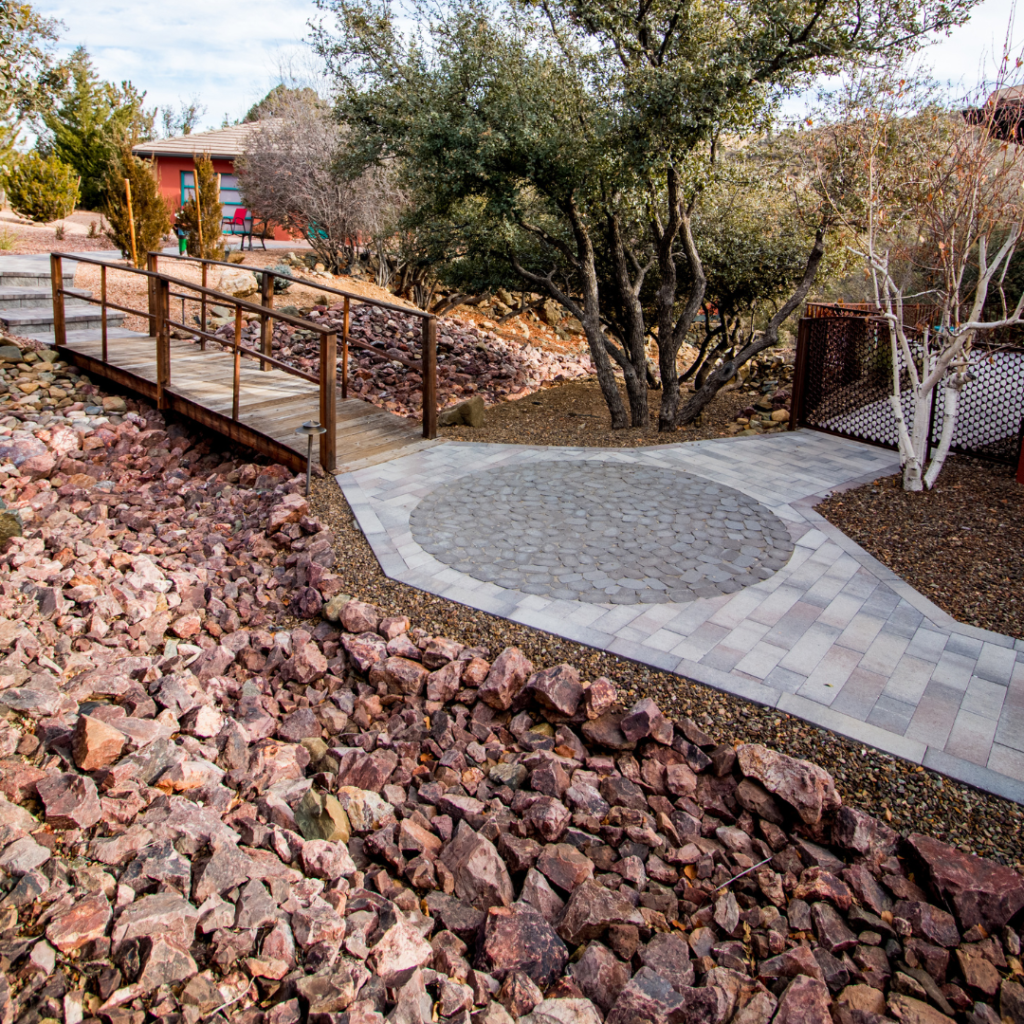
Rock gardens are an attractive and practical way to create low-maintenance, water-efficient landscapes. By using a variety of rocks and gravel, you can create visually appealing patterns and textures. Combine these hardscaping elements with drought-tolerant plants, such as succulents and low-growing perennials, to create a unique and sustainable garden space.
Create Raised Garden Beds
Raised garden beds are a great solution for improving drainage and soil quality in xeriscaped gardens. Elevated beds warm up faster in the spring and are easier to manage, reducing the need for excessive irrigation. Fill them with a well-balanced mix of soil, compost, and sand to ensure proper drainage and provide your plants with the nutrients they need to thrive.
Design with Drip Irrigation Systems
Drip irrigation systems are highly efficient for delivering water directly to the roots of plants, minimizing evaporation and runoff. By installing a drip system, you can target water precisely where it’s needed, reducing overall water usage. These systems are particularly effective in xeriscaped gardens, where water conservation is a priority.
Opt for Drought-Tolerant Ground Covers
Drought-tolerant ground covers can replace traditional lawns and reduce the need for frequent watering. Plants like creeping thyme, sedum, and blue fescue provide lush, green coverage while being highly resilient to dry conditions. These ground covers not only conserve water but also reduce the maintenance associated with traditional grass lawns.
Create a Desert Oasis with Drought-Tolerant Gardens
Transforming your front yard into a desert oasis can create a stunning, low-maintenance landscape perfect for Prescott’s arid climate. By incorporating drought-tolerant plants and design elements, you can achieve a beautiful and functional garden that conserves water while providing a lush, vibrant space. Here are key points to consider for creating your desert oasis:
Choose Native Plants: Opt for native and drought-tolerant species like yucca, agave, and desert marigold. These plants are adapted to the local climate and require minimal water.
Use Gravel and Rock: Incorporate gravel, stones, and boulders to mimic natural desert landscapes. These materials help with drainage and reduce water evaporation.
Design with Xeriscaping: Implement xeriscaping techniques such as grouping plants with similar water needs and using mulch to retain soil moisture.
Incorporate Succulents: Add a variety of succulents for their unique shapes and low water requirements. They can create focal points and add texture to your garden.
8 Native Plants for Low-Maintenance BeautyConclusion
Incorporating unique landscaping ideas into your front yard can truly transform the curb appeal of your Prescott home. Whether you’re drawn to drought-tolerant plants, eye-catching rock features, or vibrant desert gardens, the possibilities are endless. At Yavapai Landscaping, we understand the unique climate and aesthetic preferences of Prescott residents and are dedicated to crafting personalized landscapes that stand out. Our expertise ensures that every project not only enhances your property but also reflects your individual style.
Ready to bring your front yard vision to life? Contact us at Yavapai Landscaping to discuss how we can help you create a stunning, functional outdoor space. Reach out today to schedule a consultation and let our team of professionals guide you through the exciting possibilities for your home. We look forward to working with you!
Xeriscaping your front yard involves planning for water-efficient landscaping that thrives in dry climates. Start by selecting drought-resistant plants, grouping them by water needs, incorporating mulch for moisture retention, and designing an efficient irrigation system.
What is a xeriscape yard?
A xeriscape yard is a landscaping approach designed to conserve water by using drought-resistant plants and efficient irrigation methods. This technique emphasizes native flora that thrive in arid climates, making it ideal for sustainable and low-maintenance outdoor spaces.
How to xeriscape your front yard?
Xeriscaping your front yard involves using drought-resistant plants, incorporating mulch to retain moisture, and designing with rocks or gravel to enhance aesthetics while minimizing water use. Prioritize native plants for a sustainable and low-maintenance landscape.
How to xeriscape your front yard when it merges with neighbors?
Xeriscaping your front yard that merges with neighbors involves selecting drought-resistant plants that complement both your space and theirs, using decorative barriers for delineation, and maintaining a cohesive design to promote unity while ensuring water efficiency.
What plants are best for xeriscaping?
The best plants for xeriscaping are drought-tolerant varieties such as succulents, native grasses, and desert-adapted shrubs. These plants thrive in low-water conditions, making them ideal for creating sustainable and low-maintenance landscapes in arid regions.
How to design a xeriscape front yard?
Designing a xeriscape front yard involves selecting drought-resistant plants, using efficient irrigation techniques, incorporating mulch for moisture retention, and arranging hardscaping elements to minimize water usage while enhancing aesthetic appeal.
What are the benefits of xeriscaping?
The benefits of xeriscaping include reduced water usage, lower maintenance costs, and enhanced aesthetic appeal, making it an ideal solution for homeowners in Prescott, Arizona looking to create sustainable and beautiful front yards.
How to choose xeriscaping materials?
Choosing xeriscaping materials involves selecting drought-resistant plants, gravel, mulch, and stone that thrive in low-water conditions. Prioritize native species and locally-sourced materials to ensure compatibility with Prescott's climate and enhance your landscape's aesthetic appeal.
Can I incorporate grass in xeriscaping?
Incorporating grass in xeriscaping is possible, but it’s important to select drought-resistant varieties. These grasses require less water and maintenance, helping maintain the xeriscape’s overall efficiency while providing a green aesthetic.
What maintenance does a xeriscape require?
The maintenance required for a xeriscape includes occasional weeding, pruning of drought-tolerant plants, and ensuring proper irrigation. Regular monitoring for pests and dead plant removal is also essential to keep the landscape healthy and vibrant.
How to manage irrigation in xeriscaping?
Managing irrigation in xeriscaping involves using efficient watering techniques, such as drip irrigation and scheduling watering early in the morning or late in the evening to minimize evaporation. Additionally, incorporating mulch helps retain soil moisture and reduce the need for frequent watering.
What is the cost to xeriscape a yard?
The cost to xeriscape a yard varies based on size, design complexity, and material choices, typically ranging from $3 to $10 per square foot. For an accurate estimate, it’s best to consult with a landscaping professional.
Which trees suit xeriscape landscapes?
Trees that suit xeriscape landscapes include drought-tolerant varieties such as mesquite, palo verde, and redbud. These species thrive in arid conditions while adding beauty and shade to your outdoor space.
Is xeriscaping suitable for all climates?
Xeriscaping is not suitable for all climates. While it is particularly effective in arid and semi-arid regions, areas with high rainfall or humidity may require different landscaping approaches to maintain a thriving ecosystem.
How to enhance curb appeal with xeriscaping?
Enhancing curb appeal with xeriscaping involves selecting drought-resistant plants, creating visually appealing layouts, and incorporating natural stones or mulch. This low-maintenance approach not only saves water but also showcases sustainable beauty, adding charm to your front yard.
What are common mistakes in xeriscaping?
Common mistakes in xeriscaping include over-watering plants, choosing inappropriate plant species, neglecting soil preparation, and failing to incorporate mulch. These errors can undermine the efficiency and aesthetics of drought-tolerant landscapes.
How to transition from lawn to xeriscape?
Transitioning from lawn to xeriscape involves removing existing grass, improving soil drainage, and installing drought-resistant plants. Incorporate mulch to retain moisture and consider hardscaping elements for added aesthetics, ensuring a sustainable and low-maintenance landscape.
What drought-resistant plants work in front yards?
Drought-resistant plants suitable for front yards include succulents like agave and yucca, ornamental grasses such as blue oat grass, and native perennials like penstemon and salvia. These plants thrive in Prescott's climate while minimizing water usage.
How do rocks contribute to xeriscaping?
Rocks contribute to xeriscaping by reducing water evaporation, improving soil drainage, and providing thermal insulation for plant roots. They also enhance the aesthetic appeal of the landscape while minimizing maintenance requirements and promoting sustainable practices.
Can xeriscaping attract local wildlife?
Xeriscaping can attract local wildlife by providing native plants that offer food and shelter. Incorporating drought-resistant flora creates a diverse habitat, enhancing your front yard’s appeal to birds, butterflies, and beneficial insects.
Are there specific zoning laws for xeriscaping?
Specific zoning laws for xeriscaping can vary by location. In Prescott, Arizona, homeowners should check local regulations to ensure compliance with any restrictions or guidelines related to landscaping practices, including water usage and plant selection.
How to select ground cover for xeriscaping?
Selecting ground cover for xeriscaping involves choosing drought-resistant plants that thrive in Arizona's climate, like native grasses and succulents, to reduce water usage while enhancing your landscape's aesthetic appeal.
What irrigation systems complement xeriscaping?
Irrigation systems that complement xeriscaping include drip irrigation and soaker hoses, as they deliver water directly to the plant roots efficiently, minimizing waste and promoting healthy, drought-resistant landscaping.
How to create pathways in xeriscape yards?
Creating pathways in xeriscape yards involves using materials like gravel or decomposed granite to establish clear, functional routes that minimize water usage. Incorporate native plants along the edges to enhance aesthetics and maintain the soil's moisture efficiently.
What colors to consider for xeriscaping?
The colors to consider for xeriscaping include earthy tones such as greens, browns, and grays, complemented by vibrant flowers in reds, yellows, and purples to create contrast while maintaining a natural appearance in arid landscapes.
How to incorporate boulders into a xeriscape?
Incorporating boulders into a xeriscape involves strategically placing them to create focal points and natural habitats while enhancing drainage. Choose varying sizes and shapes, grouping them with native plants to achieve an aesthetically pleasing, low-maintenance landscape.
What seasonal changes affect xeriscape design?
Seasonal changes significantly impact xeriscape design by influencing plant growth, water availability, and landscape aesthetics. In Prescott, it's essential to choose drought-tolerant plants that thrive in varying temperatures and accommodate seasonal rainfall fluctuations for optimal results.
Is mulch necessary in xeriscaping?
Mulch is an important component in xeriscaping. It helps retain moisture, suppress weeds, and regulate soil temperature, making it essential for maintaining healthy and sustainable landscapes in dry environments.
How to ensure drainage in xeriscape gardens?
Ensuring proper drainage in xeriscape gardens is essential for plant health. To achieve this, design your garden with sloped beds, incorporate well-draining soil, and add gravel or rock layers to facilitate water movement away from plant roots.
How to style outdoor lighting in xeriscaping?
Styling outdoor lighting in xeriscaping involves using energy-efficient fixtures that highlight native plants and create a warm ambiance. Choose strategic placements to accentuate pathways and focal points, enhancing both safety and aesthetic appeal.
low water landscaping front yard, front yard low water landscape ideas, low water front yard ideas, natural landscaping ideas front yard, front yard xeriscaping, prescott roots landscaping, front yard xeriscaping ideas, low maintenance drought tolerant front yard, front yard drought resistant landscaping ideas, curb appeal xeriscape front yard, low maintenance backyard ideas arizona, low maintenance arizona shrubs, curb appeal drought tolerant front yard
Xeriscaping your front yard involves planning for water-efficient landscaping that thrives in dry climates. Start by selecting drought-resistant plants, grouping them by water needs, incorporating mulch for moisture retention, and designing an efficient irrigation system.
What is a xeriscape yard?
A xeriscape yard is a landscaping approach designed to conserve water by using drought-resistant plants and efficient irrigation methods. This technique emphasizes native flora that thrive in arid climates, making it ideal for sustainable and low-maintenance outdoor spaces.
How to xeriscape your front yard?
Xeriscaping your front yard involves using drought-resistant plants, incorporating mulch to retain moisture, and designing with rocks or gravel to enhance aesthetics while minimizing water use. Prioritize native plants for a sustainable and low-maintenance landscape.
How to xeriscape your front yard when it merges with neighbors?
Xeriscaping your front yard that merges with neighbors involves selecting drought-resistant plants that complement both your space and theirs, using decorative barriers for delineation, and maintaining a cohesive design to promote unity while ensuring water efficiency.
What plants are best for xeriscaping?
The best plants for xeriscaping are drought-tolerant varieties such as succulents, native grasses, and desert-adapted shrubs. These plants thrive in low-water conditions, making them ideal for creating sustainable and low-maintenance landscapes in arid regions.
How to design a xeriscape front yard?
Designing a xeriscape front yard involves selecting drought-resistant plants, using efficient irrigation techniques, incorporating mulch for moisture retention, and arranging hardscaping elements to minimize water usage while enhancing aesthetic appeal.
What are the benefits of xeriscaping?
The benefits of xeriscaping include reduced water usage, lower maintenance costs, and enhanced aesthetic appeal, making it an ideal solution for homeowners in Prescott, Arizona looking to create sustainable and beautiful front yards.
How to choose xeriscaping materials?
Choosing xeriscaping materials involves selecting drought-resistant plants, gravel, mulch, and stone that thrive in low-water conditions. Prioritize native species and locally-sourced materials to ensure compatibility with Prescott's climate and enhance your landscape's aesthetic appeal.
Can I incorporate grass in xeriscaping?
Incorporating grass in xeriscaping is possible, but it’s important to select drought-resistant varieties. These grasses require less water and maintenance, helping maintain the xeriscape’s overall efficiency while providing a green aesthetic.
What maintenance does a xeriscape require?
The maintenance required for a xeriscape includes occasional weeding, pruning of drought-tolerant plants, and ensuring proper irrigation. Regular monitoring for pests and dead plant removal is also essential to keep the landscape healthy and vibrant.
How to manage irrigation in xeriscaping?
Managing irrigation in xeriscaping involves using efficient watering techniques, such as drip irrigation and scheduling watering early in the morning or late in the evening to minimize evaporation. Additionally, incorporating mulch helps retain soil moisture and reduce the need for frequent watering.
What is the cost to xeriscape a yard?
The cost to xeriscape a yard varies based on size, design complexity, and material choices, typically ranging from $3 to $10 per square foot. For an accurate estimate, it’s best to consult with a landscaping professional.
Which trees suit xeriscape landscapes?
Trees that suit xeriscape landscapes include drought-tolerant varieties such as mesquite, palo verde, and redbud. These species thrive in arid conditions while adding beauty and shade to your outdoor space.
Is xeriscaping suitable for all climates?
Xeriscaping is not suitable for all climates. While it is particularly effective in arid and semi-arid regions, areas with high rainfall or humidity may require different landscaping approaches to maintain a thriving ecosystem.
How to enhance curb appeal with xeriscaping?
Enhancing curb appeal with xeriscaping involves selecting drought-resistant plants, creating visually appealing layouts, and incorporating natural stones or mulch. This low-maintenance approach not only saves water but also showcases sustainable beauty, adding charm to your front yard.
What are common mistakes in xeriscaping?
Common mistakes in xeriscaping include over-watering plants, choosing inappropriate plant species, neglecting soil preparation, and failing to incorporate mulch. These errors can undermine the efficiency and aesthetics of drought-tolerant landscapes.
How to transition from lawn to xeriscape?
Transitioning from lawn to xeriscape involves removing existing grass, improving soil drainage, and installing drought-resistant plants. Incorporate mulch to retain moisture and consider hardscaping elements for added aesthetics, ensuring a sustainable and low-maintenance landscape.
What drought-resistant plants work in front yards?
Drought-resistant plants suitable for front yards include succulents like agave and yucca, ornamental grasses such as blue oat grass, and native perennials like penstemon and salvia. These plants thrive in Prescott's climate while minimizing water usage.
How do rocks contribute to xeriscaping?
Rocks contribute to xeriscaping by reducing water evaporation, improving soil drainage, and providing thermal insulation for plant roots. They also enhance the aesthetic appeal of the landscape while minimizing maintenance requirements and promoting sustainable practices.
Can xeriscaping attract local wildlife?
Xeriscaping can attract local wildlife by providing native plants that offer food and shelter. Incorporating drought-resistant flora creates a diverse habitat, enhancing your front yard’s appeal to birds, butterflies, and beneficial insects.
Are there specific zoning laws for xeriscaping?
Specific zoning laws for xeriscaping can vary by location. In Prescott, Arizona, homeowners should check local regulations to ensure compliance with any restrictions or guidelines related to landscaping practices, including water usage and plant selection.
How to select ground cover for xeriscaping?
Selecting ground cover for xeriscaping involves choosing drought-resistant plants that thrive in Arizona's climate, like native grasses and succulents, to reduce water usage while enhancing your landscape's aesthetic appeal.
What irrigation systems complement xeriscaping?
Irrigation systems that complement xeriscaping include drip irrigation and soaker hoses, as they deliver water directly to the plant roots efficiently, minimizing waste and promoting healthy, drought-resistant landscaping.
How to create pathways in xeriscape yards?
Creating pathways in xeriscape yards involves using materials like gravel or decomposed granite to establish clear, functional routes that minimize water usage. Incorporate native plants along the edges to enhance aesthetics and maintain the soil's moisture efficiently.
What colors to consider for xeriscaping?
The colors to consider for xeriscaping include earthy tones such as greens, browns, and grays, complemented by vibrant flowers in reds, yellows, and purples to create contrast while maintaining a natural appearance in arid landscapes.
How to incorporate boulders into a xeriscape?
Incorporating boulders into a xeriscape involves strategically placing them to create focal points and natural habitats while enhancing drainage. Choose varying sizes and shapes, grouping them with native plants to achieve an aesthetically pleasing, low-maintenance landscape.
What seasonal changes affect xeriscape design?
Seasonal changes significantly impact xeriscape design by influencing plant growth, water availability, and landscape aesthetics. In Prescott, it's essential to choose drought-tolerant plants that thrive in varying temperatures and accommodate seasonal rainfall fluctuations for optimal results.
Is mulch necessary in xeriscaping?
Mulch is an important component in xeriscaping. It helps retain moisture, suppress weeds, and regulate soil temperature, making it essential for maintaining healthy and sustainable landscapes in dry environments.
How to ensure drainage in xeriscape gardens?
Ensuring proper drainage in xeriscape gardens is essential for plant health. To achieve this, design your garden with sloped beds, incorporate well-draining soil, and add gravel or rock layers to facilitate water movement away from plant roots.
How to style outdoor lighting in xeriscaping?
Styling outdoor lighting in xeriscaping involves using energy-efficient fixtures that highlight native plants and create a warm ambiance. Choose strategic placements to accentuate pathways and focal points, enhancing both safety and aesthetic appeal.
low water landscaping front yard, front yard low water landscape ideas, low water front yard ideas, natural landscaping ideas front yard, front yard xeriscaping, prescott roots landscaping, front yard xeriscaping ideas, low maintenance drought tolerant front yard, front yard drought resistant landscaping ideas, curb appeal xeriscape front yard, low maintenance backyard ideas arizona, low maintenance arizona shrubs, curb appeal drought tolerant front yard
One Response