
Author: Linda Sabo, Certified Firewise Landscaping Expert with over 15 years of experience in wildfire risk reduction and sustainable landscape design in arid climates.
FireWise landscaping is a crucial strategy for homeowners in Williamson Valley, Arizona, aimed at reducing wildfire risks and enhancing property protection. This article delves into the essential components of FireWise landscaping, including defensible space guidelines, fire-resistant plant selection, and effective maintenance practices. Readers will learn how to create a safe and sustainable landscape that not only protects their homes but also contributes to the overall health of the environment. As wildfires become increasingly prevalent, understanding these landscaping principles is vital for homeowners seeking to safeguard their properties. We will explore the guidelines for defensible space, the best fire-resistant plants for the local climate, and the maintenance practices that ensure long-term effectiveness.
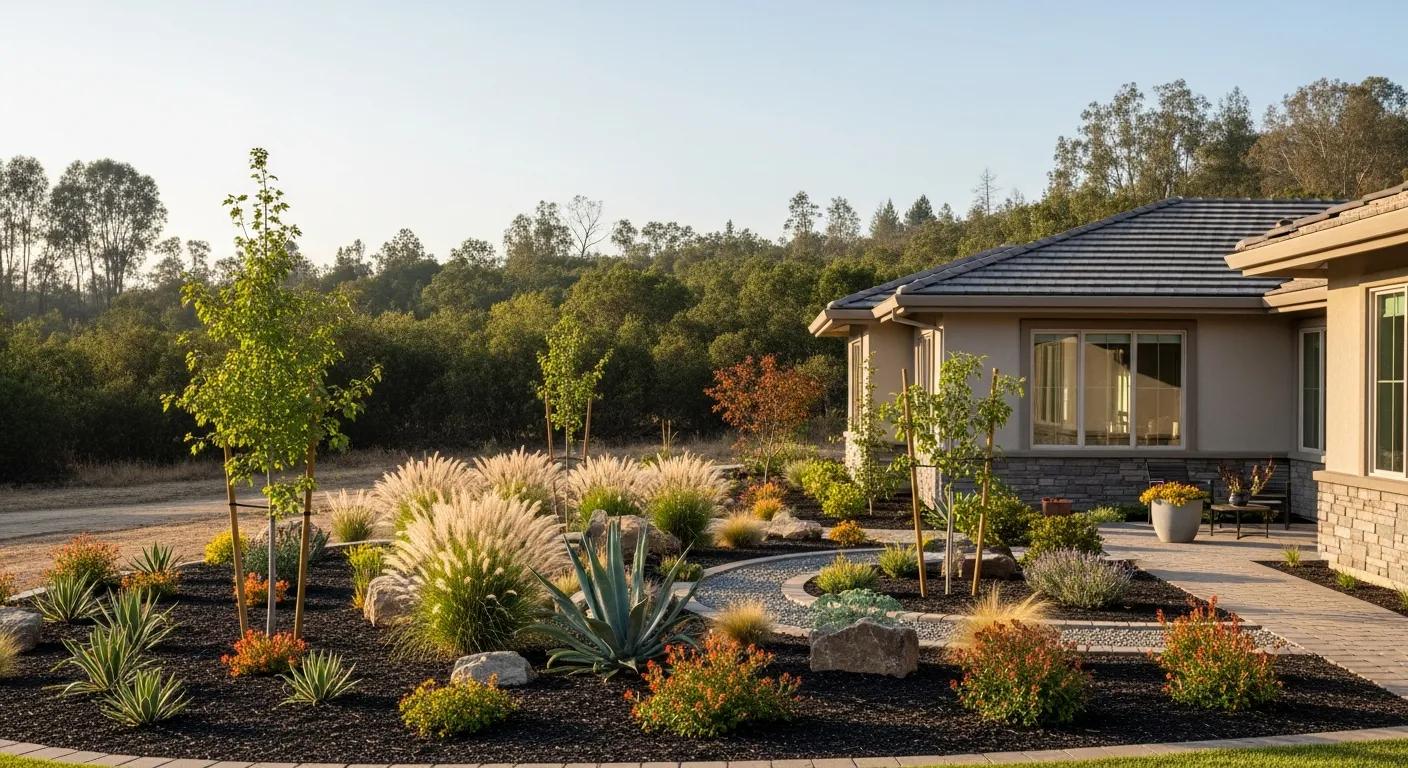
Defensible space guidelines are critical for reducing wildfire risk around homes. These guidelines define specific zones around a property that should be managed to create a buffer against wildfires. The immediate zone, extending from 0 to 5 feet from the home, should be free of flammable materials and include non-combustible surfaces. The intermediate zone, from 5 to 30 feet, should feature well-spaced fire-resistant plants, while the extended zone, from 30 to 100 feet, should focus on reducing fuel loads through proper vegetation management. Implementing these guidelines effectively can significantly enhance a property’s safety during wildfire events.
Defensible space plays a vital role in reducing wildfire risk by creating barriers that slow or stop the spread of fire. Effective vegetation management within these zones minimizes the amount of combustible material near the home. Additionally, using fire-resistant landscaping materials such as gravel or stone can further protect structures. Regular maintenance, including pruning and debris removal, ensures that the defensible space remains effective over time. By understanding and implementing these strategies, homeowners can significantly lower their risk of fire damage.
Research further supports the critical role of defensible space in mitigating wildfire risks and protecting properties.
Wildfire-Resilient Garden Design & Defensible Space
The establishment of Defensible space around homes in wildland-rural urban interfaces can help reduce the risk of house loss and provide a safe area for residents and firefighters to defend the property from wildfire. We developed a conceptual model of defensible space, framed around key recommended approaches to mitigate fire attack mechanisms that address fuel types, amounts, and spatial distribution. We found that zonation within the defensible space is commonly recommended; reduction (or removal) of all fuels, and particularly dead plant material, is usually suggested in close (
Garden design can reduce wildfire risk and drive more sustainable co-existence with wildfire, S Ondei, 2024
Local defensible space requirements in Williamson Valley are structured into three distinct zones:
This three-zone approach is a widely recognized and effective strategy for enhancing home protection against wildfires.
Wildfire Home Protection: Three-Zone Landscaping Strategy
A key element of reducing homes’ vulnerability to wildfire is to implement a three-zone strategy whereby the most restrictive measures for preventing ignition apply to areas closest to the home.
Reducing the vulnerability of buildings to wildfire: Vegetation and landscaping guidance, Y Valachovic, 2021
Adhering to these requirements is essential for homeowners to ensure their properties are adequately protected against wildfires.
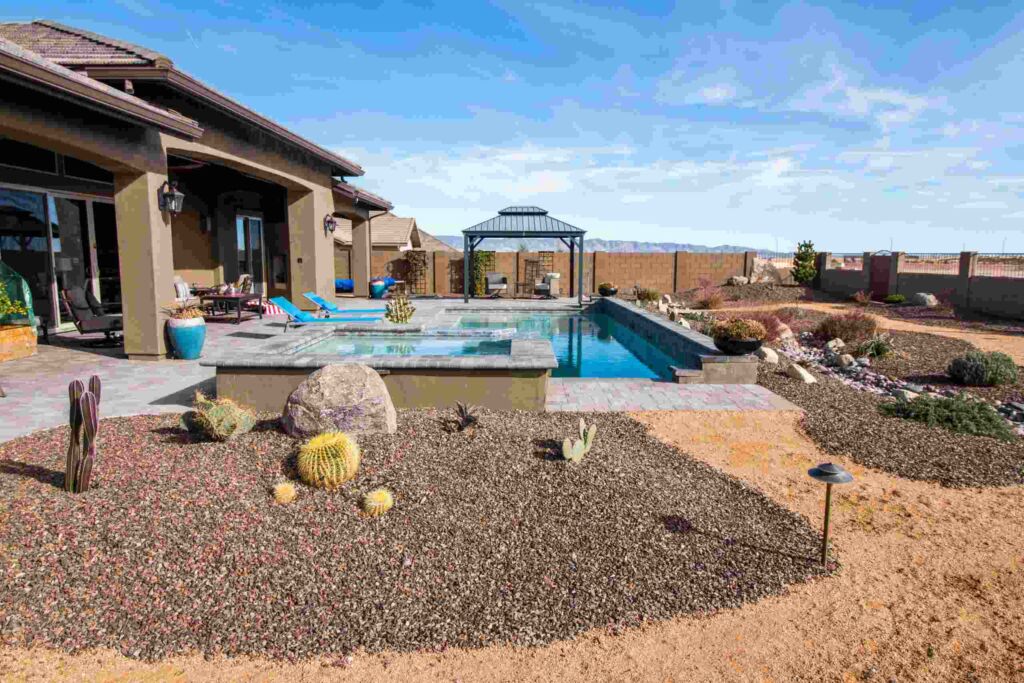
Selecting the right fire-resistant plants is crucial for effective FireWise landscaping in Williamson Valley. Some of the best-suited plants for the arid climate include:
Incorporating these plants into landscaping designs can enhance both aesthetic appeal and fire safety.
Further research provides valuable insights into selecting appropriate fire-resistant plants for home landscapes.
Selecting Fire-Resistant Plants for Home Landscapes
Fire-resistant plants for home landscapes: Selecting plants that may reduce your risk from wildfire, Oregon State University Extension Service, 2006.
Fire-resistant plants: a review of plant morphology, tissues, habits, ecological adaptations, and other factors contributing to bioderived environmental solutions and …, HA Colorado, 2006
Fire-resistant plants possess specific characteristics that make them suitable for landscapes in Central Arizona. These include:
Understanding these traits can help homeowners select appropriate plants for their FireWise landscaping efforts.
Here is a list of recommended firewise plants that are ideal for landscaping in Williamson Valley:
Selecting these plants can significantly enhance fire safety in residential landscapes.
Effective landscape design principles are essential for enhancing wildfire prevention. Key strategies include:
By integrating these principles, homeowners can create a landscape that not only looks appealing but also provides robust protection against wildfires.
Implementing effective fire prevention landscaping strategies is crucial for homeowners. Key strategies include:
These strategies collectively contribute to a safer environment for homes in wildfire-prone areas.
Water conservation is an integral aspect of FireWise landscape design. By incorporating drought-tolerant plants and efficient irrigation systems, homeowners can create landscapes that require less water while still being fire-resistant. Additionally, practices such as rainwater harvesting can further enhance water conservation efforts. This integration not only supports fire safety but also promotes sustainable landscaping practices.
Sustaining FireWise landscaping requires regular maintenance services, which include:
These maintenance practices are essential for ensuring long-term wildfire protection.
To support defensible space and fire safety, homeowners should adopt the following regular maintenance practices:
Implementing these practices can significantly enhance home safety in wildfire-prone areas.
Yavapai Landscaping offers professional firewise landscape maintenance services tailored to the unique needs of Williamson Valley residents. Their services include:
By leveraging Yavapai Landscaping’s expertise, homeowners can ensure their properties are well-protected against wildfires.
Homeowners interested in FireWise landscaping can easily schedule a consultation with Yavapai Landscaping. To initiate the process, they can contact Yavapai Landscaping at 928-910-4147 to request a free consultation. During this consultation, homeowners will share information about their property so the team can tailor recommendations to their needs.
During a FireWise landscaping consultation, clients can expect a thorough on-site evaluation of their property. The Yavapai Landscaping team will assess the current landscape, identify potential fire hazards, and provide tailored recommendations for improvements. Clients will receive a summary of observations and actionable steps to enhance their property’s fire safety.
Yavapai Landscaping specializes in customizing fire prevention plans for local properties. Their approach includes:
This customized approach ensures that each property is adequately protected against wildfires while enhancing its overall aesthetic appeal.