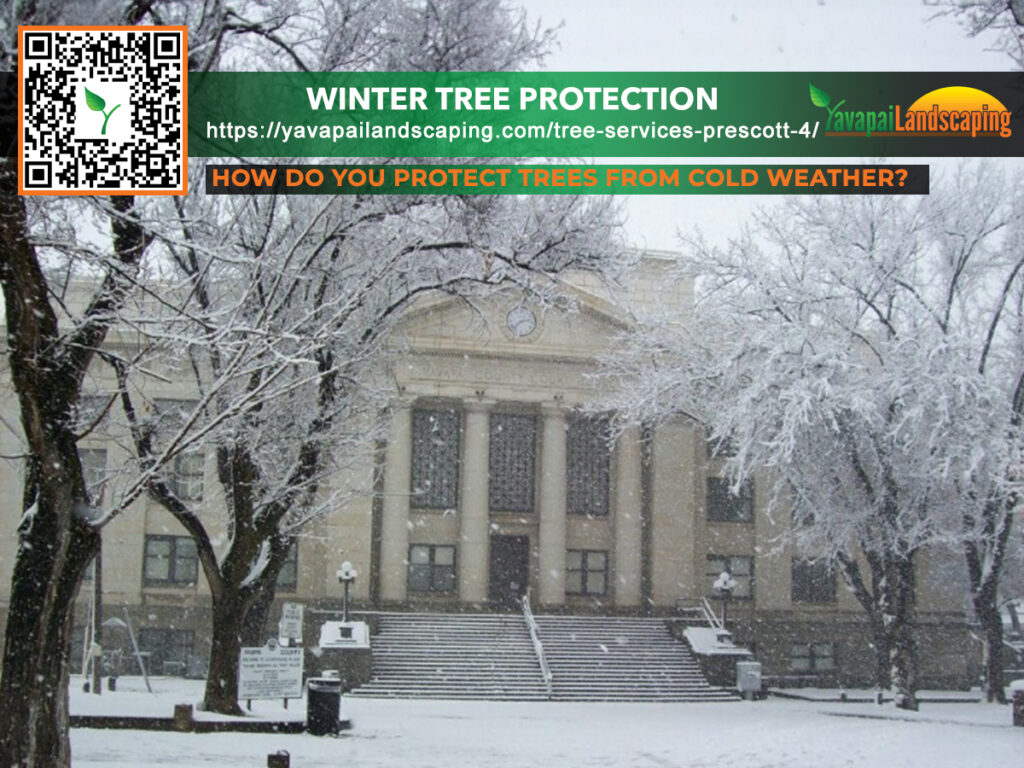
Winter is a challenging season for trees, and protecting them from the harsh weather conditions is crucial for their health and longevity. Frost, snow, and freezing temperatures can damage the delicate structure of the tree, resulting in stunted growth, weakened branches, and even death.
To ensure your trees stay healthy and thrive during the winter season, it’s essential to implement effective strategies for winter tree protection. In this article, we will discuss various techniques and methods that can help safeguard your trees against the cold weather.
Key Takeaways:
Protecting your trees from winter weather is vital for their health and longevity.
Harsh winter conditions can damage the structure of the tree, resulting in stunted growth or even death.
Effective strategies for winter tree protection include mulching, wrapping, tree shelters, and proper watering techniques.
Regular monitoring of your trees for signs of stress or damage can help you adjust your protection methods accordingly.
With proper care, your trees can thrive even in the coldest of winters.
Best Strategies for Winter Tree Protection
Winter can be a difficult time for trees, but with the right strategies, you can protect them from the worst of the cold weather. Here are some of the best winter tree protection strategies:
Mulching
Mulching is one of the most effective ways to protect your trees during the winter. A layer of mulch around the base of the tree can help regulate soil temperature, prevent moisture loss, and protect the roots from cold temperatures.
To mulch your trees, start by clearing away any debris from the base of the trunk. Then, apply a layer of mulch that is 2-3 inches deep. Be careful not to let the mulch touch the trunk, as this can cause rot and other damage.
Wrapping
Wrapping your trees is another effective way to protect them from the cold. Tree wrap can help prevent frost damage, sunscald, and other winter-related issues.
To wrap your trees, start by selecting a wrap that is appropriate for the size of the tree. Then, wrap the trunk of the tree from the base to the first branch, making sure to overlap each layer slightly. Be sure to remove the wrap in the spring to avoid girdling. Explore and understand more about The Importance of Tree Care in Cold Months.
Tree Shelters
Tree shelters provide an extra layer of protection for your trees during the winter. They can help regulate temperature, protect from wind and snow, and prevent damage from wildlife.
To install a tree shelter, start by selecting a shelter that is appropriate for the size of the tree. Then, place the shelter over the tree and secure it in place with stakes or ties. Be sure to remove the shelter in the spring to avoid damage as the tree grows.
Regular Monitoring
It is crucial to regularly monitor your trees for any signs of stress or damage during the winter season. This includes checking for broken branches, splitting bark, or discoloration of leaves. By promptly addressing these issues, you can prevent further damage and ensure the tree’s continued health.
Adaptive Protection
It is essential to adjust your protection methods based on the changing weather conditions. For instance, if the winter is particularly harsh, you may need to increase the level of protection provided to your trees. By adapting your protection methods, you can ensure that your trees are adequately shielded against the cold temperatures.
Proper Care
Finally, proper care is vital to the health of your trees during the winter season. This includes providing the necessary nutrients and watering, as well as pruning any dead branches. Proper care will help your trees to remain healthy, vibrant, and strong, even in the coldest of winters.
Protecting Trees from Winter Weather
Protecting your trees during the winter is essential for their health and longevity. By using these winter tree protection strategies, you can help ensure that your trees survive even the coldest of winters. Remember to regularly monitor your trees for signs of stress or damage, and adjust your protection methods accordingly. With proper care, your trees will thrive for years to come.
Yavapai Landscaping Prescott offers free quotations for Prescott and its nearby localities for landscaping and tree services. These include tree removal, trimming, stump grinding, land clearance, storm clean up, and emergency tree service.
Protecting Trees from Winter Weather
How can I protect my trees from cold weather?
There are several strategies you can use to protect your trees from cold weather. Some effective methods include mulching, wrapping, tree shelters, and proper watering techniques.
What is mulching and how does it help protect trees in winter?
Mulching involves placing a layer of organic material, such as wood chips or bark, around the base of a tree. This helps insulate the soil and regulate temperature, protecting against extreme cold and frost.
How does wrapping trees help in winter tree protection?
Wrapping trees with burlap or protective fabric creates a barrier that shields them from harsh winds, freezing temperatures, and snow. It helps prevent desiccation and damage to the trunk and branches.
What are tree shelters and how do they provide winter protection?
Tree shelters are protective covers made of plastic or mesh that are placed around young or vulnerable trees. They create a microclimate that shields the tree from extreme weather, allowing it to establish and grow strong roots.
bark, trunk, wind, soil, snow, landscape, freezing, leaf, evergreen, shrub, wood, frost, pruning, mulch, tree care, fertilizer, tissue, arborist, lawn, species, construction, pest, new hampshire, orchard, moisture, bud, newly, injury, rodent, insect, canopy, tree planting, fence, habitat, pine, oak, maple, girdling, hardiness, deer, disease, pond, soil moisture, honey locust, oklahoma, climate, nutrient, electric fence, soil compaction, hardiness zone, ice storm, wound, wire, deciduous, hampshire, stress, horticulture, irrigation, birch, wetland, soil test, plastic, heavy equipment, kitchen garden, pollinator, stormwater, newsletter, construction project, tree pro, personal information, burlap, lawn care, fact sheet, tree roots, tree wrap for winter, tree cover for winter, tree freeze protection, wrap arborvitae for winter, cover for trees in winter, cover palm trees winter, cover tree in winter, covering trees in winter, palm tree winter wrap, palm tree wrap for winter, winter tree protection, best tree wrap for winter, harvest, fruit tree, sidewalk, sunlight, customer service, dormancy, ontario, sod, wildlife, oxygen, indiana, board of directors, juniper, spruce, community forestry, straw, invasive species, chestnut, sun scald, prune, deicing, autumn, frost heaving, fungus, desiccation, citrus, chicken wire, blanket, cold frame, drainage, winter, ficus, twine, taste, frost crack, tree protection winter, conifer, cell, accessibility, growing season, vole, hibernation, energy, natural resource, photosynthesis, woodchips, sugar, forest management, seed, climate change, plum, chlorophyll, larch, liquid
Frequently Asked Questions
How to protect tree seedlings in winter?
Protecting tree seedlings in winter involves insulating the roots, mulching the soil, and shielding the tender stems from harsh conditions. This helps prevent damage from frost, snow, and extreme cold, ensuring the seedlings can thrive through the winter months.
How to protect new trees in winter?
Protecting new trees in winter involves methods such as wrapping the trunks, mulching the soil, and providing wind protection to shield the trees from harsh weather conditions and ensure their survival during the cold season.
How to protect banana trees in winter?
Protecting banana trees in winter involves insulating the trunk, wrapping the tree in burlap or frost cloth, and mulching the root zone to retain soil warmth.
How to protect rose tree in winter?
Protecting rose trees in winter involves insulating the base with mulch, wrapping the canes in burlap or horticultural fleece, and pruning any damaged or diseased parts to prevent further deterioration during the cold season.
How to protect fig trees in winter?
Protecting fig trees in winter involves insulating the base of the tree, wrapping the trunk, and covering the canopy to shield it from frost and freezing temperatures. This helps prevent cold damage and ensure the tree's survival through the winter months.
What trees need to be covered in winter?
Trees that need to be covered in winter are young, thin-barked trees, such as fruit trees, Japanese maples, and newly planted trees. Covering these trees with burlap, tree wrap, or other insulation can help protect them from frost damage and cold winds.
How to protect olive trees in winter?
Protecting olive trees in winter involves insulating the trunk, mulching the soil, and providing wind protection to prevent frost damage and maintain soil moisture. Proper winter care helps ensure the tree's survival and healthy growth in the following season.
How to protect potted trees in winter?
Protecting potted trees in winter involves insulating the root zone, wrapping the trunk, and moving the container to a sheltered location to shield the plant from harsh winter conditions and prevent cold damage.
How to protect fruit trees in winter?
Protecting fruit trees in winter involves mulching the soil around the base, wrapping the trunks with burlap or tree wrap, and pruning damaged or dead branches to prevent further winter damage.
How to protect cedar trees in winter?
Protecting cedar trees in winter involves applying an anti-desiccant spray, wrapping the trunk and lower branches, and mulching around the base to insulate the roots from harsh weather conditions.
How to protect bay trees in winter?
Protecting bay trees during winter involves insulating the roots, wrapping the trunks, and providing shade to prevent sunscald. Regular watering and mulching can also help maintain the tree's health in cold weather.
How to protect apple trees in winter?
Protecting apple trees in winter involves insulating the trunk, mulching the roots, and wrapping the branches to shield them from cold temperatures, wind, and snow damage.
How to protect citrus trees in winter?
Protecting citrus trees in winter involves wrapping the trunks and stems to insulate them, covering the trees with burlap or tarps, and using frost cloths or heated cables to provide additional protection against cold temperatures.
How to protect palm trees in winter?
To protect palm trees in winter, shelter the plant's trunk and fronds by wrapping them with burlap or a tree wrap, and apply a layer of mulch around the base to insulate the roots from frost.
What materials are best for tree protection?
The best materials for tree protection during cold weather include burlap, tree wraps, and mulch. These materials help insulate the tree's trunk and roots, preventing damage from frost and freezing temperatures.
How to mulch trees for winter protection?
Mulching trees for winter protection involves applying a 2-4 inch layer of organic mulch, such as wood chips or leaves, around the base of the tree. This helps insulate the roots, retain moisture, and protect the tree from freeze-thaw cycles during the winter.
When to start winter protection for trees?
The ideal time to start winter protection for trees is in the fall, before the first frost. This allows enough time to properly insulate and protect the trees from the harsh winter conditions and ensure their long-term health.
What temperature requires tree protection methods?
Temperatures below 40 degrees Fahrenheit typically require tree protection methods to prevent cold weather damage and ensure the overall health and vitality of the trees.
Which fertilizers help trees before winter?
Fertilizers that help trees before winter include slow-release nitrogen fertilizers and potassium-rich fertilizers. These nutrients promote root growth and prepare trees for the upcoming dormant season.
How to prevent frost damage to trees?
Preventing frost damage to trees involves insulating the roots and trunk, wrapping vulnerable trees, and avoiding pruning during winter. Proper mulching and watering can also help protect trees from cold weather stresses.
What are signs of winter tree stress?
Signs of winter tree stress include discolored or wilting leaves, dieback of twigs and branches, and splitting or cracking bark. These symptoms indicate the tree is struggling to cope with the cold weather conditions.
Can burlap protect trees from cold?
Burlap can help protect trees from cold weather. Wrapping the trunk and lower branches of trees with burlap can insulate them and prevent cold damage during the winter months.
How to wrap trees for winter survival?
Protecting trees for winter survival involves wrapping the trunks and lower branches with burlap, tree wrap, or other insulating materials to shield them from cold, wind, and frost damage.
What nutrients do trees need in winter?
During the winter, trees primarily need carbohydrates and other nutrients stored from the previous growing season to maintain their structure and survive the dormant period.
How to minimize wind damage to trees?
Minimizing wind damage to trees involves strategic pruning, staking young trees, and ensuring proper rootball support. Pruning helps reduce wind resistance, while staking and securing the rootball stabilize the tree against high winds.
Why is winter hydration important for trees?
Winter hydration is important for trees to prevent them from drying out and becoming damaged by the cold, dry conditions. Providing adequate moisture to the roots and preventing the soil from freezing helps trees maintain their health and vigor during the winter months.
What trees are most vulnerable in winter?
The trees most vulnerable in winter are those with thin bark, young trees, and evergreen species that are more susceptible to cold damage and drying out during the colder months.
How to care for trees during freeze?
Caring for trees during freeze involves protecting them from cold weather damage. This can be achieved by mulching the soil, wrapping trunks, and providing adequate water and sunlight to maintain their health and prevent winter injury.
How to identify tree damage post-winter?
Identifying tree damage post-winter involves inspecting the trunk, branches, and leaves for signs of cracking, splitting, or discoloration. Look for wilted, browning, or missing foliage, and check the bark for any cracks or peeling.
Can indoor trees face winter challenges?
Indoor trees can face winter challenges, as the reduced sunlight and lower temperatures can stress them and affect their growth and health if not properly cared for.
tree protection for winter, tree protection winter, how to protect trees in winter, covering trees for winter, how to protect a young tree in winter, tree winter protection, how to protect trees from winter, protecting trees in winter, cover trees in winter, winter protection for trees, protect winter tree damage, protect trees from the cold, how to protect young trees during winter, tree protection tips, how to protect trees from frost, protecting trees from winter storms, tips for protecting tree